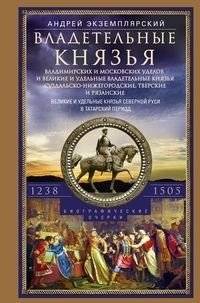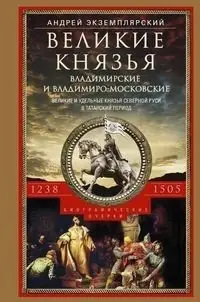
Великие князья Владимирские и Владимиро‑Московские. Великие и удельные князья Северной Руси в татарский период (1238‑1505) | Great Princes of Vladimir and Vladimir‑Moscow: Biographical Sketches of Northern Rus Princes in the Tatar Period, 1238‑1505
Обзор
Андрей Васильевич Экземплярский, русский историк, выпускник историко‑филологического факультета СПбГУ, представляет авторитетное исследование великих и удельных князей Северной Руси в татаро‑монгольский период (1238‑1505 гг.). В книге собраны биографии князей Владимирских и Владимиро‑Московских, основанные на первоисточниках и главных исторических пособиях. Описывается их политическая деятельность, дипломатические связи и культурные вклады в условиях монгольского ига. Издание предназначено для учёных и продвинутых читателей, желающих глубоко понять феодальную раздробленность Руси XIII‑XV вв.
Кому подойдёт
- Студенты и исследователи, изучающие средневековую историю России
- Учителя истории, готовящие материалы по татаро‑монгольскому периоду
- Любители биографических очерков о русских князьях
- Библиотекари, формирующие фонды по истории Восточной Европы
Ключевые особенности
- Автор: А. В. Экземплярский, российский историк, участник работы над энциклопедическим словарём Брокгауза и Евфрона
- Издание 2019 г., издательство Центрполиграф, 480 страниц, твердый переплёт
- Биографии великих и удельных князей Владимирских и Владимиро‑Московских в период 1238‑1505 гг.
- Собрано по первоисточникам и главным историческим пособиям
- Освещает политическую и культурную роль князей в татаро‑монгольском периоде
- ISBN 9785227078797, язык — русский
Overview
Andrey Vasilyevich Ekzemplyarsky, a Russian historian who graduated from the Historical‑Philological Faculty of St. Petersburg University, presents an authoritative study of the great and appanage princes of Northern Rus during the Tatar period (1238‑1505). The book offers detailed biographical sketches of the princes of Vladimir and Vladimir‑Moscow, drawing on primary documents and the most important historical compilations. It highlights their political activities, diplomatic relations, and cultural contributions under Mongol suzerainty. Designed for scholars and advanced readers, the volume provides a factual foundation for understanding the feudal fragmentation of Rus in the 13th–15th centuries.
Who it's for
- University students and scholars of Russian medieval history
- History teachers preparing material on the Tatar‑Mongol era
- Readers interested in biographical studies of Russian princes
- Librarians building collections on Eastern European history
Key features
- Author: A. V. Ekzemplyarsky, Russian historian and former contributor to the Brockhaus and Efron Encyclopedic Dictionary
- Published in 2019 by Centerpoligraph, 480 pages, hard cover
- Covers the lives of great and appanage princes of Vladimir and Vladimir‑Moscow from 1238 to 1505
- Based on primary sources and the most important historical compilations
- Provides biographical sketches that illuminate the political and cultural role of the princes during the Tatar‑Mongol domination
- ISBN 9785227078797, Russian language