 US: 2-4 weeks,
  Europe: 1-2 weeks, 🌍 Worldwide: 1-4 weeks ✈️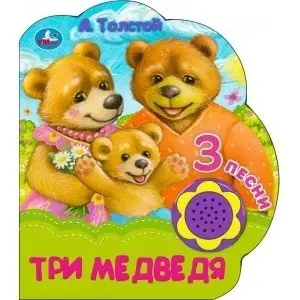
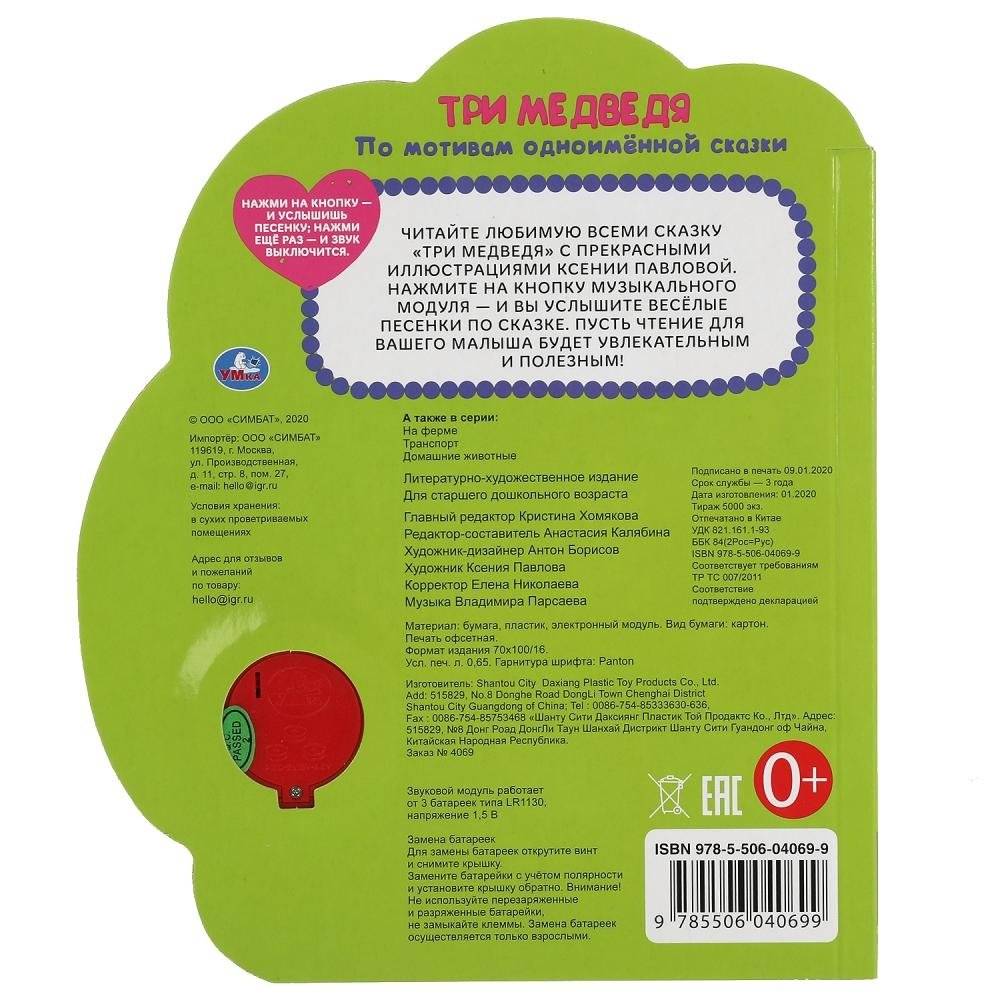
Три медведя (1 кнопка-ромашка, 3 песенки) | The Three Bears (Sound Book with 1 Daisy Button, 3 Songs)
By Толстой Алексей Николаевич
Три медведя (1 кнопка-ромашка, 3 песенки)
Обзор
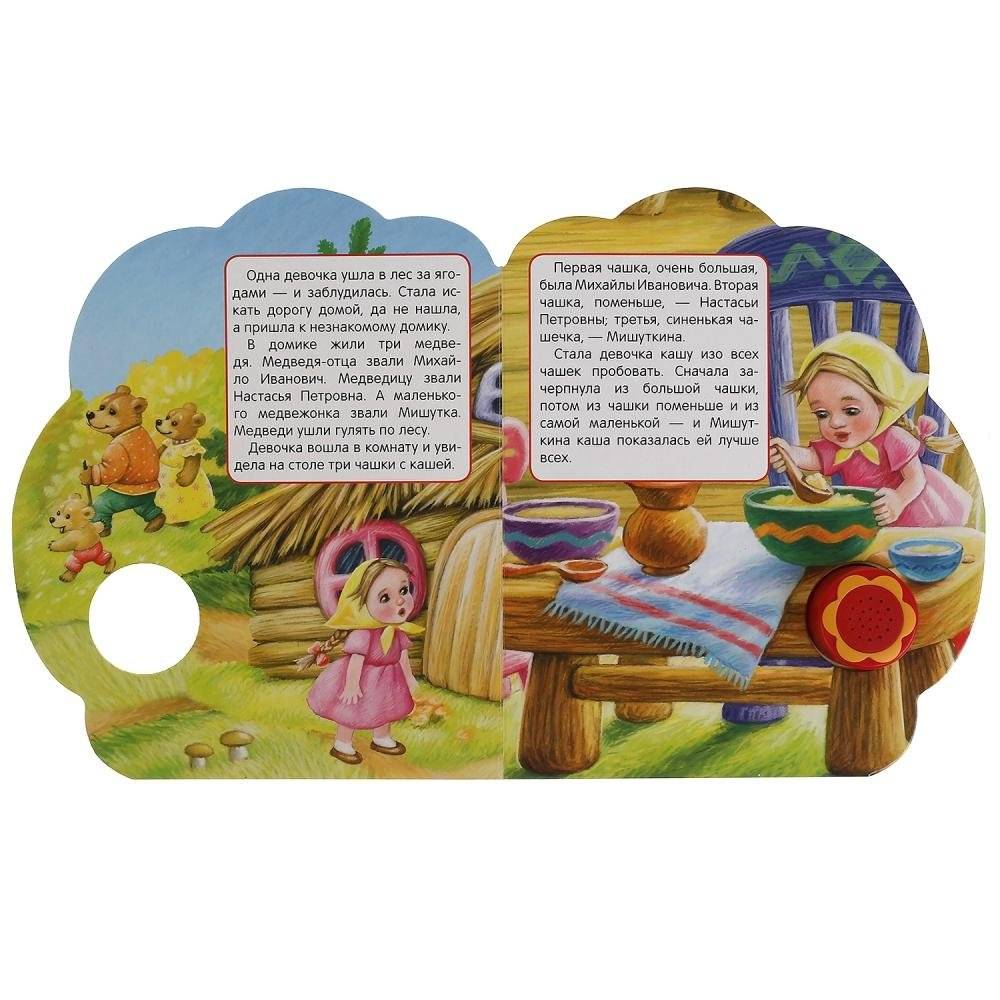
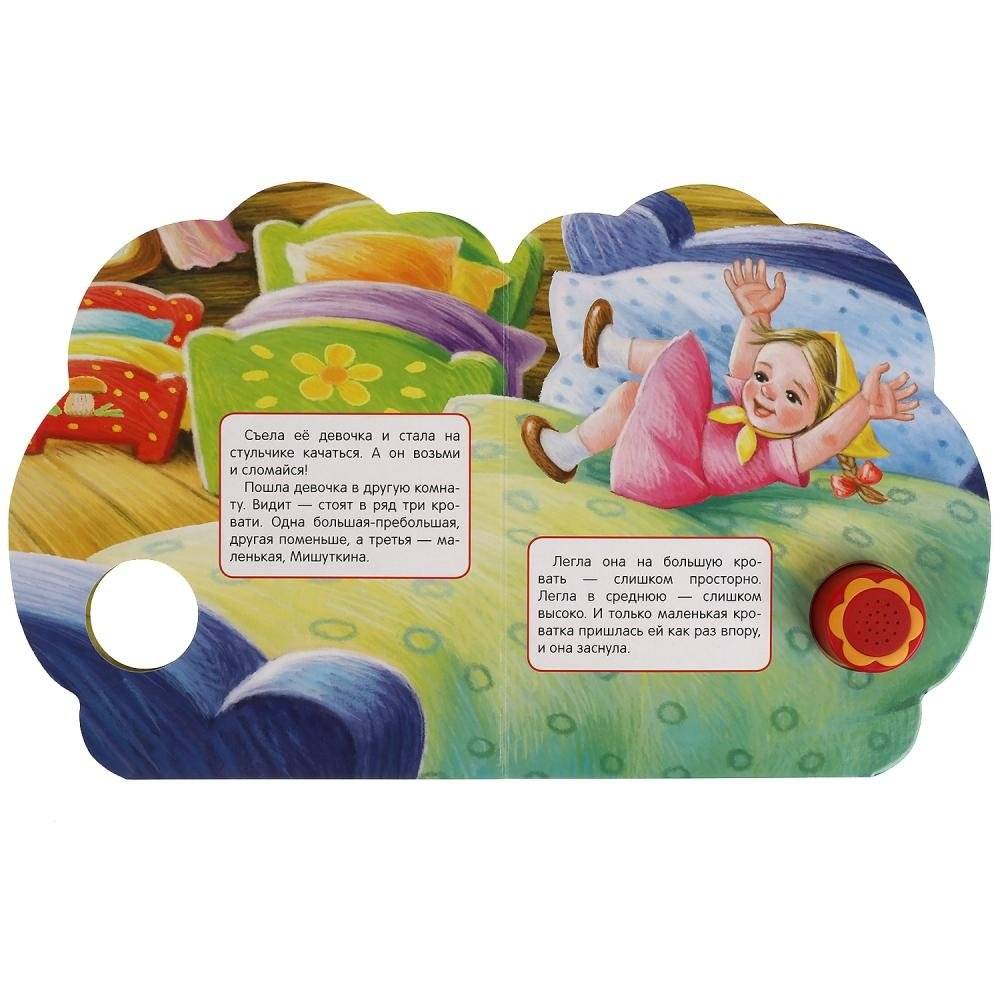
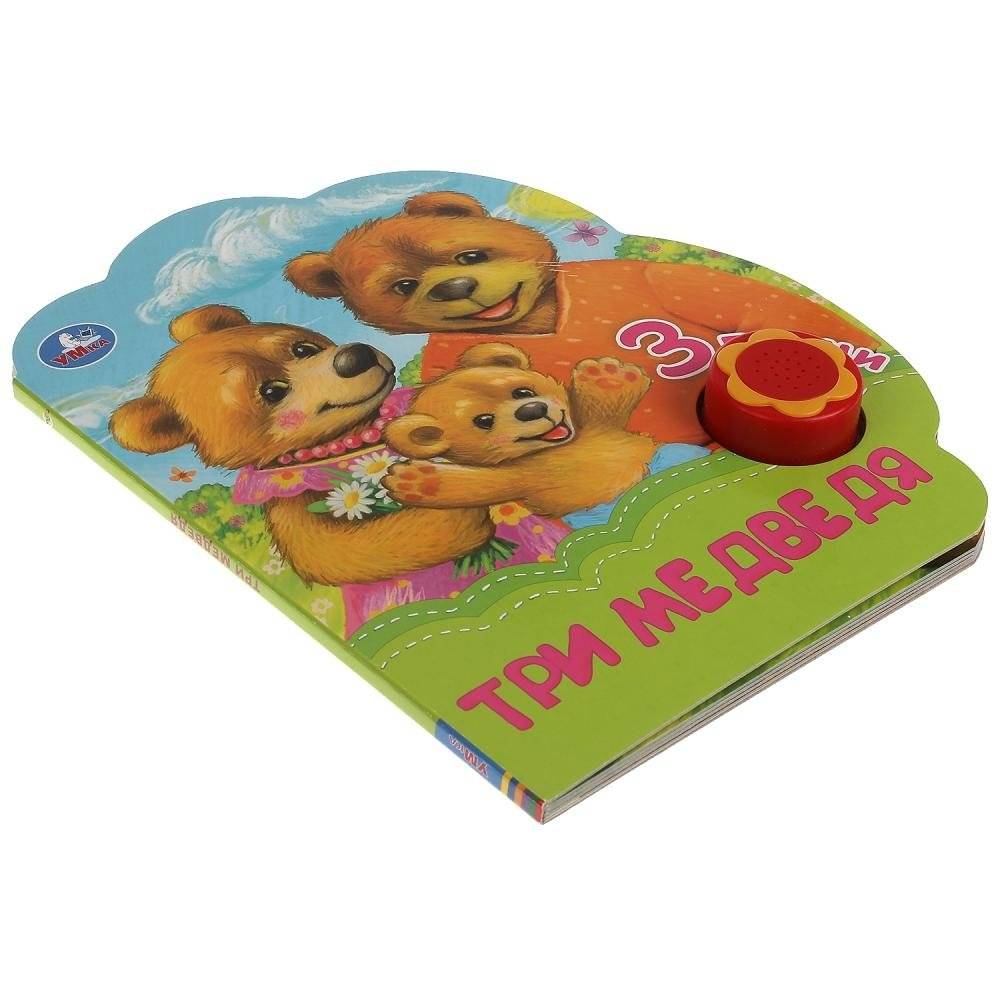
Эта интерактивная звуковая книга оживляет любимую русскую народную сказку «Три медведя» для самых маленьких читателей. Дети смогут погрузиться в историю о Машеньке, которая забрела в дом трех медведей, и узнают, что произойдет с ней дальше. Книга оснащена одной большой кнопкой в форме ромашки, при нажатии на которую звучат три веселые песенки, дополняющие повествование. Прочное издание в твердом переплете идеально подходит для многократного чтения и активных игр, способствуя развитию слуха и речи.
Кому подойдёт
- Малыши, начинающие знакомиться с миром книг и сказок.
- Родители и воспитатели, ищущие интерактивные книги для чтения вслух.
- Дети, которые любят слушать песенки и взаимодействовать с книгой.
- Поклонники классических сказок в новом, увлекательном формате.
- Семьи, ценящие качественные развивающие издания для детей.
Ключевые особенности
- Классическая русская народная сказка «Три медведя» в адаптированном формате.
- Интерактивная кнопка в форме ромашки для легкого управления звуком, воспроизводящая три веселые песенки.
- Прочный твердый переплет обеспечивает долговечность книги при активном использовании.
- Всего 8 страниц, идеально подходит для коротких чтений и удержания внимания малышей.
- Издано издательством «Умка» (ISBN: 978-5-50604069-9).
The Three Bears (Sound Book with 1 Daisy Button, 3 Songs)
Overview
This interactive sound book brings the beloved Russian folk tale, 'The Three Bears,' to life for the youngest readers. Children can immerse themselves in the classic story of Masha's unexpected visit to the bears' forest home and discover the adventures that unfold. Featuring a single, easy-to-press daisy-shaped button, the book plays three engaging songs that enhance the storytelling experience. Designed for durability, this hardcover edition from Umka publishing is perfect for repeated reading and interactive play, aiding in auditory and language development.
Who it's for
- Toddlers and preschoolers beginning their journey into the world of books and fairy tales.
- Parents and educators seeking engaging, interactive read-aloud experiences.
- Young children who enjoy listening to songs and interacting directly with their books.
- Fans of classic fairy tales presented in a fresh, captivating format.
- Families looking for high-quality, educational publications for early childhood development.
Key features
- Classic Russian folk tale 'The Three Bears' adapted for young children.
- Interactive daisy-shaped button for easy sound activation, playing three cheerful songs.
- Durable hardcover binding designed to withstand repeated handling and active play.
- Compact format with 8 pages, perfect for short attention spans and early reading sessions.
- Published by Umka (ISBN: 978-5-50604069-9).