 US: 2-4 weeks,
  Europe: 1-2 weeks, 🌍 Worldwide: 1-4 weeks ✈️
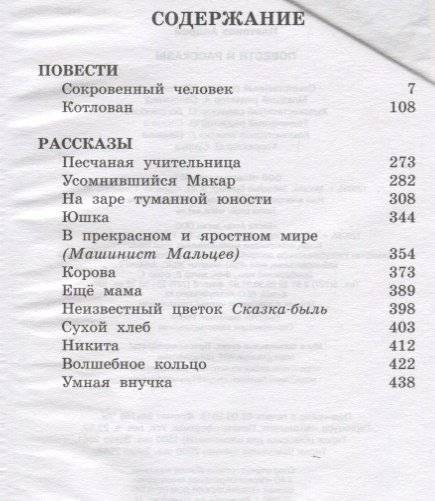
Повести и рассказы | Tales and Stories
By Платонов Андрей Петрович
Андрей Платонов: Глубина прозы, трагедия эпохи
Андрей Платонов: Мастер слова, летописец эпохи
Андрей Платонов (настоящее имя Андрей Платонович Климентов, 1899 – 1951) – выдающийся русский писатель, драматург и поэт, чье имя навсегда вписано в анналы отечественной литературы. Его жизнь, неразрывно связанная с бурями XX века, стала неиссякаемым источником вдохновения для его произведений.
Участник Гражданской войны в качестве фронтового корреспондента, а позже – военкор газеты «Красная звезда» в звании капитана во время Великой Отечественной войны, Платонов познал ужасы и лишения, которые легли в основу его богатейшего творческого наследия. Его проза – это неповторимый, уникальный язык, не имеющий аналогов в русской литературе, завораживающий своей силой и глубиной.
Ключевые произведения:
- «Сокровенный человек» (1927): Повесть, рисующая живописную и ужасающую картину Гражданской войны – горе, скитания, смерть и утрата человечности.
- «Котлован» (1930): Философская притча о поиске смысла жизни в эпоху тотальной разрухи, где главный герой, Вощев, в своей безуспешной попытке обрести истину, погружается в бессмысленную работу – рытье котлована.
- «Песчаная учительница» (1927): Трагическая история молодой учительницы, приехавшей в Среднюю Азию, где она сталкивается с безысходностью жизни местных жителей, порабощенных безжалостной силой природы.
- «В прекрасном и яростном мире» (1937): Рассказ о слепом машинисте Мальцеве, который, лишившись зрения, продолжает управлять поездом, демонстрируя невероятную силу воли и чутьё.
Сам Платонов о своих героях и о своем народе сказал: «Они жили полной и общей жизнью с природой и историей, – и история бежала в те годы как паровоз, таща за собой на подъём всемирный груз нищеты, отчаяния и смиренной косности».
Andrei Platonov: A Literary Genius of the Russian Revolution
Andrei Platonov: Chronicler of a Nation's Soul
Andrei Platonov (real name Andrei Platonovich Klimentov, 1899 – 1951) – a towering figure in Russian literature, a writer, playwright, and poet whose life was inextricably woven into the fabric of the 20th century. His experiences, shaped by the turbulent events of his time, fueled his extraordinary literary output.
A war correspondent during the Russian Civil War and later a captain and war correspondent for the newspaper "Red Star" during World War II, Platonov witnessed firsthand the horrors and deprivations that formed the bedrock of his powerful and evocative prose. His unique style, unparalleled in Russian literature, captivates with its intensity and philosophical depth.
Key Works:
- "The Fiery Angel" (1927): A harrowing depiction of the Russian Civil War, vividly portraying the suffering, displacement, and loss of humanity amidst the chaos.
- "The Foundation Pit" (1930): A philosophical allegory exploring the search for meaning in a world of utter devastation. The protagonist, Voshchev, becomes consumed by the futile task of digging a foundation pit in his desperate attempt to find answers to life's fundamental questions.
- "The Sand Teacher" (1927): A poignant story of a young teacher arriving in Central Asia, only to encounter the hopelessness of a community struggling against the relentless forces of nature and overwhelming poverty.
- "In a Beautiful and Terrible World" (1937): The tale of the blind locomotive engineer Maltsev, who, despite his loss of sight, continues to operate his train with astonishing skill and unwavering determination.
Platonov himself captured the essence of his characters and people in a single powerful statement: "They lived a full and shared life with nature and history – and history in those years raced like a locomotive, dragging an immense global burden of poverty, despair, and resigned inertia."