 US: 2-4 weeks,
  Europe: 1-2 weeks, 🌍 Worldwide: 1-4 weeks ✈️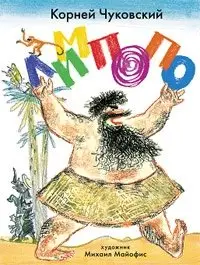


Лимпопо. Сказки | Limpopo. Fairy Tales
By Чуковский Корней Иванович
Лимпопо. Сказки
Корней Чуковский
Обзор
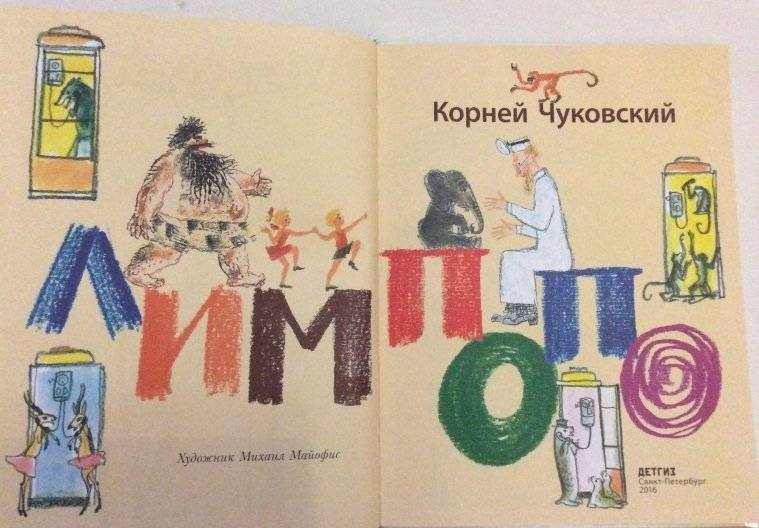
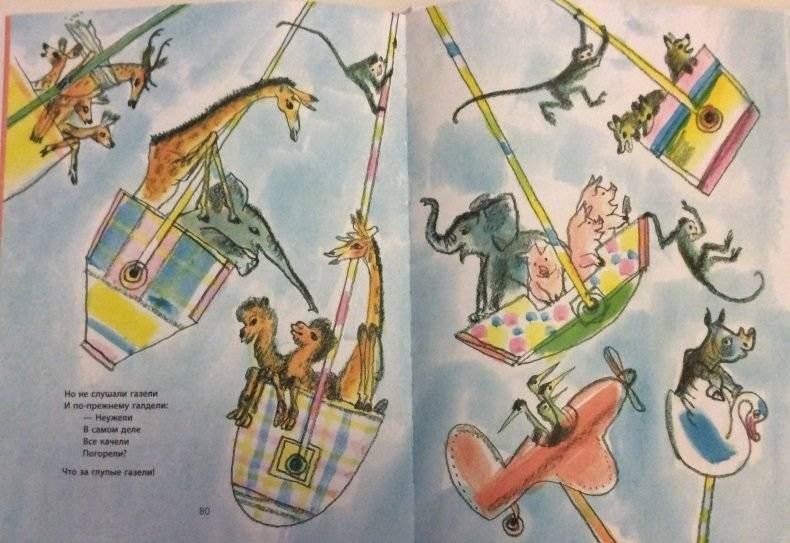
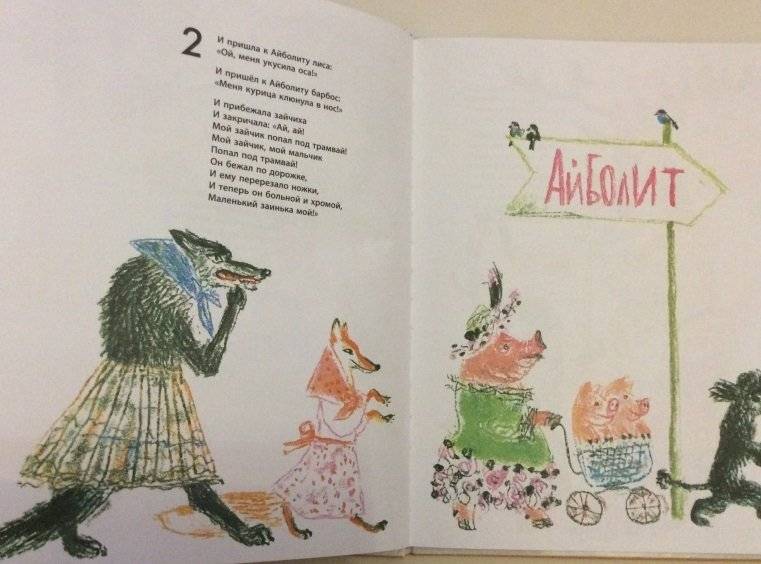
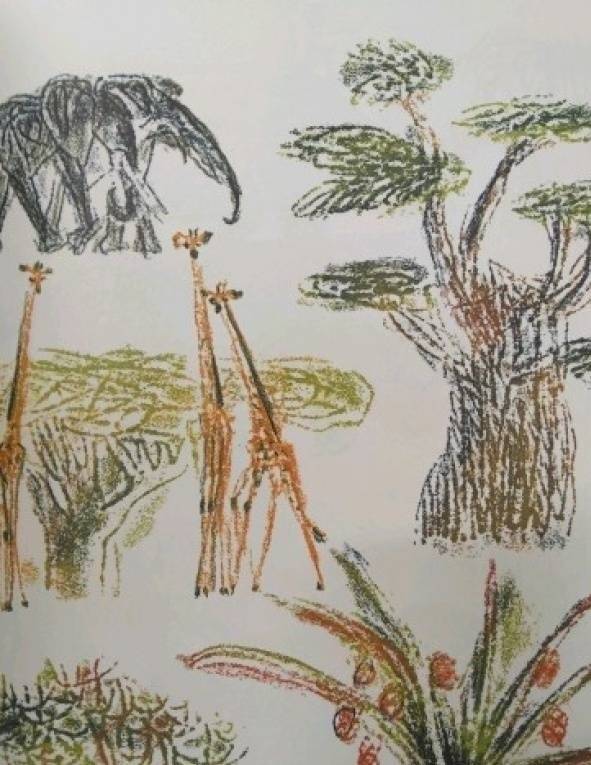
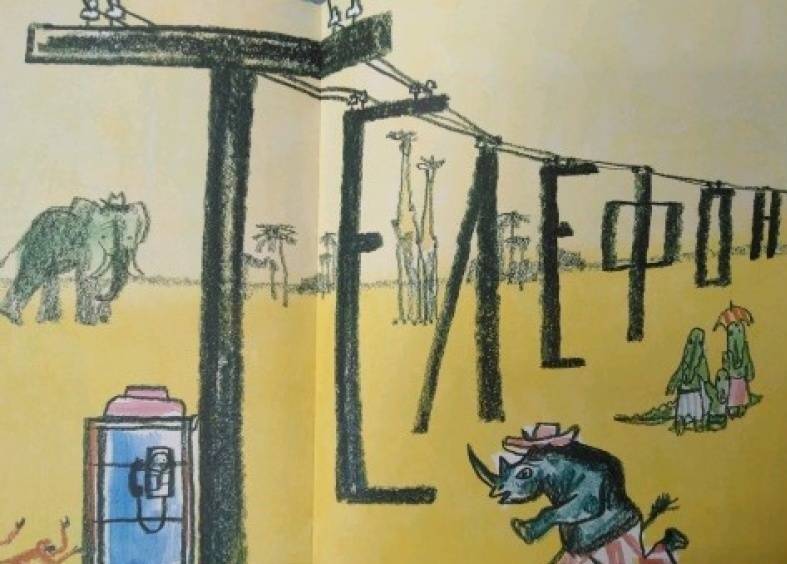
В книгу вошли три классические стихотворные сказки Корнея Чуковского: "Айболит", "Бармалей" и "Телефон", созданные в 1920-х годах. Название сборника "Лимпопо" изначально было авторским названием сказки о докторе Айболите, под которым она впервые была опубликована в 1929 году. Все три произведения объединены сказочно-географическим пространством Африки, представлявшей для детей того времени экзотическое и неизведанное место. Великолепные иллюстрации Михаила Майофиса исполнены выдумки, иронии и детского простодушия, гармонируя с текстами Чуковского.
Кому подойдёт
- Любителям классических русских детских сказок.
- Читателям, интересующимся творчеством Корнея Чуковского.
- Детям, которым нравятся ритмичные стихи и африканские мотивы.
Ключевые особенности
- Язык: Русский
- Тип обложки: твердый переплёт
- Количество страниц: 88
- Издательство: Детгиз
- Год издания: 2016
- ISBN: 9785845205087
Limpopo. Fairy Tales
Korney Chukovsky
Overview
This book includes three classic rhyming fairy tales by Korney Chukovsky: "Aibolit", "Barmaley", and "Telephone", created in the 1920s. The collection's title, "Limpopo", was originally the author's name for the tale about Doctor Aibolit, under which it was first published in 1929. All three works are united by the fairy-tale geography of Africa, which represented an exotic and unexplored place for children of that era. The magnificent illustrations by Mikhail Mayofis are filled with imagination, irony, and childlike simplicity, resonating with Chukovsky's texts.
Who it's for
- Fans of classic Russian children's fairy tales.
- Readers interested in the works of Korney Chukovsky.
- Children who enjoy rhythmic poems and African themes.
Key features
- Language: Russian
- Binding: Hardcover
- Pages: 88
- Publisher: Detgiz
- Publication Year: 2016
- ISBN: 9785845205087