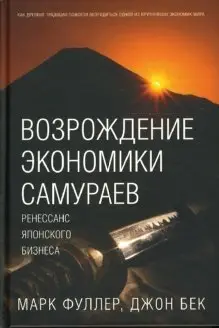


Возрождение экономики самураев | The Samurai Economy Revival
Обзор
Книга исследует экономические процессы, связанные с самурайским сословием в Японии. Рассматриваются различные факторы, формировавшие экономику того периода, включая социальные структуры и политические решения. Анализируется, как эти элементы взаимодействовали, приводя к периодам роста и упадка. Особое внимание уделяется механизмам, поддерживавшим экономическую систему, основанную на самурайском классе. Работа предлагает глубокое понимание экономических вызовов и возможностей, с которыми сталкивалось японское общество.
Кому подойдёт
- Интересующимся историей Японии
- Студентам, изучающим экономику и историю
- Исследователям социальных и экономических систем
Ключевые особенности
- Язык: Русский
- Страниц:
- Переплёт:
- ISBN:
- Издательство:
- Формат:
- Переводчик:
Overview
This book delves into the economic dynamics associated with the samurai class in Japan. It examines the various factors that shaped the economy of that period, including social structures and political decisions. The analysis explores how these elements interacted, leading to periods of both growth and decline. Particular attention is given to the mechanisms that sustained the economic system based on the samurai class. The work offers a deep understanding of the economic challenges and opportunities faced by Japanese society.
Who it's for
- Individuals interested in Japanese history
- Students of economics and history
- Researchers of social and economic systems
Key features
- Language: Russian
- Pages:
- Binding:
- ISBN:
- Publisher:
- Format:
- Translator: