 US: 2-4 weeks,
  Europe: 1-2 weeks, 🌍 Worldwide: 1-4 weeks ✈️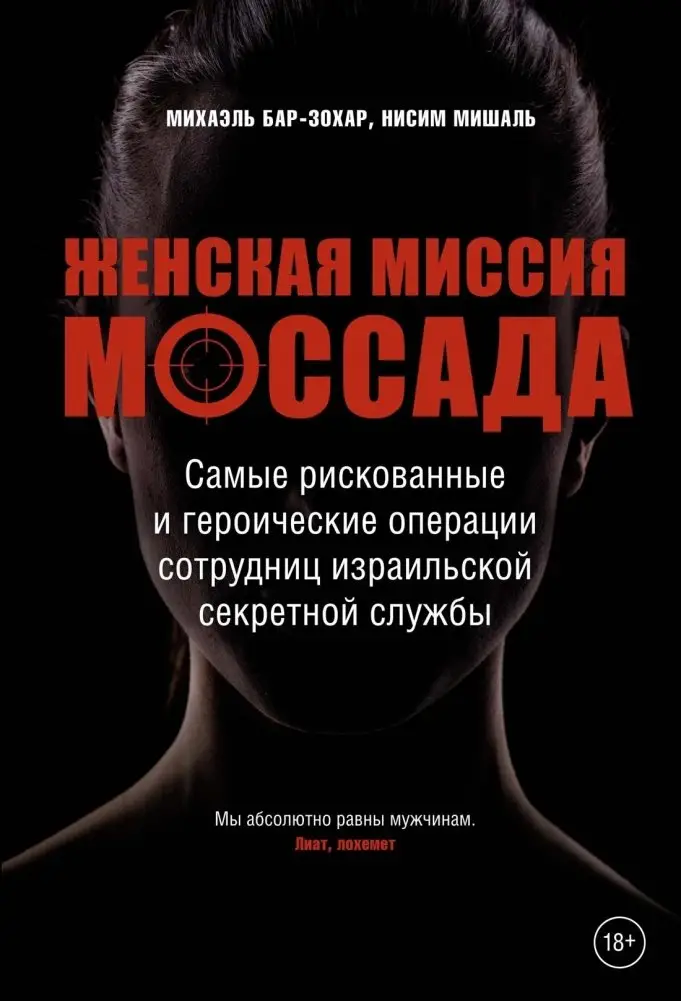
Женская миссия Моссада. Самые рискованные и героические операции сотрудниц израильской секретной службы | Mossad's Women's Mission: The Most Risky and Heroic Operations of Israeli Secret Service Employees
By Бар-Зохар Михаэль , …
Женская миссия Моссада. Самые рискованные и героические операции сотрудниц израильской секретной службы
Михаэль Бар-Зохар, Нисим Мишаль, 2024
Обзор
Эта книга исследует роль женщин в израильской разведке, освещая их смелость и самоотверженность. Многие сотрудницы Моссада участвовали в опасных миссиях, часто планируя их самостоятельно. Они были оперативниками или занимали другие важные должности, внося неоценимый вклад в работу спецслужб. Их выбор часто сопровождался личными жертвами, включая одиночество и отказ от семейной жизни ради призвания. Книга основана на обширных материалах, включая документы, интервью и секретные источники, отделяя факты от мифов.
Кому подойдёт
- Читателям, интересующимся историей спецслужб.
- Тем, кто увлекается историей Израиля.
- Любителям историй о сильных женщинах и их вкладе в важные события.
- Исследователям деятельности Моссада.
Ключевые особенности
- Язык: русский
- Количество страниц: 400
- Тип обложки: твердая обложка
- Издательство: Азбука
- Серия: Исторический интерес
- Год издания: 2024
- ISBN: 9785389248304
Mossad's Women's Mission: The Most Risky and Heroic Operations of Israeli Secret Service Employees
Michael Bar-Zohar, Nissim Mishal, 2024
Overview
This book explores the role of women in Israeli intelligence, highlighting their courage and dedication. Many Mossad employees participated in dangerous missions, often planning them independently. They served as operatives or held other crucial positions, making invaluable contributions to the secret service's work. Their choices often came with personal sacrifices, including loneliness and foregoing family life for their calling. The book draws on extensive materials, including documents, interviews, and classified sources, separating fact from myth.
Who it's for
- Readers interested in the history of intelligence agencies.
- Those fascinated by the history of Israel.
- Fans of stories about strong women and their contributions to significant events.
- Researchers of Mossad's activities.
Key features
- Language: Russian
- Pages: 400
- Binding: Hardcover
- Publisher: Azbuka
- Series: Historical Interest
- Year: 2024
- ISBN: 9785389248304