 US: 2-4 weeks,
  Europe: 1-2 weeks, 🌍 Worldwide: 1-4 weeks ✈️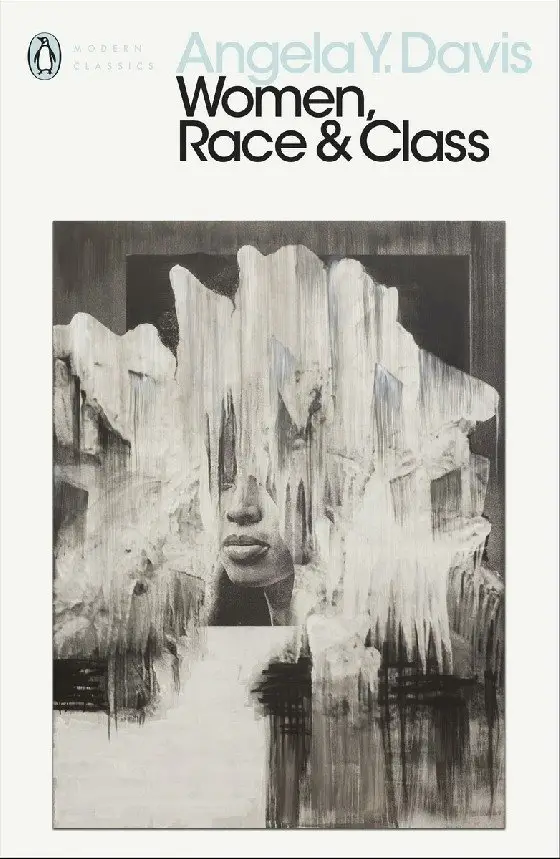
Женщины, раса и класс | Women, Race, and Class
By Angela Y. Davis
Женщины, раса и класс
Angela Y. Davis, 2019
Обзор
В книге «Женщины, раса и класс» Анджела Дэвис исследует переплетение расового, гендерного и классового неравенства на протяжении истории, начиная с эпохи рабства и до современных проявлений несправедливости. Дэвис предлагает альтернативный взгляд на борьбу женщин за освобождение, анализируя исторические корни и современные последствия угнетения. Книга прослеживает взаимосвязь аболиционистского движения и движения за избирательное право женщин, выявляя проявления расизма и классовых предрассудков, присущих белому феминизму. Автор представляет читателю забытых героинь, от рабынь на плантациях до работниц фабрик, которые оказывали сопротивление и боролись за свои права.
Дэвис анализирует, как различные формы угнетения влияют на жизнь женщин, и как эти формы пересекаются, создавая уникальные проблемы для женщин разных рас и классов. Она рассматривает исторические примеры, чтобы показать, как расизм и классовые предрассудки формировали движение за права женщин, и как эти предрассудки продолжают влиять на современное общество. Книга призывает к более инклюзивному и справедливому феминизму, который учитывает интересы всех женщин, независимо от их расы, класса или гендерной идентичности.
Кому подойдёт
- Читателям, интересующимся историей феминизма и социальной справедливости.
- Студентам, изучающим гендерные исследования, социологию и историю.
- Тем, кто хочет понять взаимосвязь расы, класса и гендера в контексте борьбы за освобождение.
- Активным участникам движений за социальные изменения и равенство.
- Всем, кто стремится к более инклюзивному и справедливому обществу.
Ключевые особенности
- Автор: Angela Y. Davis.
- Язык: Английский.
- Издательство: Penguin Group.
- Год издания: 2019.
- Количество страниц: 256.
- Тип обложки: мягкая обложка.
- Размеры: 198x129x15 мм.
- ISBN: 9780241408407.
Women, Race, and Class
Angela Y. Davis, 2019
Overview
In "Women, Race, and Class," Angela Davis delivers a powerful analysis of the interwoven histories of racial, gender, and class inequality from the era of slavery to contemporary injustices. This groundbreaking work provides an alternative perspective on women's struggles for liberation, meticulously tracing the complex relationships between the abolitionist and women's suffrage movements. Davis highlights the inherent racism and class prejudice within segments of white feminism, shedding light on pioneering heroines, from enslaved field workers to mill laborers, who resisted and fought against the circumstances of their birth.
Davis examines how various forms of oppression uniquely impact women's lives, illustrating the intersectionality that creates distinct challenges for women across different races and classes. By exploring historical examples, she reveals how racism and class biases have shaped the women's rights movement and continue to influence modern society. The book advocates for a more inclusive and equitable feminism that acknowledges and addresses the needs of all women, regardless of their racial, class, or gender identity. It serves as a critical resource for understanding the historical context of contemporary social justice issues and promoting a more unified approach to liberation.
Who it's for
- Students of gender studies, sociology, and history.
- Readers interested in the history of feminism and social justice movements.
- Activists and advocates for social change and equality.
- Individuals seeking to understand the intersections of race, class, and gender.
- Those interested in a more inclusive and equitable approach to feminism.
Key features
- Written by Angela Y. Davis.
- Published by Penguin Group.
- Published in 2019.
- Consists of 256 pages.
- Language: English.
- Paperback binding.
- ISBN: 9780241408407.