 US: 2-4 weeks,
  Europe: 1-2 weeks, 🌍 Worldwide: 1-4 weeks ✈️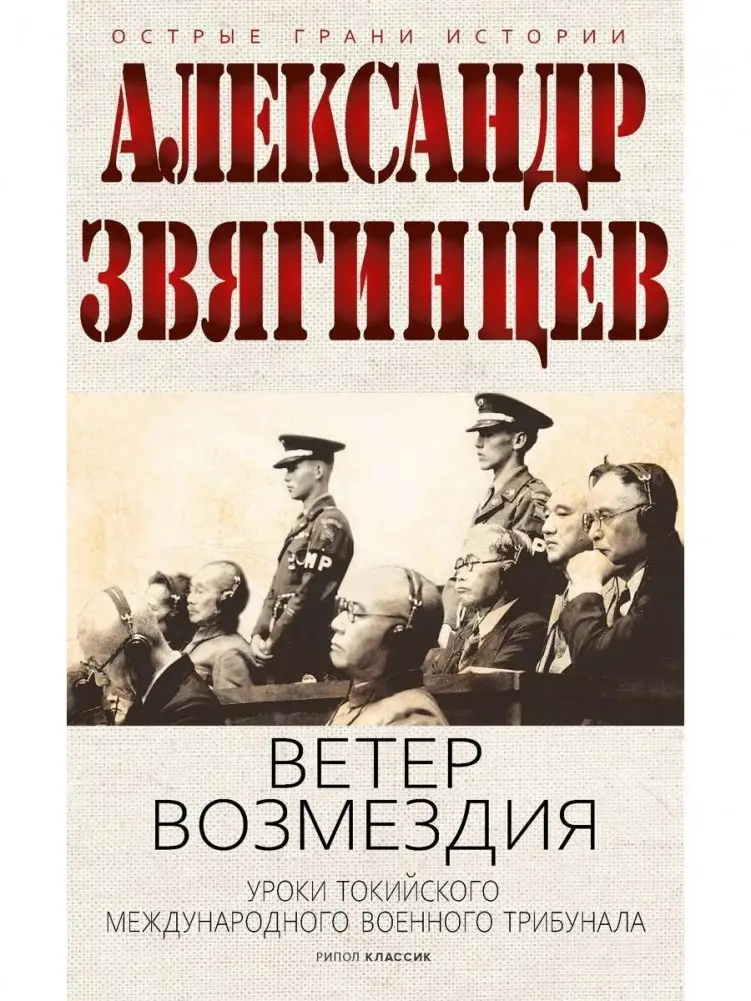
Ветер Возмездия. Токийский Международный военный Трибунал в истории цивилизации | The Trial of Vengeance: The Tokyo International Military Tribunal in the History of Civilization
By Звягинцев Александр Григорьевич
Ветер Возмездия. Токийский Международный военный Трибунал в истории цивилизации
Обзор
Токийский процесс (1946-1948 гг.) стал окончательной победной точкой Второй мировой войны, унесшей жизни более 50 миллионов человек. Сразу после Нюрнбергского «Суда народов» над главными нацистскими преступниками, Токийский трибунал приговорил зачинщиков агрессивных войн, целью которых было завоевание мирового господства, порабощение мирных народов и утверждение права «сильных и избранных» не соблюдать никаких правил и моральных норм в отношении «низших» рас. Международный трибунал в Токио над японскими военными преступниками, совершившими чудовищные преступления против мира и человечества, стал веским доказательством того, что направленная против мирного населения агрессия и террор не должны и не могут оставаться безнаказанными.
Кому подойдёт
- Студенты и исследователи истории
- Читатели, интересующиеся Второй мировой войной и её последствиями
- Любители истории и академическая аудитория
- Интересующиеся международным правом и преступлениями войны
Ключевые особенности
- Серия «Острые грани истории»
- Издательство РИПОЛ Классик
- Твёрдая обложка
- 416 страниц
- Рекомендовано для читателей 16+
- Рассматривает Токийский международный военный трибунал
The Trial of Vengeance: The Tokyo International Military Tribunal in the History of Civilization
Overview
The Tokyo Trial (1946-1948) marked the final, victorious conclusion to World War II, which claimed the lives of over 50 million people. As the first major international tribunal following the Nuremberg Trials, it brought an end to the war by sentencing the architects of aggressive wars aimed at global domination, the subjugation of peaceful peoples, and the assertion of the 'right' of the 'strong and chosen' to ignore all rules and moral standards toward 'inferior' races. The Tokyo International Tribunal, which judged Japanese war criminals who committed monstrous crimes against peace and humanity, served as a clear demonstration that aggression and terror directed at civilian populations must and can no longer go unpunished.
Who it's for
- Students and researchers of history
- Readers interested in World War II and its aftermath
- Those studying international law and war crimes
- History enthusiasts and academic audiences
Key features
- Part of the 'Sharp Edges of History' series
- Published by RIPOL Classic
- Hardcover edition
- 416 pages
- Targeted at readers aged 16 and above
- Examines the Tokyo International Military Tribunal