 US: 2-4 weeks,
  Europe: 1-2 weeks, 🌍 Worldwide: 1-4 weeks ✈️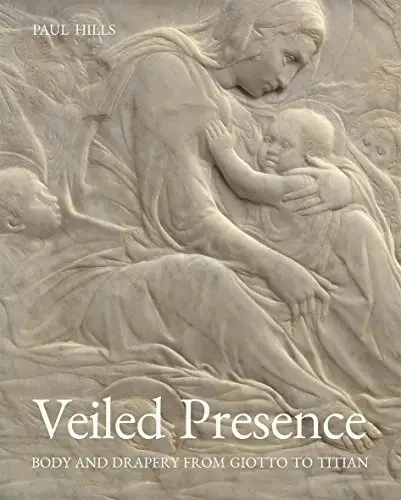
Veiled Presence: Body and Drapery from Giotto to Titian
By Hills Paul
Veiled Presence: Body and Drapery from Giotto to Titian
Paul Hills, 2018
Overview
This book examines the symbolic use of veils and the significant role of drapery in Italian art, spanning the period from Giotto to Titian. In Renaissance cities, the display of luxurious clothing signified social status, with Florentines using textiles for public rituals. Beyond material wealth, cloths also carry metaphorical weight, evoking associations with birth and death through elements like curtains, veils, swaddling, and shrouds. The study delves into the sculptural works of Ghiberti and Donatello, analyzing their dramatic use of drapery, before shifting to the paintings of Bellini, Lotto, and Titian, where fabric both clothes figures and structures the composition. Titian's work exemplifies how the veiled body is absorbed into the painted material, merging medium and subject.
Who it's for
- Students and scholars of Italian Renaissance art history.
- Readers interested in the symbolism of clothing and textiles in art.
- Those who appreciate detailed analysis of painting and sculpture techniques.
Key features
- Hardcover binding.
- Published by Yale University Press.
- 224 pages.
- ISBN: 9780300236750.
- Dimensions: 223x274 mm.
- Weight: 880 gr.