 US: 2-4 weeks,
  Europe: 1-2 weeks, 🌍 Worldwide: 1-4 weeks ✈️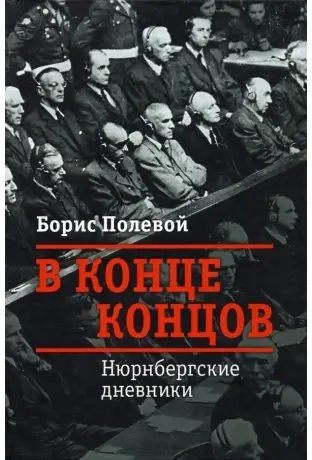
В конце концов. Нюнрбергские дневники | In the End: Nuremberg Diaries
By Полевой Борис Николаевич
В конце концов. Нюнрбергские дневники
Обзор
Борис Николаевич Полевой (1908‑1981), известный советский писатель и корреспондент, собрал свои репортажи о Нюрнбергском процессе в этой книге. В качестве спецкорреспондента газеты «Правда» он освещал суд над главными нацистскими военными преступниками, фиксируя атмосферу работы Международного трибунала. В книге представлены выразительные портреты судей, подсудимых и коллег‑корреспондентов, находившихся рядом с ним в Нюрнберге. Полевой размышляет об антигуманной сущности нацизма, показывая зло, принесённое человечеству, и закономерность возмездия, настигшего его творцов.
Кому подойдёт
- Любители истории Второй мировой войны и Нюрнбергского процесса
- Студенты и исследователи журналистики, права и политических наук
- Читатели документальной литературы и репортажей с места событий
Ключевые особенности
- Автор: Полевой Борис Николаевич, известный советский писатель и корреспондент
- Издание 2021 года, издательство «Книжный Клуб 36.6», 304 страницы, твердый переплёт
- Собранные репортажи о Нюрнбергском процессе, написанные для газеты «Правда»
- Подробные портреты членов Международного трибунала, подсудимых и коллег‑корреспондентов
- Размышления о антигуманной сущности нацизма и закономерности возмездия
In the End: Nuremberg Diaries
Overview
Boris Nikolaevich Polevoi (1908‑1981), celebrated Soviet novelist and frontline correspondent, compiled his eyewitness reports from the Nuremberg Trials into this volume. As a special correspondent for Pravda, he covered the prosecution of the main Nazi war criminals and recorded the atmosphere inside the International Tribunal. The book offers striking portraits of judges, defendants and fellow journalists who worked alongside him in Nuremberg. Polevoi reflects on the inhuman essence of Nazism, exposing the evil it inflicted on humanity and the inevitable retribution that followed its architects.
Who it's for
- Readers interested in World War II history and the Nuremberg Trials
- Students and scholars of journalism, law, and political science
- Fans of documentary literature and first‑hand war correspondence
Key features
- Author: Boris Nikolaevich Polevoi, noted Soviet writer and war correspondent
- Published 2021 by Knizhny Klub 36.6, 304 pages, hard cover
- Contains original reports from the Nuremberg Trials written for the newspaper Pravda
- Provides vivid portraits of International Tribunal judges, defendants and fellow journalists
- Analyzes the inhuman nature of Nazism and the moral law of retribution