 US: 2-4 weeks,
  Europe: 1-2 weeks, 🌍 Worldwide: 1-4 weeks ✈️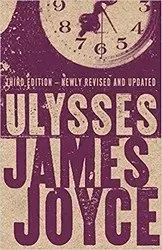
Улисс | Ulysses
By Джойс Джеймс
Ulysses
Джойс Джеймс, 2017, Alma Classics
Overview
James Joyce's Ulysses remains a cornerstone of 20th-century modernist literature, celebrated for its innovative narrative techniques and profound exploration of the human condition. Set on a single day, June 16, 1904, the novel intricately weaves together the lives of Leopold Bloom, Stephen Dedalus, and Molly Bloom in Dublin. Through their interwoven experiences, thoughts, and encounters, Joyce crafts a rich tapestry of everyday life, elevating the ordinary to the extraordinary.
Ulysses is not merely a novel; it is a literary experiment that challenges conventional narrative structures. Joyce employs stream-of-consciousness, literary allusions, and colloquial realism to capture the complexities of human thought and emotion. This edition, based on the 1939 Odyssey Press version, is considered the most accurate text published during Joyce's lifetime, ensuring an authentic reading experience. The inclusion of over 9,000 notes by Joyce scholars Sam Slote, Marc A. Mamigonian, and John Turner provides invaluable context and insight, enhancing the reader's understanding of this complex and rewarding work.
Who it's for
- Readers interested in modernist literature and experimental novels.
- Students and scholars studying James Joyce and his works.
- Those fascinated by Dublin's history and culture in the early 20th century.
- Anyone seeking a challenging and rewarding literary experience.
- Readers who appreciate complex characters and intricate narratives.
Key features
- Authored by James Joyce.
- Published by Alma/Oneworld in 2017.
- Part of the Alma Classics series.
- Features a softcover binding.
- Includes 832 pages.
- Written in English.
- ISBN: 9781847497765.
- Dimensions: 198x128 mm.
- Includes over 9,000 notes by Joyce scholars.