 US: 2-4 weeks,
  Europe: 1-2 weeks, 🌍 Worldwide: 1-4 weeks ✈️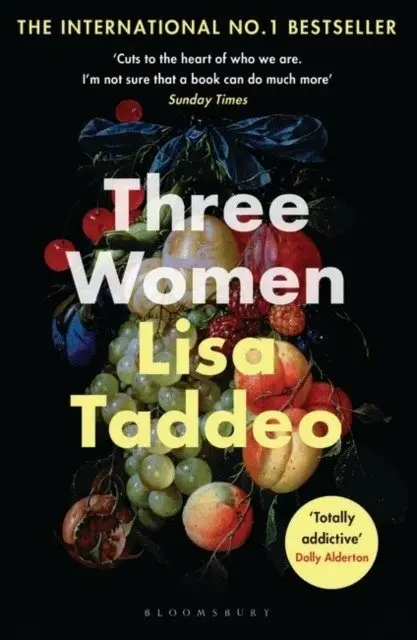
Три женщины | Three Women
By Таддео Лиза
Три женщины
Обзор
Три женщины — это история о трёх судьбах, каждая из которых заперта в собственном кризисе. Лина мечтала быть желанной, но оказалась в браке с двумя детьми и мужем, который её игнорирует. Магги хотела быть понята, однако её связь с учителем привела к суду и сделала её изгоем в маленьком городке. Слоун жаждала восхищения, но превратилась в сексуальный объект для мужчин, в том числе для мужа, который наслаждался её связями с другими. Книга исследует желания, предательство и поиск собственного «я» в условиях подавляющих отношений.
Кому подойдёт
- Взрослые читатели, интересующиеся современной психологической драмой
- Любители литературной прозы с глубокими персонажами
- Те, кто ищет произведения о желаниях, власти и поиске идентичности
Ключевые особенности
- Автор: Таддео Лиза
- Издательство: Bloomsbury Publishing, 2020 год
- 416 страниц, мягкая обложка
- ISBN‑13: 9781526611642
- Оригинальный язык: английский
Three Women
Overview
Three Women follows the intertwined lives of Lina, Maggie and Sloane, each trapped by a different personal tragedy. Lina longs to be desired but finds herself in a loveless marriage with two children and a distant husband. Maggie seeks understanding, yet becomes entangled with her teacher, leading to a courtroom scandal that ostracizes her in her hometown. Sloane craves admiration, only to become a sexual object for men, including a husband who enjoys watching her with others. The novel explores themes of desire, betrayal, and the search for identity within oppressive relationships.
Who it's for
- Adult readers interested in contemporary psychological drama
- Fans of character‑driven literary fiction
- Readers exploring themes of desire, power, and identity
Key features
- Author: Taddeo Liza
- Published by Bloomsbury Publishing in 2020
- 416 pages, softcover
- ISBN‑13: 9781526611642
- Original language: English