 US: 2-4 weeks,
  Europe: 1-2 weeks, 🌍 Worldwide: 1-4 weeks ✈️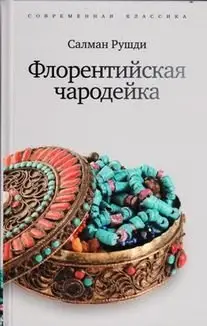
Флорентийская чародейка | The Enchantress of Florence
By Рушди Салман
Флорентийская чародейка
Салман Рушди - Современная классика (2014)
Обзор
Эта книга охватывает историю мира и отдельной личности, где невероятное может стать реальностью. Свет прошлого, направленный под правильным углом, способен пролить свет на настоящее. События разворачиваются на фоне Империи Великих Моголов и правления могущественного Акбара, а также во Флоренции XVI века, среди ее философов, художников, воителей и куртизанок. Блистательный ум эпохи, Никколо Макиавелли, и великие географические открытия сплетаются в богатую мозаику.
Кому подойдёт
- Любителям исторических романов с элементами мистики.
- Читателям, интересующимся эпохой Возрождения и Империей Великих Моголов.
- Тем, кто ценит многослойные сюжеты и глубокое исследование человеческой природы.
Ключевые особенности
- Язык: Русский
- Страниц: 414
- Издательство: Бертельсманн Медиа Москау (БММ)
- Серия: Современная классика
- Год издания: 2014
- ISBN: 9785367028355
The Enchantress of Florence
Salman Rushdie - Modern Classics (2014)
Overview
This narrative encompasses the history of the world and the individual, where the extraordinary can become reality. The light of the past, when viewed from the right perspective, can illuminate the present. The story unfolds against the backdrop of the Mughal Empire and the reign of the powerful Akbar, as well as in 16th-century Florence, amidst its philosophers, artists, warriors, and courtesans. The brilliant mind of the era, Niccolò Machiavelli, and great geographical discoveries intertwine to form a rich mosaic.
Who it's for
- Readers of historical novels with mystical elements.
- Those interested in the Renaissance and the Mughal Empire.
- Individuals who appreciate complex plots and profound explorations of human nature.
Key features
- Language: Russian
- Pages: 414
- Publisher: Bertelsmann Media Moscow (BMM)
- Series: Modern Classics
- Publication Year: 2014
- ISBN: 9785367028355