 US: 2-4 weeks,
  Europe: 1-2 weeks, 🌍 Worldwide: 1-4 weeks ✈️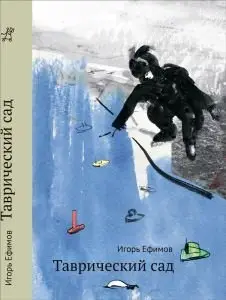
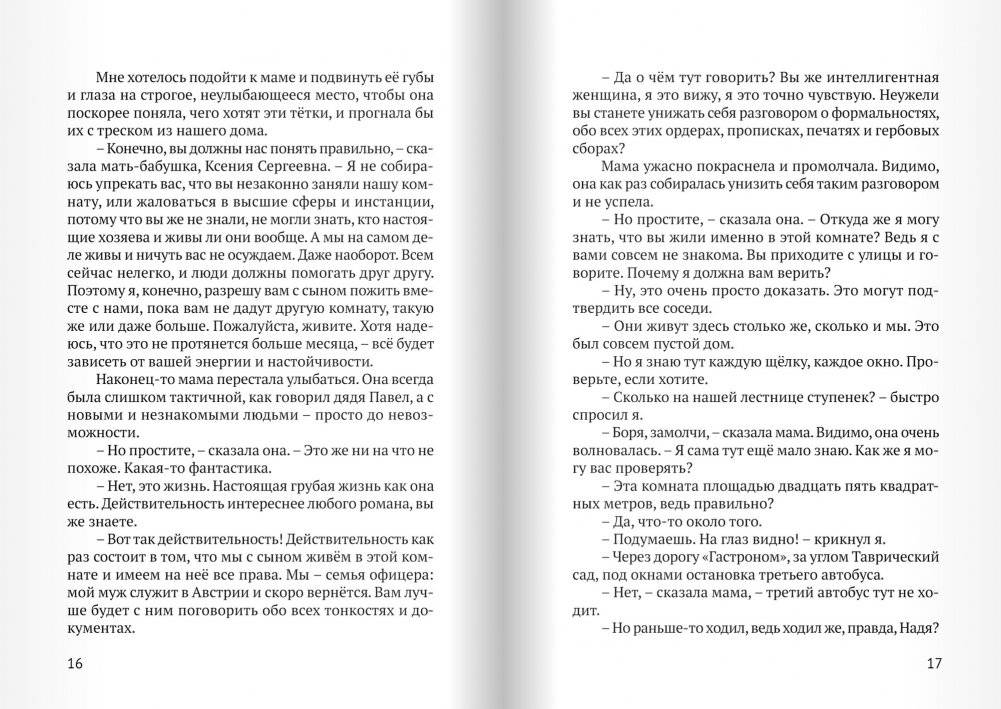
Таврический сад | Tavrichesky Garden
By Ефимов Игорь Маркович
Таврический сад
Ефимов Игорь Маркович2015Серия «Родная речь»
Обзор
Действие повести Игоря Ефимова происходит в 1946 году в Ленинграде. Город только ещё оживает после блокады и бомбёжек; взрослые как могут восстанавливают нормальную жизнь, а дети — играют, учатся, растут и взрослеют. Пленные немцы, возвращение эвакуированных в свои квартиры, кладбище военной техники для них — самые обычные явления в жизни. Покупка спортивного костюма — событие, а попасть в шайку-банду местного хулигана Смарыги — заветная мечта. «Таврический сад» — одно из первых произведений Ефимова, выходившее в издательстве «Детская литература».
Кому подойдёт
- Тем, кто интересуется историей Ленинграда после войны.
- Читателям, любящим произведения о детстве и взрослении.
Ключевые особенности
- Язык: Русский
- Страниц: 160
- Издательство: Самокат
- Серия: Родная речь
- Год: 2015
Tavrichesky Garden
Igor Efimov2015Series «Native Speech»
Overview
Igor Efimov's story takes place in Leningrad in 1946. The city is just coming back to life after the blockade and bombing; adults are restoring normal life as best they can, and children play, study, grow and mature. Captured Germans, the return of evacuees to their apartments, a cemetery of military equipment are ordinary phenomena in their lives. Buying a sports suit is an event. "Tavrichesky Garden" is one of Efimov's first works, published by Children's Literature Publishing House.
Who it's for
- Those interested in the history of Leningrad after the war.
- Readers who love stories about childhood and growing up.
Key features
- Language: Russian
- Pages: 160
- Publisher: Samokat
- Series: Native Speech
- Year: 2015