 US: 2-4 weeks,
  Europe: 1-2 weeks, 🌍 Worldwide: 1-4 weeks ✈️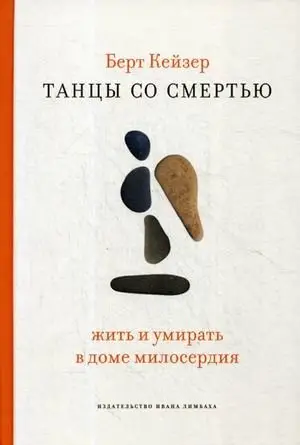
Танцы со Смертью. Жить и умирать в доме милосердия | Dancing with Death: Living and Dying in a Nursing Home
By Кейзер Берт
Танцы со Смертью. Жить и умирать в доме милосердия
Берт Кейзер
Обзор
Этот дневник нидерландского врача-геронтолога Берта Кейзера прослеживает последние этапы жизни пациентов дома милосердия, который объединяет клинику, дом престарелых и хоспис. Пронзительный реализм погружает читателя в происходящее, превращая судьбы людей в мозаику глубоких художественных образов. Книга раскрывает подвиг врача, поддерживающего неизлечимо больных, которые иногда выбирают добровольный уход из жизни. Рассуждения о жизни, смерти, любви и человеческом достоинстве обрамлены отсылками к культуре.
Кому подойдёт
- Читателям, интересующимся экзистенциальными вопросами жизни и смерти.
- Тем, кто ценит откровенные и реалистичные повествования.
- Людям, ищущим глубокие размышления о человеческом достоинстве и вере.
Ключевые особенности
- Язык: Русский
- Тип обложки: твердый переплет
- Год издания: 2017
- Количество страниц: 432
- Издательство: Лимбах Иван
- ISBN: 9785890593061
Dancing with Death: Living and Dying in a Nursing Home
Bert Keizer
Overview
This striking diary by Dutch gerontologist, philosopher, and writer Bert Keizer chronicles the final stages of life for patients in a nursing home that combines a clinic, retirement home, and hospice. Its piercing realism immerses the reader in the events, weaving together individual destinies into a mosaic of vivid, profound artistic images. The book compellingly reveals the physical and spiritual dedication of a physician who stands by those suffering, offering emotional support to the terminally ill, some of whom choose voluntary euthanasia. Vast cultural references—writers, philosophers, artists, musicians, poets from antiquity to the present—frame brilliant reflections on life and death, love, human dignity, faith, and doubt, filled with sharp sarcasm, poignant lyricism, humor, and bitter irony.
Who it's for
- Readers interested in existential questions about life and death.
- Those who appreciate candid and realistic narratives.
- Individuals seeking profound reflections on human dignity and faith.
Key features
- Language: Russian
- Binding: Hardcover
- Year: 2017
- Pages: 432
- Publisher: Limbakh Ivan
- ISBN: 9785890593061