 US: 2-4 weeks,
  Europe: 1-2 weeks, 🌍 Worldwide: 1-4 weeks ✈️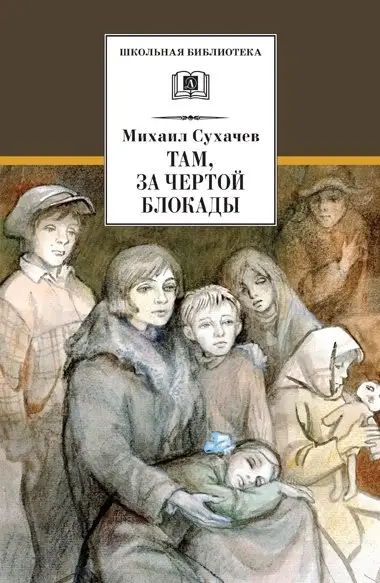
Там, за чертой блокады | Beyond the Siege Line
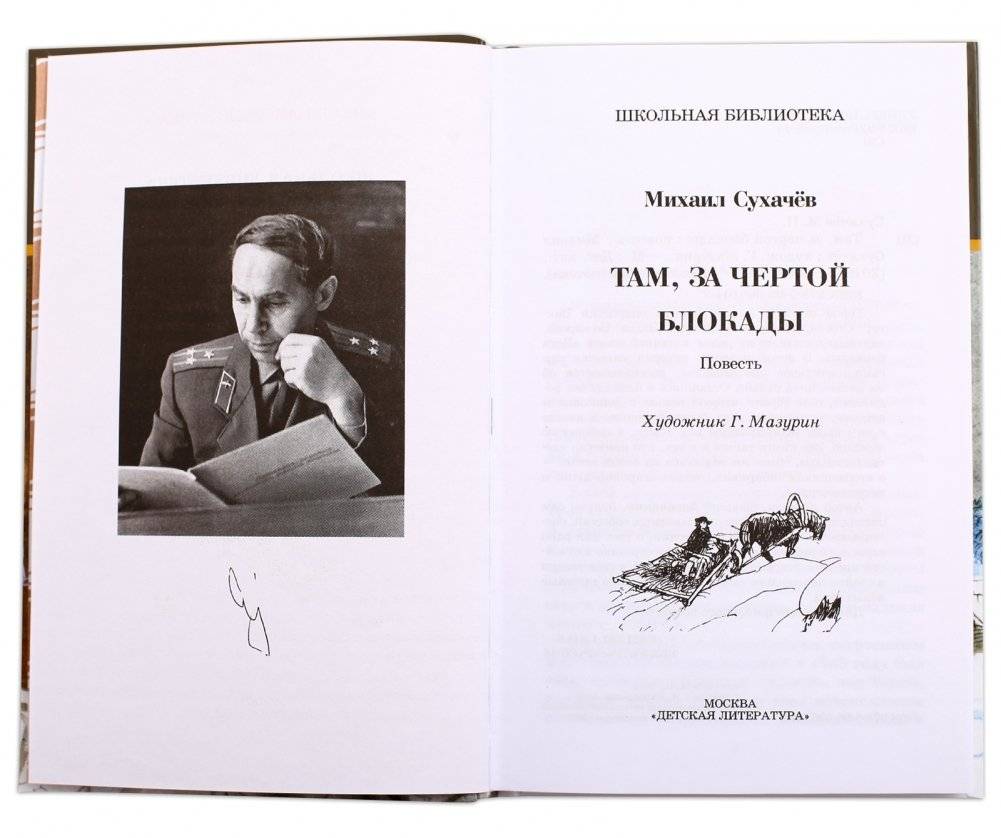
By Сухачев Михаил Павлович
Там, за чертой блокады
Сухачев Михаил Павлович2019Школьная библиотека
Обзор
В повести «Там, за чертой блокады» Михаила Сухачева рассказывается о судьбе ленинградских подростков, знакомых читателю по книге «Дети блокады». Оставшись без родителей, они обрели вторую семью в детдоме и были эвакуированы в сибирскую деревню под Томском. Книга рассказывает о тех, кто приютил детей, — о колхозниках-сибиряках. Автор, бывший блокадник, рассказывает о своем поколении, об их взрослении и стойкости.
Кому подойдёт
- Тем, кто интересуется историей блокадного Ленинграда и судьбами детей в военные годы
- Читателям, ценящим произведения о силе духа и милосердии
Ключевые особенности
- Язык: Русский
- Страниц: 300
- Издательство: Детская литература
- Серия: Школьная библиотека
- Год: 2019
Beyond the Siege Line
Mikhail Sukhachev2019School Library
Overview
"Beyond the Siege Line" by Mikhail Sukhachev tells the story of Leningrad teenagers, known from the book "Children of the Siege," and their life after being evacuated to a Siberian village near Tomsk. Having lost their parents, they found a second family in a children's home. The book portrays the Siberian collective farmers who sheltered the children. The author, a former resident of besieged Leningrad, recounts his generation's experiences, their resilience, and their premature adulthood.
Who it's for
- Readers interested in the history of besieged Leningrad and the fate of children during the war
- Those who appreciate stories about resilience and compassion
Key features
- Language: Russian
- Pages: 300
- Publisher: Детская литература
- Series: School Library
- Year: 2019