 US: 2-4 weeks,
  Europe: 1-2 weeks, 🌍 Worldwide: 1-4 weeks ✈️
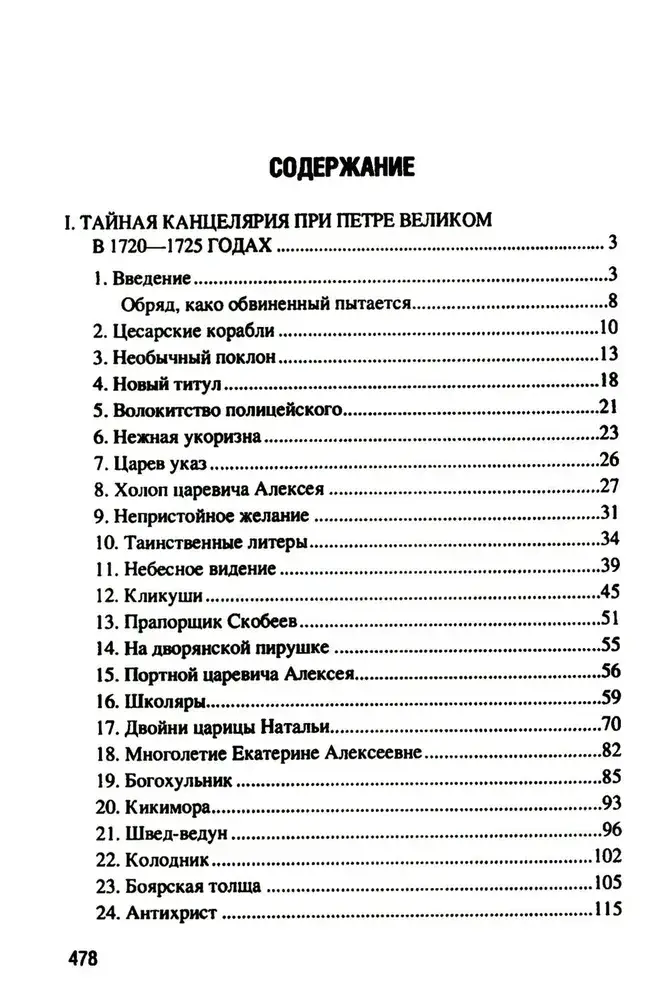
Тайная канцелярия при Петре Великом | The Secret Chancellery under Peter the Great
By Семевский Михаил Иванович
Тайная канцелярия при Петре Великом
Семевский Михаил Иванович, 2025, Серия: История Отечества
Обзор
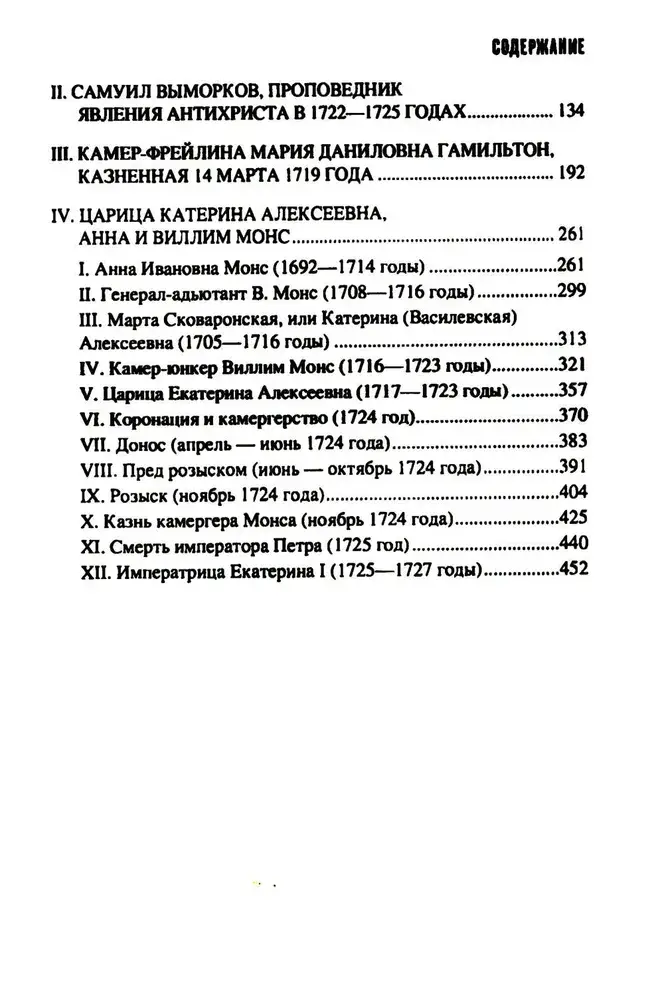
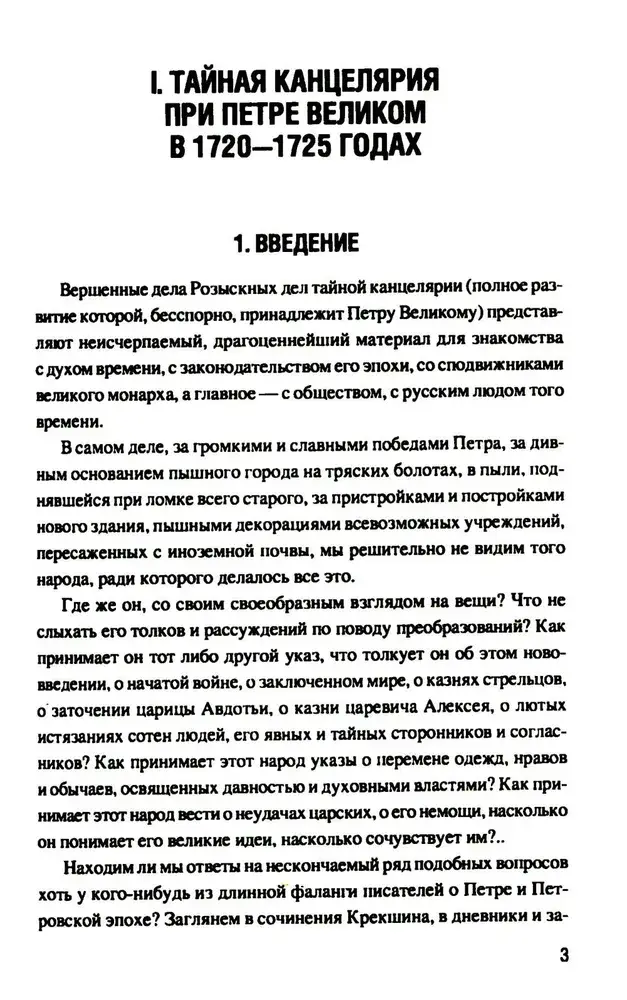
Эта книга русского историка М.И. Семевского посвящена становлению и деятельности Тайной канцелярии – одного из первых органов политического сыска Российской империи XVIII века. Изначально созданная для расследования дела царевича Алексея, канцелярия расширила свои функции, занимаясь делами о государственной измене, оскорблениях государя и других преступлениях. Очерки, основанные на архивных материалах, ярко описывают жизнь России в эпоху реформ Петра Великого.
Кому подойдёт
- Интересующимся историей России XVIII века
- Исследователям истории спецслужб и политического сыска
- Читателям, увлекающимся эпохой Петра Великого
Ключевые особенности
- Русский язык
- 480 страниц
- Твердая обложка
- ISBN: 9785448451782
- Издательство: Вече
- Год издания: 2025
- Серия: История Отечества
The Secret Chancellery under Peter the Great
Mikhail Ivanovich Semevsky, 2025, Series: History of the Fatherland
Overview
This book by Russian historian M.I. Semevsky explores the establishment and activities of the Secret Chancellery, one of the earliest political investigation bodies of the Russian Empire in the 18th century. Initially formed to investigate the case of Tsarevich Alexei, the Chancellery expanded its scope to include matters of high treason, offenses against the sovereign, and other crimes. Written with emotional depth and based on archival sources, these essays paint a vivid picture of Russian life during Peter the Great's reforms.
Who it's for
- Readers interested in 18th-century Russian history
- Those researching the history of secret services and political investigation
- Individuals fascinated by the era of Peter the Great
Key features
- Language: Russian
- 480 pages
- Hardcover binding
- ISBN: 9785448451782
- Publisher: Veche
- Publication Year: 2025
- Series: History of the Fatherland