 US: 2-4 weeks,
  Europe: 1-2 weeks, 🌍 Worldwide: 1-4 weeks ✈️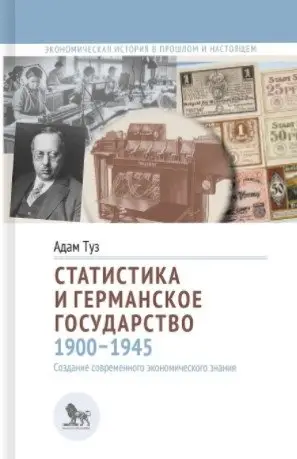
Статистика и германское государство 1900-1945 | Statistics and the German State 1900-1945
By Туз Адам
📚твердый переплёт
$35.99In stock
Code: 9785850062644
Статистика и германское государство 1900-1945
Обзор
Книга посвящена изучению роли статистики в германском государстве в период с 1900 по 1945 год.
Кому подойдёт
- Всем, кто интересуется историей Германии.
- Студентам и исследователям, изучающим статистику и ее применение в государственных структурах.
Ключевые особенности
Statistics and the German State 1900-1945
Overview
This book examines the role of statistics in the German state from 1900 to 1945.
Who it's for
- Anyone interested in German history.
- Students and researchers studying statistics and its application in government.