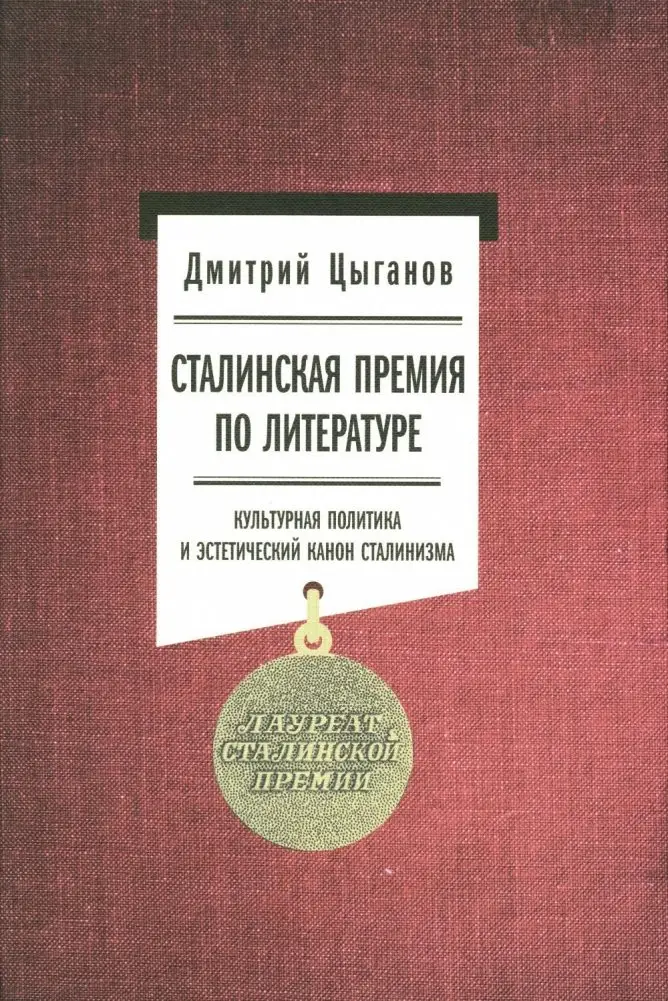
Сталинская премия по литературе. Культурная политика и эстетический канон сталинизма | The Stalin Prize for Literature: Cultural Policy and the Aesthetic Canon of Stalinism
Дмитрий Цыганов, 2023
Обзор
Вопросы эстетического канона сталинской эпохи и взаимодействия политики с эстетикой в послевоенном СССР остаются малоисследованными областями культурной истории. Эта книга анализирует, как институты обеспечивали связь между политической и эстетической сферами, и какую роль в этом процессе играла Сталинская премия в области литературы и искусства. Дмитрий Цыганов представляет первое исследование, основанное на архивных источниках, подробно описывающее и анализирующее институциональный аспект Сталинской премии по литературе. Автор рассматривает детали работы Комитета по премиям и нюансы присуждения наград, реконструируя ключевые культурные тенденции, определявшие развитие соцреалистического литературного проекта. Исследование предлагает комплексное представление о литературном процессе 1930-х — начала 1950-х годов, уходя от упрощающих схем.
Кому подойдёт
- Исследователям истории культуры СССР.
- Специалистам по советской литературе и искусству.
- Читателям, интересующимся культурной политикой и эстетическими канонами.
- Студентам и аспирантам филологических и исторических специальностей.
Ключевые особенности
- Язык: русский
- Тип обложки: твердая обложка
- Год издания: 2023
- Количество страниц: 800
- Издательство: Новое литературное обозрение
- ISBN: 9785444821077
Dmitry Tsyganov, 2023
Overview
The aesthetic canon of the Stalin era and the interplay of politics and aesthetics in the post-war USSR are central yet underexplored aspects of cultural history. This book investigates the institutions that bridged the political and aesthetic spheres and the role of the Stalin Prize in literature and art. Dmitry Tsyganov offers the first study based entirely on archival sources, providing a detailed description and comprehensive analysis of the institutional framework of the Stalin Prize for Literature. The author examines the operational details of the Prize Committee and award nuances, reconstructing key cultural trends that shaped the socialist realist literary project. By illustrating the complex interplay of institutions that formed the Stalinist era's canon, the research moves beyond simplistic interpretations to offer a more integrated view of the literary process from the 1930s to the early 1950s.
Who it's for
- Researchers of Soviet cultural history.
- Scholars of Soviet literature and art.
- Readers interested in cultural policy and aesthetic canons.
- Students and postgraduate researchers in philology and history.
Key features
- Language: Russian
- Binding: Hardcover
- Year: 2023
- Pages: 800
- Publisher: Novoe Literaturnoe Obozrenie
- ISBN: 9785444821077