 US: 2-4 weeks,
  Europe: 1-2 weeks, 🌍 Worldwide: 1-4 weeks ✈️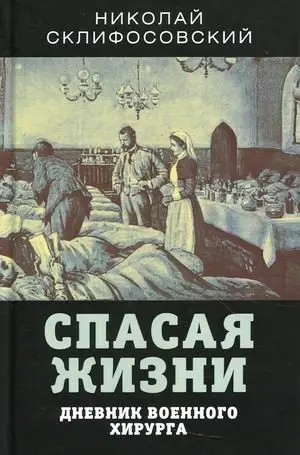
Спасая жизни. Дневник военного хирурга | Saving Lives: Diary of a Military Surgeon
By Склифосовский Николай Васильевич
Спасая жизни. Дневник военного хирурга
Обзор
Николай Васильевич Склифосовский, родившийся на хуторе Карантин, уже в 24 года стал главным врачом небольшой областной больницы. В 1860‑х годах он ушёл в армию в качестве военно‑польного хирурга, приняв участие в трёх кампаниях и получив бесценный опыт срочных операций. Именно в боевых условиях он разработал собственную теорию микробов и предложил использовать антисептики, внедрив тогда новаторские методы. В книге собраны избранные работы хирурга, где описаны самые интересные и сложные случаи полевых операций, показывающие, как война стимулировала медицинские открытия.
Кому подойдёт
- Студенты истории медицины и хирургии
- Любители русской военной литературы XIX века
- Профессионалы, интересующиеся истоками антисептики
- Читатели, предпочитающие документальные триллеры
Ключевые особенности
- Автор: Склифосовский Николай Васильевич, известный русский хирург XIX века
- Год издания 2021, издательство «Родина», 464 страницы, твердый переплёт
- Входит в серию «Документальный триллер», ISBN 9785001801269
- Собрание работ полевого хирурга, участвовавшего в трёх военных кампаниях 1860‑х годов
- Описывает новаторские методы антисептики и сложные операции, разработанные в условиях боевых действий
- Содержит подробные разборы самых сложных случаев на поле боя
Saving Lives: Diary of a Military Surgeon
Overview
Nikolai Vasilievich Sklyfososky, born on the hamlet of Karantin, became chief physician of a provincial hospital at the age of 24. In the 1860s he volunteered as a military field surgeon, serving in three campaigns and gaining invaluable experience in emergency surgery. There he formulated an original theory of microbes and advocated the use of antiseptics, introducing methods that were revolutionary for the time. The book gathers his selected writings, presenting the most interesting and technically demanding battlefield cases, and illustrates how wartime conditions spurred medical innovation.
Who it's for
- Students of medical history and surgery
- Readers interested in 19th‑century Russian war literature
- Professionals seeking insight into the origins of antiseptic practice
- Fans of documentary‑thriller non‑fiction
Key features
- Author: Nikolai Vasilievich Sklyfososky, renowned 19th‑century Russian surgeon
- Published 2021 by Rodina, 464 pages, hardcover binding
- Part of the "Documentary Thriller" series (ISBN 9785001801269)
- Collected works of a field surgeon who served in three military campaigns in the 1860s
- Describes pioneering antiseptic techniques and innovative complex operations developed under fire
- Includes detailed case studies of the most challenging battlefield surgeries