 US: 2-4 weeks,
  Europe: 1-2 weeks, 🌍 Worldwide: 1-4 weeks ✈️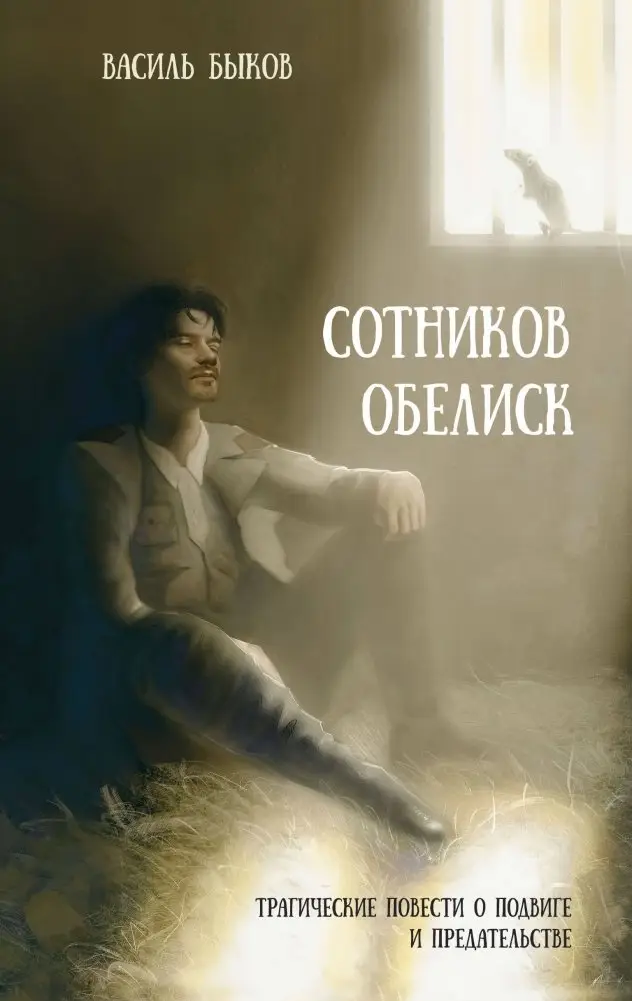
Сотников. Обелиск | Sotnikov. Obelisk
By Быкаў Васіль Уладзіміравіч
Сотников. Обелиск
Василь Быков, 2024, Золотая коллекция советских военных романов
Обзор
Повести Василя Быкова исследуют поведение человека в сложнейших условиях и нравственный выбор перед лицом смерти. Произведения "Сотников" и "Обелиск" считаются важным этапом в творчестве автора. В повести "Сотников" раскрывается героизм советских солдат, трагедия плена и роковые обстоятельства гибели главного героя. "Обелиск" рассказывает о партизанах Белоруссии и подвиге простых людей, таких как школьный учитель и его ученики, где главный герой добровольно идет на смерть ради спасения других.
Кому подойдёт
- Читателям, интересующимся военной прозой и темами героизма.
- Подросткам и взрослым старше 16 лет.
- Любителям произведений о партизанском движении.
Ключевые особенности
- Автор: Василь Быков
- Издательство: Эксмо
- Серия: Золотая коллекция советских военных романов
- Тип обложки: твердая обложка
- Количество страниц: 320
- ISBN: 9785041988197
- Год издания: 2024
Sotnikov. Obelisk
Vasil Bykov, 2024, Golden Collection of Soviet War Novels
Overview
Vasil Bykov's novellas explore human behavior in the most difficult conditions and moral choices in the face of death. "Sotnikov" and "Obelisk" are considered a significant stage in the author's work. The novella "Sotnikov" reveals the heroism of Soviet soldiers, the tragedy of captivity, and the fatal circumstances of the protagonist's demise. "Obelisk" tells the story of Belarusian partisans and the valor of ordinary people, such as a school teacher and his students, where the main character voluntarily faces death to save others.
Who it's for
- Readers interested in war prose and themes of heroism.
- Teenagers and adults aged 16 and over.
- Fans of works about the partisan movement.
Key features
- Author: Vasil Bykov
- Publisher: Eksmo
- Series: Golden Collection of Soviet War Novels
- Binding: Hardcover
- Pages: 320
- ISBN: 9785041988197
- Year: 2024