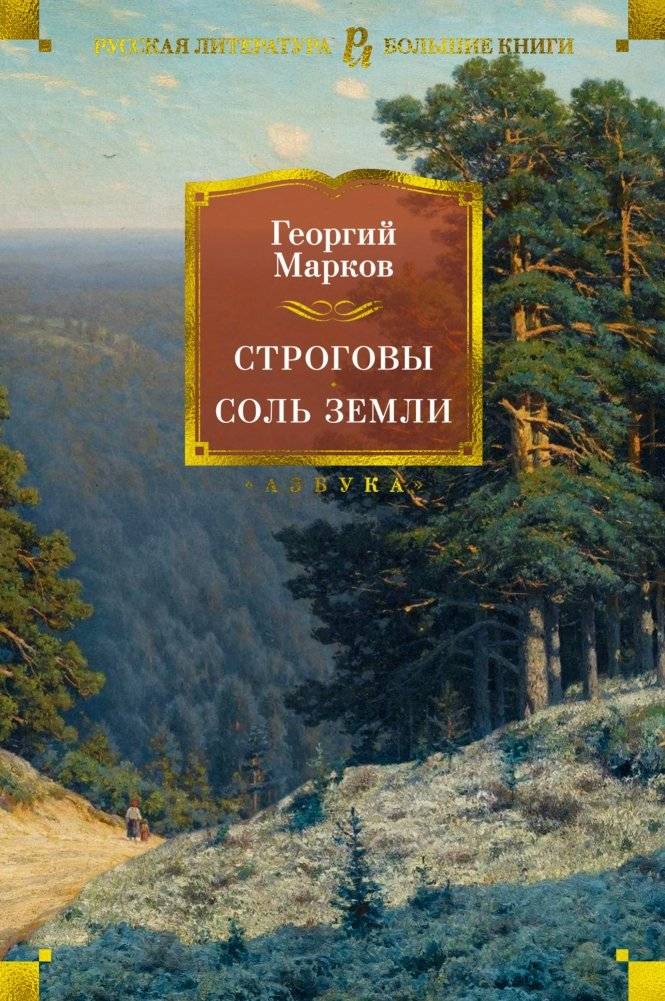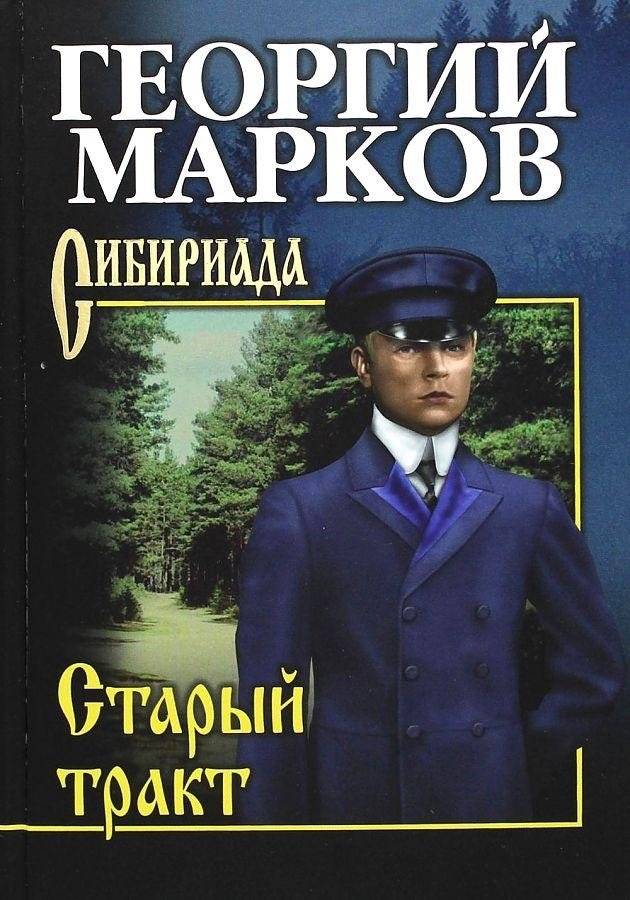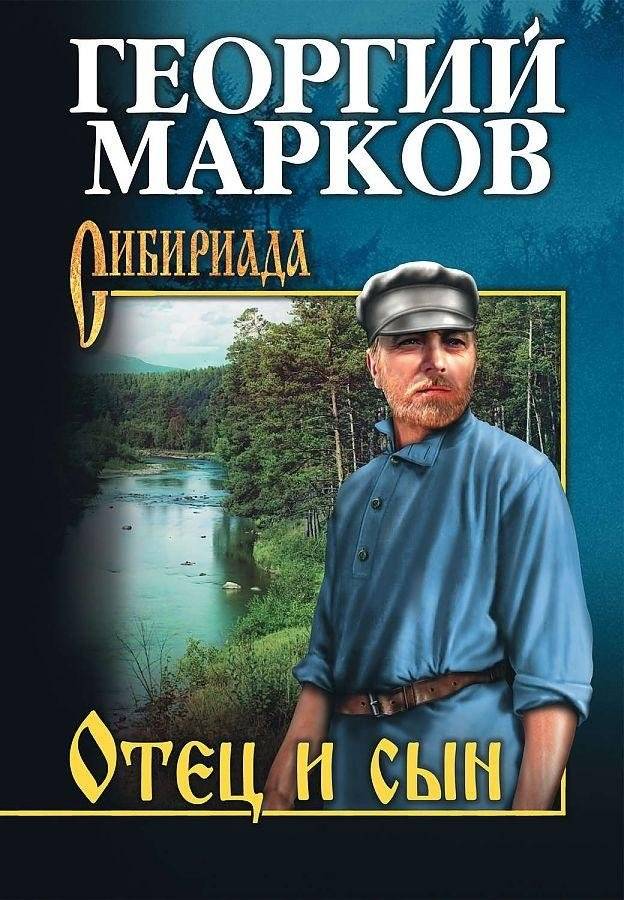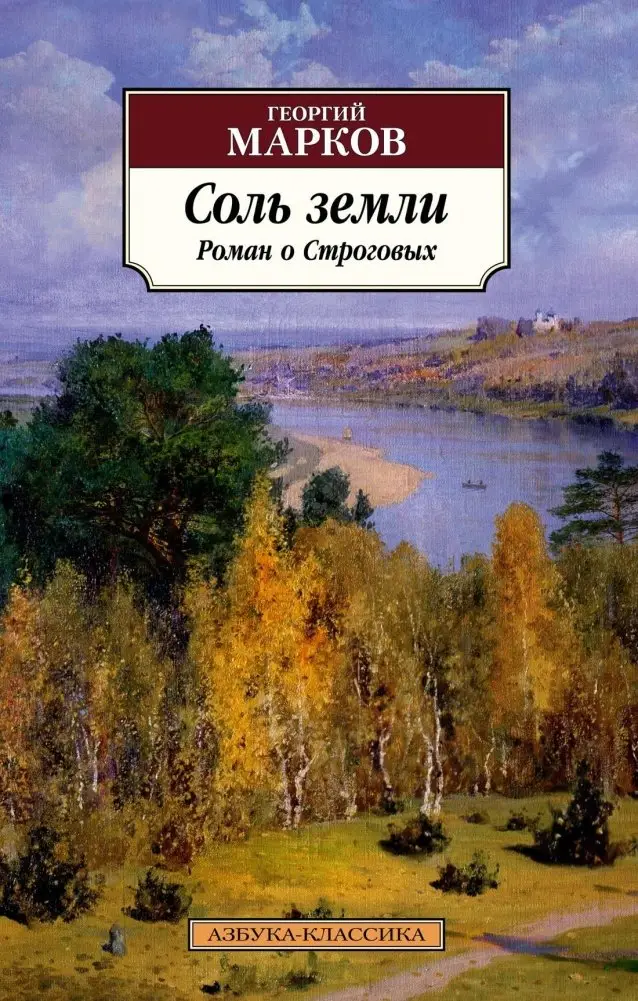
Соль земли. Роман о Строговых | Salt of the Earth: A Novel about the Strogovs
Георгий Марков
Обзор
Роман «Соль земли» является продолжением истории, начатой в произведении «Строговы», которое принесло автору Георгию Маркову известность. В этом эпическом повествовании прослеживается судьба детей и внуков Матвея Строгова. Действие охватывает период преобразования послевоенной Сибири, освоение её природных богатств на благо людей. Критики отмечают масштабность произведения, сравнивая его с «Тихим Доном» Михаила Шолохова, и подчёркивают колорит сибирского уклада.
Кому подойдёт
- Читателям, интересующимся историей Сибири.
- Любителям семейных саг и эпических романов.
- Поклонникам творчества Георгия Маркова.
- Зрителям, которым понравился сериал «Соль земли».
Ключевые особенности
- Язык: русский
- Количество страниц: 672
- Тип обложки: мягкая обложка
- Издательство: Азбука
- Серия: Азбука-Классика
- ISBN: 9785389201835
- Год издания: 2024
Georgy Markov
Overview
The novel "Salt of the Earth" continues the narrative begun in "The Strogovs," a work that brought author Georgy Markov recognition. This epic tale follows the lives of the children and grandchildren of Matvey Strogov. The story unfolds during the transformation of post-war Siberia, focusing on the development of its natural resources for the benefit of its people. Critics have compared the scope of this work to Mikhail Sholokhov's "And Quiet Flows the Don," highlighting the vividness of the Siberian way of life.
Who it's for
- Readers interested in Siberian history.
- Fans of family sagas and epic novels.
- Admirers of Georgy Markov's work.
- Viewers who enjoyed the "Salt of the Earth" TV series.
Key features
- Language: Russian
- Pages: 672
- Binding: Softcover
- Publisher: Azbuka
- Series: Azbuka-Classica
- ISBN: 9785389201835
- Publication Year: 2024