 US: 2-4 weeks,
  Europe: 1-2 weeks, 🌍 Worldwide: 1-4 weeks ✈️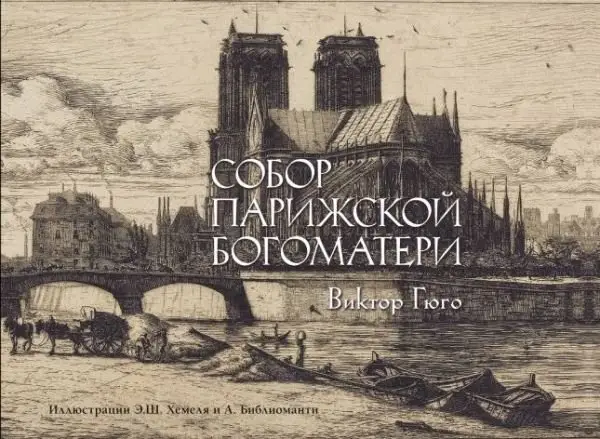
Собор Парижской Богоматери | The Hunchback of Notre Dame
By Гюго Виктор
Собор Парижской Богоматери
Виктор Гюго, 2024, Коллекционная книга
Обзор
«Собор Парижской Богоматери» — это исторический роман Виктора Гюго, опубликованный в 1831 году. Произведение привлекло внимание общественности к собору, что способствовало его сохранению. Главным героем романа является сам собор, под сводами которого разворачивается драма о любовном треугольнике и влиянии судьбы на человеческие жизни. История включает таких персонажей, как цыганка Эсмеральда, звонарь Квазимодо, Феб и священник Фролло.
Кому подойдёт
- Любителям классической французской литературы.
- Поклонникам исторических романов с элементами драмы.
- Читателям, интересующимся архитектурой и средневековой историей.
- Возраст: 12+
Ключевые особенности
- Язык: русский
- Страниц: 448
- Тип обложки: твердая обложка
- Штрих код: 9785171544515
- Издательство: АСТ
- Серия: Коллекционная книга
- Год: 2024
The Hunchback of Notre Dame
Victor Hugo, 2024, Kollektsionnaya kniga
Overview
Victor Hugo's "The Hunchback of Notre Dame" is a historical novel first published in 1831. The book's success drew public attention to the Notre Dame Cathedral, which was then slated for demolition or significant alteration, ultimately contributing to its preservation. Hugo himself stated that the cathedral was the novel's true protagonist. Beneath its Gothic arches unfolds a profound drama of a love triangle, marked by the inescapable influence of fate on human destiny. The narrative features complex characters like the proud gypsy Esmeralda, the kind but disfigured bell-ringer Quasimodo, the handsome but cruel Phoebus, and the jealous priest Frollo.
Who it's for
- Readers of classic French literature.
- Fans of historical novels with dramatic elements.
- Those interested in medieval history and architecture.
- Age: 12+
Key features
- Language: Russian
- Pages: 448
- Binding: Hardcover
- ISBN: 9785171544515
- Publisher: AST
- Series: Kollektsionnaya kniga
- Year: 2024