 US: 2-4 weeks,
  Europe: 1-2 weeks, 🌍 Worldwide: 1-4 weeks ✈️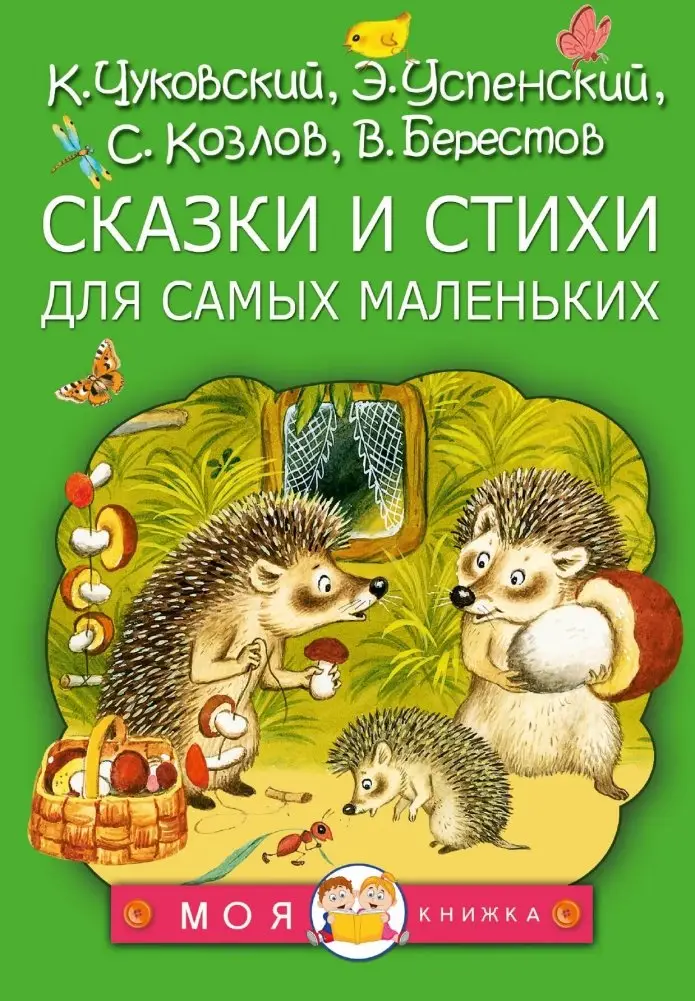
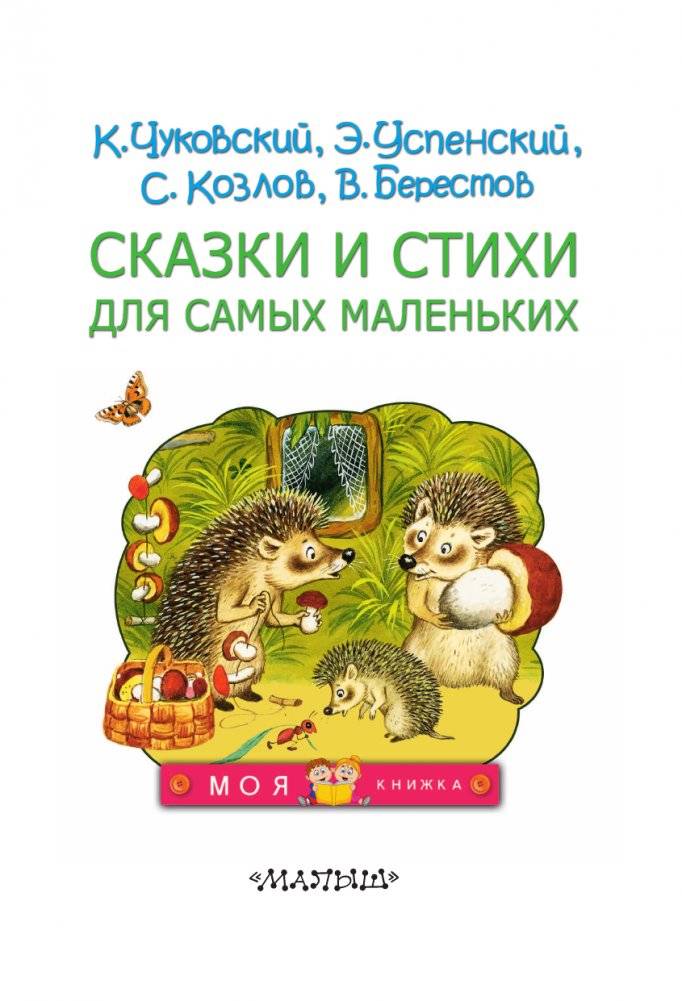
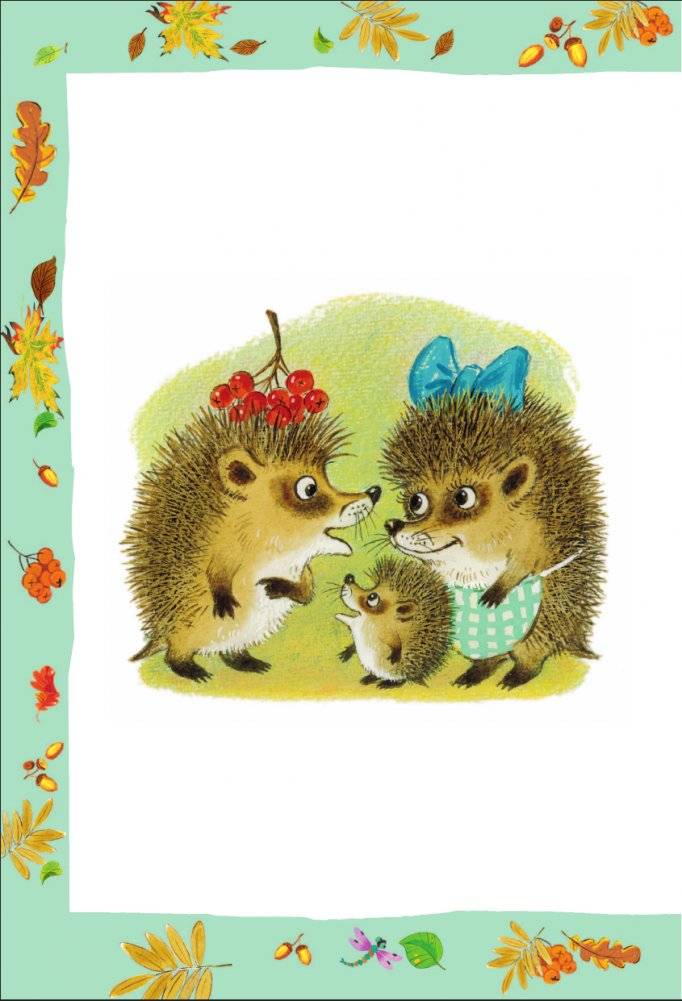
Сказки и стихи для самых маленьких | Fairy Tales and Poems for the Very Young
By Козлов Сергей Григорьевич, Чуковский Корней Иванович, Эдуард Успенский, Берестов Валентин Дмитриевич
Сказки и стихи для самых маленьких
Обзор
В сборнике собраны короткие стихи и сказки любимых детских писателей К. Чуковского, Э. Успенского, С. Козлова и В. Берестова. Тексты добрые, смешные и мудрые, они наверняка понравятся самым маленьким читателям. В конце книги опытный педагог‑психолог включил вопросы, помогающие лучше усвоить прочитанное и развивать внимание, речь и мышление. Издание предназначено для дошкольного возраста и подходит как для совместного чтения, так и для первых самостоятельных чтений ребёнка.
Кому подойдёт
- Родители и воспитатели детей от рождения (возраст 0+)
- Преподаватели дошкольных учреждений, ищущие интересный литературный материал
- Дети, начинающие самостоятельное чтение
- Любители классической русской детской литературы, желающие собрать её в одной книге
Ключевые особенности
- Короткие стихи и сказки известных советских и российских детских писателей: К. Чуковский, Э. Успенский, С. Козлов, В. Берестов
- 160 страниц в прочном интегральном переплёте, рассчитанном на активное использование детьми
- Издание 2026 года, издательство АСТ, входит в серию «Моя книжка»
- В конце книги – вопросы, разработанные опытным педагогом‑психологом, способствующие лучшему усвоению текста и развитию внимания, речи и мышления
- Подходит для детей от рождения (возраст 0+), идеально для совместного чтения и первых самостоятельных чтений
Fairy Tales and Poems for the Very Young
Overview
This collection brings together short poems and fairy tales by beloved Russian children's authors K. Chukovsky, E. Uspensky, S. Kozlov and V. Berestov. The works are gentle, humorous and wise, making them appealing to young listeners and readers. At the end of the volume, a child‑psychologist has added comprehension questions that help reinforce the material and support the development of attention, speech and thinking. The book is aimed at preschool children, suitable for both shared reading with adults and the child’s first independent sessions.
Who it's for
- Parents and caregivers of infants and toddlers (age 0+)
- Preschool teachers looking for engaging literary material
- Children beginning to read independently
- Anyone seeking classic Russian children's literature in a single volume
Key features
- Contains short poems and fairy tales by classic Russian children's authors K. Chukovsky, E. Uspensky, S. Kozlov and V. Berestov
- 160 pages in a durable integral (hardcover) binding suitable for frequent handling by young children
- Published in 2026 by AST as part of the "My Book" (Моя книжка) series
- Includes pedagogical questions at the end of the book, created by an experienced child psychologist, to reinforce comprehension and develop attention, speech and thinking
- Designed for children from birth onward (age 0+), ideal for shared reading and early independent reading