 US: 2-4 weeks,
  Europe: 1-2 weeks, 🌍 Worldwide: 1-4 weeks ✈️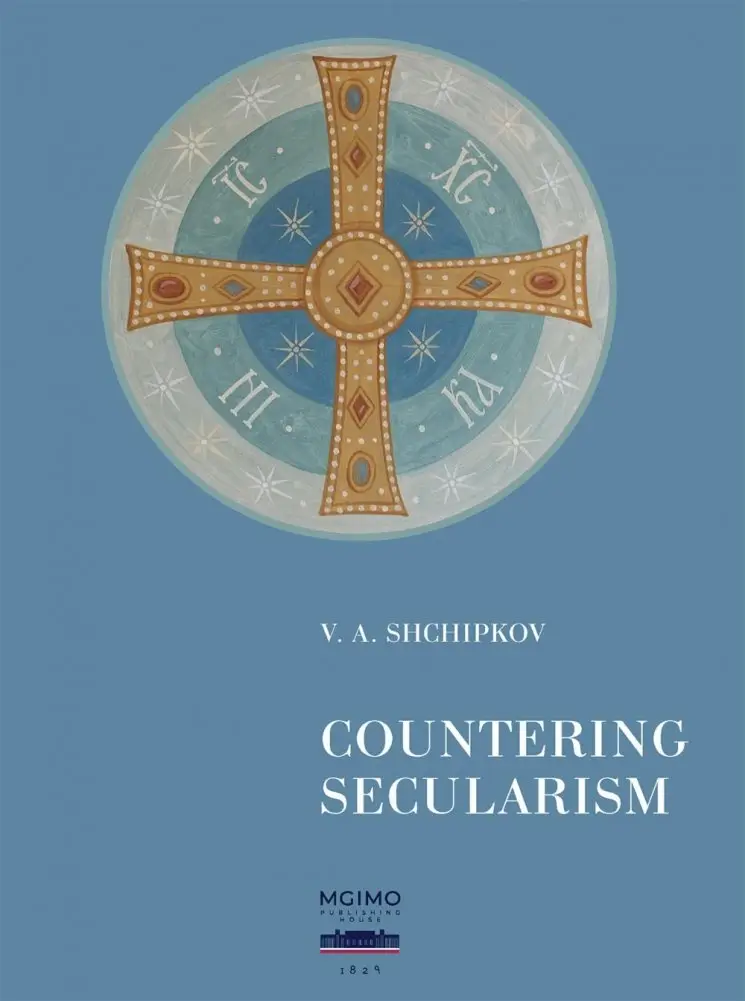
Щипков В.А. Против секуляризма : монография: на англ.яз | Shchipkov V.A. Countering Secularism: A Monograph in English
By Щипков В.А.
Countering Secularism
V.A. Shchipkov
Overview
This monograph offers a condensed version of the research "Genealogy of Secular Discourse," examining the philosophical and theological pathways leading to secular ways of thinking, culture, and societal structures. The nature of secularism has become a particularly pressing issue in recent decades, as the significant influence of religious factors globally has become evident. Simultaneously, trust in the universality claimed by secular language is diminishing. Religious groups often express dissatisfaction with the mediating role of secular discourse, which is rapidly losing its neutrality and adopting partisan characteristics. Proponents of secular modern culture are also questioning its explanatory and predictive capabilities. This situation prompts various parties to investigate secular cultural discourse: its essence, origins, historical development in the West and Russia, and the meaning and prospects of "post-secularity." This study addresses these questions by systematically unfolding the philosophical, cultural, and theological panorama of this process historically, from early Christian theological disputes to 21st-century discussions on the post-secular turn in social sciences, highlighting the development of Western culture and its fundamental differences from Orthodox Russian culture.
Who it's for
- Specialists in philosophy of culture
- Students of political philosophy
- Scholars of theology
Key features
- Language: English
- Pages: 125
- Binding: Softcover
- Publisher: MGIMO University
- Year: 2025
- ISBN: 9785922830218