 US: 2-4 weeks,
  Europe: 1-2 weeks, 🌍 Worldwide: 1-4 weeks ✈️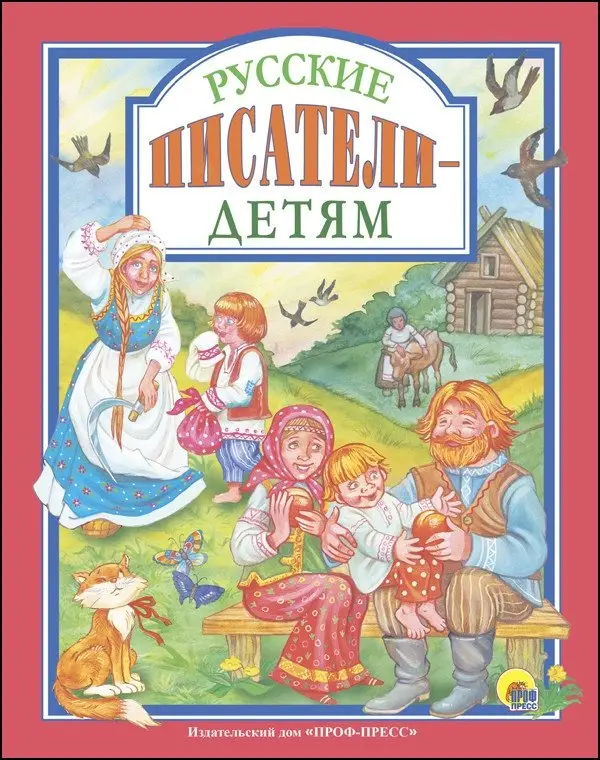
Русские писатели - детям | Russian Writers for Children
Русские писатели - детям
Обзор
Этот сборник рассказов предназначен для детей от 5 до 7 лет и старше, помогая им осваивать важные жизненные ценности. В данном возрастном периоде формируется осознание таких понятий, как уважение к людям и животным, ответственность за собственные действия, а также честность и отвага. Книга включает в себя тщательно отобранные произведения любимых авторов, которые наглядно раскрывают эти важнейшие моральные принципы. Прекрасные иллюстрации, сопровождающие каждый рассказ, способствуют более глубокому пониманию повествования и погружению в мир книги.
Кому подойдёт
- Родителям, ищущим книги для развития моральных ценностей у детей.
- Детям от 5 лет, начинающим изучать основы этики и поведения.
- Воспитателям и педагогам для занятий с дошкольниками и младшими школьниками.
- Читателям, ценящим классические произведения русских писателей.
Ключевые особенности
- Сборник произведений классических русских писателей.
- Ориентирован на детей 5-7 лет и старше, способствуя их нравственному развитию.
- Развивает понимание таких качеств, как уважение, ответственность, честность и отвага.
- Включает 128 страниц с прекрасными иллюстрациями, облегчающими восприятие.
- Выпущено издательством «Проф-Пресс» в 2017 году в твердом переплете.
- Часть подарочной серии «Любимые сказки».
Russian Writers for Children
Overview
This collection of stories is designed for children aged 5-7 years and older, guiding them through essential life lessons. It addresses a pivotal age where young readers begin to grasp concepts such as respect for people and animals, accountability for their actions, honesty, and courage. The book features cherished works by beloved authors, each thoughtfully selected to illuminate these fundamental moral principles. Engaging illustrations enhance the narrative, helping children delve deeper into the stories and their underlying messages.
Who it's for
- Parents seeking books to foster moral values in their children.
- Children aged 5 and up, beginning to explore ethics and conduct.
- Educators and teachers for use with preschoolers and early elementary students.
- Readers who appreciate classic works by Russian authors.
Key features
- Collection of works by classic Russian authors.
- Aimed at children aged 5-7 years and older, fostering moral development.
- Cultivates understanding of respect, responsibility, honesty, and courage.
- Features 128 pages with beautiful illustrations to aid comprehension.
- Published by 'Prof-Press' in 2017 with a durable hardcover binding.
- Part of the 'Favorite Fairy Tales (Gift Edition)' series.