 US: 2-4 weeks,
  Europe: 1-2 weeks, 🌍 Worldwide: 1-4 weeks ✈️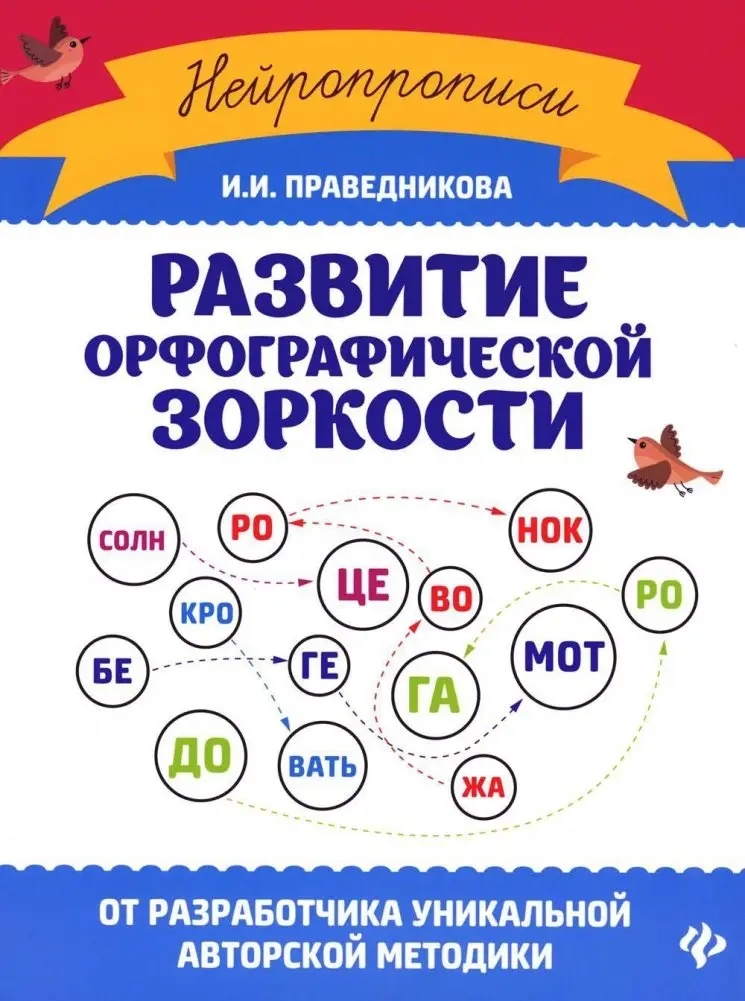
Развитие орфографической зоркости. 11-е издание | Developing Spelling Awareness. 11th Edition
By Праведникова Ирина Игоревна
📖мягкая обложка
$5.99In stock
Code: 9785222411865
Развитие орфографической зоркости. 11-е издание
Обзор
Эта тетрадь предлагает комплексные занятия для развития орфографической зоркости у младших школьников. Она помогает корректировать и предотвращать дисграфические ошибки, улучшая грамотность и почерк. Издание направлено на формирование психических функций, важных для успешного письма.
Кому подойдёт
- Младшие школьники с трудностями в письме
- Родители и педагоги для коррекции дисграфии
- Дети с незрелостью мозговых отделов, влияющих на письмо
- Специалисты по развитию навыков письма
Ключевые особенности
- Автор: Праведникова Ирина Игоревна
- 11-е издание 2024 года, 61 страница
- Издательство «Феникс», серия «Нейропрописи»
- Фокусировка на коррекции и профилактике дисграфических ошибок
Developing Spelling Awareness. 11th Edition
Overview
This workbook offers comprehensive exercises to develop spelling awareness in elementary school children. It helps correct and prevent dysgraphic errors, improving literacy and handwriting. The edition focuses on developing crucial psychological functions for successful writing.
Who it's for
- Elementary school children with writing difficulties
- Parents and educators for dysgraphia correction
- Children with undeveloped brain areas affecting writing
- Specialists in writing skill development
Key features
- Author: Irina Ignatievna Pravednikova
- 11th edition from 2024, 61 pages
- Published by "Fenix", part of the "Neuro-Workbook" series
- Focuses on correcting and preventing dysgraphic errors