 US: 2-4 weeks,
  Europe: 1-2 weeks, 🌍 Worldwide: 1-4 weeks ✈️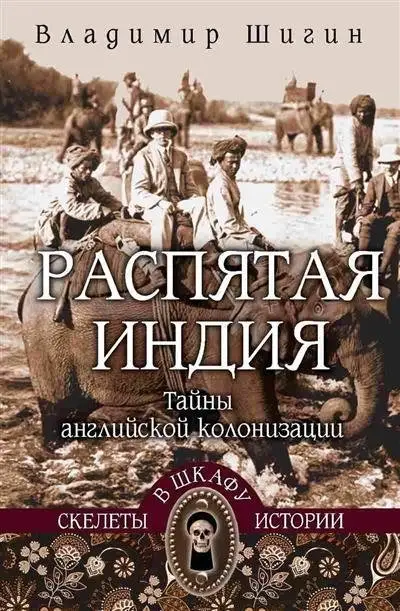
Распятая Индия. Тайны английской колонизации | Crucified India: Secrets of English Colonization
By Шигин Владимир Виленович
Распятая Индия. Тайны английской колонизации
Владимир Шигин, 2025, Серия: Скелеты в шкафу истории
Обзор
Новая книга историка Владимира Шигина посвящена колонизации Индостана англичанами. Автор детально прослеживает историю захвата Индии, начиная с основания Британской Ост-Индской компании. В книге рассматриваются многочисленные войны с индийскими княжествами, внутренняя и внешняя политика Англии, история народных восстаний и организация геноцида, приведшего к миллионам жертв. Представлены как лидеры индийского сопротивления, так и руководители английской армии.
Кому подойдёт
- Читателям, интересующимся историей колониализма.
- Любителям подробных исторических исследований.
- Подросткам старше 12 лет.
Ключевые особенности
- Автор: Владимир Шигин
- Издательство: Вече
- Серия: Скелеты в шкафу истории
- Тип обложки: твердая обложка
- Год издания: 2025
- Количество страниц: 400
- ISBN: 9785448450266
Crucified India: Secrets of English Colonization
Vladimir Shigin, 2025, Series: Skeletons in the Closet of History
Overview
Historian Vladimir Shigin's new book explores the English colonization of Hindustan. The author meticulously traces the history of India's conquest, beginning with the establishment of the British East India Company. The book details numerous wars with Indian principalities, England's internal and foreign policy towards India and its neighbors, the history of popular uprisings, and the organization of genocide that resulted in tens of millions of deaths. It features Indian resistance leaders like Haider Ali, Tipu Sultan, and Nana Sahib, alongside English army commanders such as Robert Clive and Arthur Wellesley Wellington.
Who it's for
- Readers interested in the history of colonialism.
- Those who appreciate in-depth historical research.
- Individuals aged 12 and older.
Key features
- Author: Vladimir Shigin
- Publisher: Veche
- Series: Skeletons in the Closet of History
- Binding: Hardcover
- Publication Year: 2025
- Pages: 400
- ISBN: 9785448450266