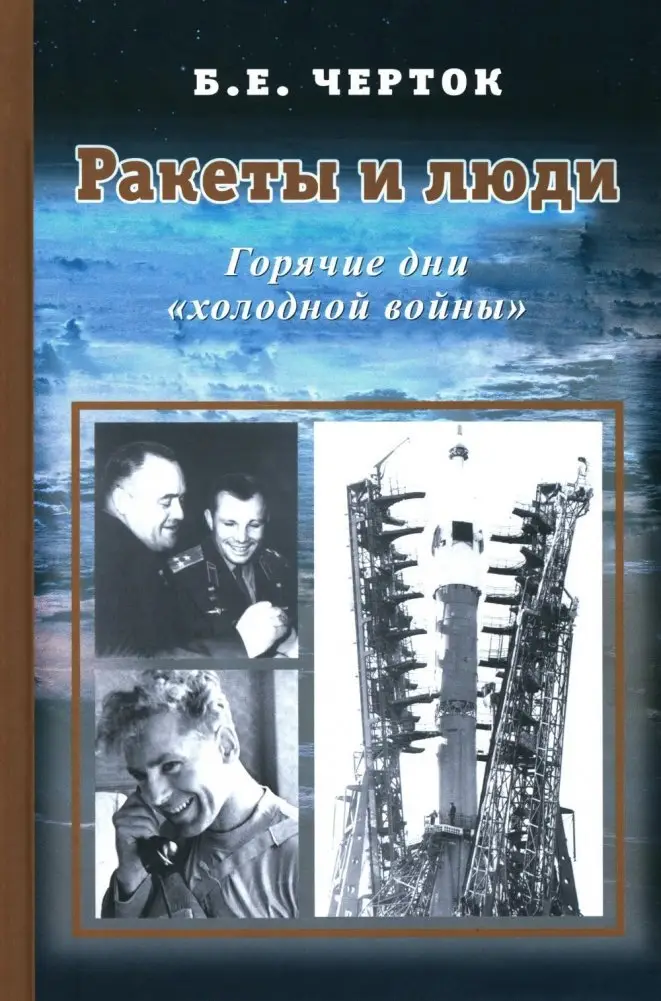
Ракеты и люди. Горячие дни "холодной войны". Т. 3 | Rockets and People. Hot Days of the Cold War. Vol. 3
by Черток Б.Е.
Черток Б.Е., 2024
Обзор
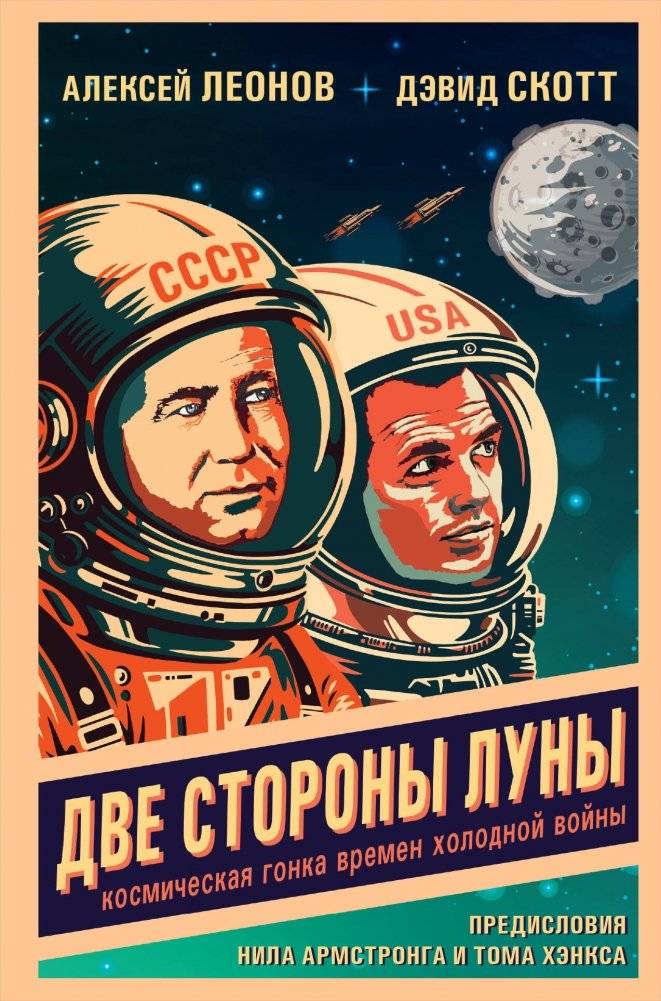
Третий том серии "Ракеты и люди" погружает в напряженный период холодной войны, освещая исторический полет Юрия Гагарина и других пионеров космоса. Книга рассказывает о создании спутника связи «Молния», трагической кончине С. П. Королева, разработке корабля «Союз» и первой орбитальной стыковке. В издание включены как ранее опубликованные материалы, так и новые, эксклюзивно написанные для этого выпуска. Особое внимание уделено различным версиям гибели Юрия Гагарина и прощанию с Главным конструктором, чье имя стало известно народу лишь после его смерти. Описывается потрясение от гибели космонавта В. М. Комарова и волнение от первых сообщений с аппаратов, исследующих Венеру.
Издание затрагивает создание стратегических ракет и тонкую грань между миром и войной во время Карибского кризиса 1962 года. Оно раскрывает сложные коллизии освоения космоса, борьбу технических идей и детали жизни создателей ракетно-космической техники, которых автор называет «солдатами холодной войны».
Кому подойдёт
- Ветеранам, интересующимся историей ракетной техники.
- Молодежи, изучающей историю освоения космоса.
- Всем, кто увлекается историей отечественной космонавтики и холодной войны.
Ключевые особенности
- Язык: русский
- Количество страниц: 768
- Тип обложки: твердая обложка
- Издательство: РТСофт
- Год издания: 2024
- ISBN: 9785903545520
B.E. Chertok, 2024
Overview
This third volume in the "Rockets and People" series delves into the intense Cold War era, chronicling the historic flights of Yuri Gagarin and other space pioneers. The book details the creation of the "Molniya" communication satellite, the unexpected death of S.P. Korolev, the development of the "Soyuz" spacecraft, and the first orbital docking. It includes both previously published materials and new content written specifically for this edition. The narrative explores various theories surrounding Yuri Gagarin's death and the poignant farewell to the Chief Designer, whose name was only revealed to the public posthumously. It captures the shock of cosmonaut V.M. Komarov's tragic demise and the anticipation surrounding initial reports from probes exploring Venus.
The book examines the development of strategic missiles and the precarious balance between peace and war during the 1962 Cuban Missile Crisis. It uncovers the complex challenges of space exploration, the competition of technical ideas, and the personal lives of the rocket and space technology creators, whom the author refers to as "soldiers of the Cold War."
Who it's for
- Veterans interested in the history of rocket technology.
- Youth studying the history of space exploration.
- Anyone fascinated by the history of Soviet/Russian cosmonautics and the Cold War.
Key features
- Language: Russian
- Pages: 768
- Binding: Hardcover
- Publisher: RTSoft
- Year: 2024
- ISBN: 9785903545520