 US: 2-4 weeks,
  Europe: 1-2 weeks, 🌍 Worldwide: 1-4 weeks ✈️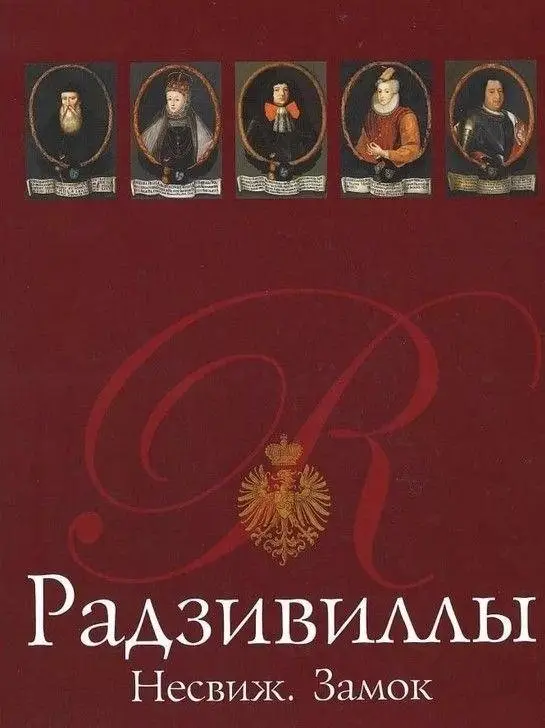
Радзивиллы. Несвиж. Замок | The Radziwiłłs: Nesvizh Castle
By Высоцкая Надежда Федоровна
Радзивиллы. Несвиж. Замок
Обзор
Радзивиллы — самый богатый род в Великом княжестве Литовском, в 1547 году получивший первый в государстве княжеский титул Священной Римской империи. Их владения охватывали территорию современной Беларуси, включая города, сёла и бывшее Слуцкое княжество со Слуцком и Копылем. В XVI‑XVIII веках у рода была собственная шляхетская армия и крепости в Слуцке, Несвиже, Биржах, Кейданах, Мире и Любчу. С XVIII века они стали известными меценатами, собирателями портретных галерей, основателями мануфактур и влиятельными политиками Речи Посполитой.
Кому подойдёт
- Любители истории Восточной Европы
- Студенты, изучающие историю Речи Посполитой
- Читатели 16+ лет, интересующиеся биографиями аристократических родов
Ключевые особенности
- Автор: Высоцкая Надежда Федоровна
- Год издания: 2014, издательство «Беларусь»
- 348 страниц, твердая обложка
- Язык: русский, ISBN 9789850110817
- Возрастное ограничение: 16+
The Radziwiłłs: Nesvizh Castle
Overview
The Radziwiłł family was the wealthiest noble house in the Grand Duchy of Lithuania and, in 1547, became the first in the state to receive a princely title from the Holy Roman Empire. Their estates spanned present‑day Belarus, including towns, villages and the former principalities of Slutsk and Kopyl. From the 16th to the 18th centuries they maintained private armies and built fortresses such as Slutsk, Nesvizh, Birzai, Kėdainiai, Mir and Lyubch. From the 18th century onward the Radziwiłłs were noted patrons of the arts, collectors of portrait galleries and founders of manufactories, playing a decisive role in the political life of the Polish‑Lithuanian Commonwealth.
Who it's for
- History enthusiasts interested in Eastern European nobility
- University students studying the Polish‑Lithuanian Commonwealth
- Readers aged 16 and older seeking a detailed portrait of a noble dynasty
Key features
- Author: Nadezhda Fedorovna Vysotskaya
- Published 2014 by Belarus publishing house
- 348 pages, hardcover binding
- Russian language, ISBN 9789850110817
- Target age 16+