 US: 2-4 weeks,
  Europe: 1-2 weeks, 🌍 Worldwide: 1-4 weeks ✈️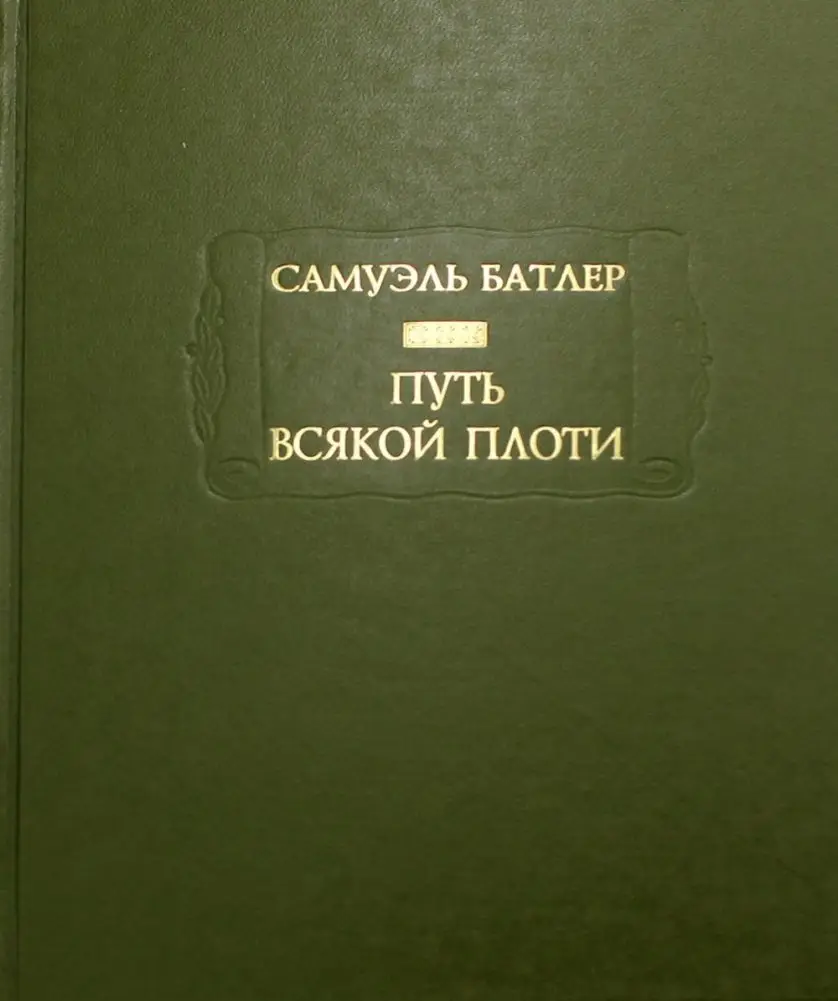
Путь всякой плоти | The Way of All Flesh
By Батлер Стивен
Путь всякой плоти
Сэмюэл Батлер, 2009, Серия: Литературные памятники
Обзор
Вторая половина XIX века в английской литературе отмечена творчеством Сэмюэла Батлера, возродившего традицию фантастического гротеска и предвосхитившего психологическую прозу XX века. Роман "Путь всякой плоти" основан на личном опыте автора, что придает повествованию особую остроту. Произведение прослеживает становление характера и духовное развитие сына священника, от травмирующего детства и юности, полной лишений, до зрелости, обретенной в писательской деятельности. Автор искусно вплетает в текст классические цитаты и аллюзии, а также собственные парадоксы и аллегории, создавая один из лучших викторианских романов, сочетающий философские размышления с жанровыми сценами и иронией.
Кому подойдёт
- Читателям, интересующимся английской литературой XIX века.
- Любителям автобиографических романов и психологической прозы.
- Тем, кто ценит глубокие философские размышления в художественной литературе.
- Поклонникам викторианской эпохи и её литературных традиций.
Ключевые особенности
- Язык: Русский
- Тип обложки: твердый переплёт
- Издательство: Ладомир
- Год издания: 2009
- Серия: Литературные памятники
- Вес: 803 гр.
The Way of All Flesh
Samuel Butler, 2009, Series: Literary Monuments
Overview
Samuel Butler (1835-1902) holds a significant place in late 19th-century English literature. He revived the tradition of Swiftian fantastic grotesque and anticipated the psychological prose of the 20th century. In "The Way of All Flesh," Butler drew upon his personal life experiences with unprecedented frankness, lending the narrative a unique intensity. The novel traces the character formation and spiritual journey of a clergyman's son, depicting a childhood marred by authoritarian upbringing, a youth filled with hardship and disappointment, and finally, a maturity found in creative work as a writer. The author masterfully weaves biblical, Shakespearean, and other classical references into the narrative and dialogue, often re-contextualizing familiar phrases. His own paradoxes and allegories are equally elegant, contributing to one of the finest Victorian novels, where original philosophical insights meet vivid genre scenes, and sharp satire blends with gentle English humor.
Who it's for
- Readers interested in 19th-century English literature.
- Fans of autobiographical novels and psychological fiction.
- Those who appreciate profound philosophical reflections within literary works.
- Individuals drawn to the Victorian era and its literary landscape.
Key features
- Language: Russian
- Binding: Hardcover
- Publisher: Ladomir
- Year: 2009
- Series: Literary Monuments
- Weight: 803 gr.