 US: 2-4 weeks,
  Europe: 1-2 weeks, 🌍 Worldwide: 1-4 weeks ✈️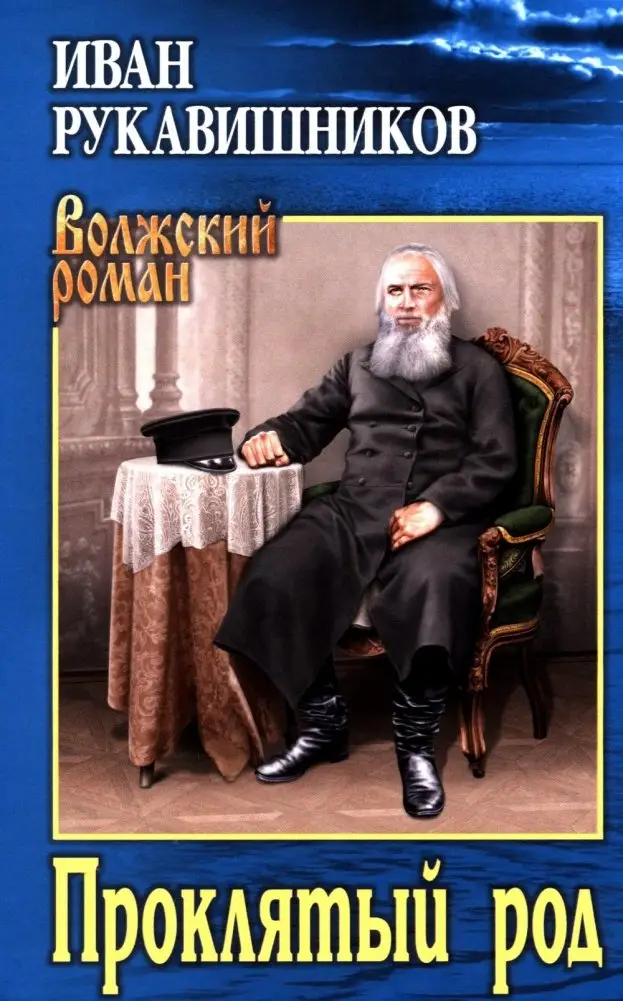
Проклятый род: роман | The Cursed Family: A Novel
By Рукавишников И.С.
Проклятый род: роман
И.С. Рукавишников, 2025, Серия: Волжский роман
Обзор
Роман Ивана Сергеевича Рукавишникова повествует об истории трех поколений нижегородского купеческого рода, к которому принадлежал и сам автор. В произведении отражен период рубежа XIX–XX веков, когда крупный торгово-промышленный капитал России активно заявлял о себе. Автор исследует стремления, страсти, слабости, традиции и мечты представителей этого влиятельного купеческого сословия. Роман представляет значительный исторический и социальный интерес, отличаясь своеобразием языка и стиля.
Кому подойдёт
- Читателям, интересующимся историей купечества России.
- Любителям семейных саг и исторических романов.
- Тем, кто ценит оригинальный язык и стиль в литературе.
Ключевые особенности
- Язык: русский
- Страниц: 560
- Тип обложки: твердая обложка
- Издательство: Вече
- Серия: Волжский роман
- ISBN: 9785448454011
The Cursed Family: A Novel
I.S. Rukavishnikov, 2025, Series: Volzhsky Roman
Overview
The novel by Ivan Sergeevich Rukavishnikov tells the story of three generations of a Nizhny Novgorod merchant family, to which the author himself belonged. The work reflects the period at the turn of the 19th–20th centuries, when Russia's large industrial and commercial capital was actively asserting itself. The author explores the aspirations, passions, weaknesses, traditions, and dreams of representatives of this influential merchant class. The novel holds significant historical and social interest, distinguished by its unique language and style.
Who it's for
- Readers interested in the history of Russian merchants.
- Fans of family sagas and historical novels.
- Those who appreciate original language and style in literature.
Key features
- Language: Russian
- Pages: 560
- Binding: hardcover
- Publisher: Veche
- Series: Volzhsky Roman
- ISBN: 9785448454011