 US: 2-4 weeks,
  Europe: 1-2 weeks, 🌍 Worldwide: 1-4 weeks ✈️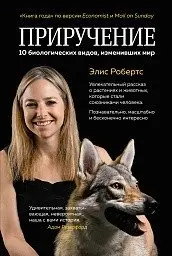
Приручение. 10 биологических видов, изменивших мир | Domestication: 10 Biological Species That Changed the World
By Робертс Элисон
📚твердый переплет
$17.98In stock
Code: 9785389133044
Приручение. 10 биологических видов, изменивших мир
Обзор
Эта книга исследует революцию приручения, которая навсегда изменила отношения между человеком и другими видами. Известный антрополог Элис Робертс знакомит с современными научными теориями эволюции человека, растений и животных. Это масштабное повествование охватывает тысячи лет истории, подкрепленное новейшими данными генетики, археологии и антропологии.
Кому подойдёт
- Любители научно-популярной литературы
- Интересующиеся эволюцией человека и животных
- Студенты биологических и исторических дисциплин
- Исследователи взаимодействия человека и природы
Ключевые особенности
- Автор: Элис Робертс, известный британский антрополог
- Год издания: 2019
- Объем: 464 страницы
- Основано на новейших данных генетики, археологии и антропологии
Domestication: 10 Biological Species That Changed the World
Overview
This book explores the domestication revolution that fundamentally altered the relationship between humans and other species. Renowned anthropologist Alice Roberts presents modern scientific theories on human, plant, and animal evolution. It's a comprehensive narrative spanning millennia, backed by the latest research in genetics, archaeology, and anthropology.
Who it's for
- Readers of popular science literature
- Those interested in human and animal evolution
- Students of biological and historical disciplines
- Researchers of human-nature interaction
Key features
- Author: Alice Roberts, renowned British anthropologist
- Publication Year: 2019
- Pages: 464
- Based on the latest data from genetics, archaeology, and anthropology