 US: 2-4 weeks,
  Europe: 1-2 weeks, 🌍 Worldwide: 1-4 weeks ✈️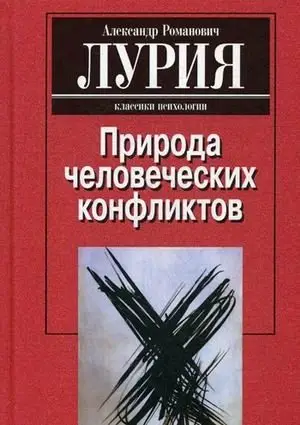
Природа человеческих конфликтов. Объективное изучение дезорганизации поведения человека | The Nature of Human Conflicts: An Objective Study of Human Behavioral Disorganization
By Лурия Александр Романович
Природа человеческих конфликтов. Объективное изучение дезорганизации поведения человека
Александр Романович Лурия, 2019
Обзор
Эта книга, написанная в 1930 году, впервые публикуется на русском языке спустя 70 лет после своего создания. Она посвящена исследованию дезорганизации человеческого поведения, рассматривая взаимодействие воли, аффекта и поведения. Автор стремится проанализировать психику в ее динамике, в единстве сознательных и неосознаваемых механизмов, с точки зрения онтогенеза и патогенеза. Разработанный метод сопряженных моторных реакций стал прообразом современного детектора лжи.
Кому подойдёт
- Специалистам в области психологии и нейропсихологии
- Исследователям, изучающим поведение человека
- Студентам психологических факультетов
- Всем интересующимся природой человеческих конфликтов
Ключевые особенности
- Язык: Русский
- Тип обложки: твердый переплет
- Страниц: 529
- Издательство: Когито-Центр
- Серия: Классики психологии
- ISBN: 9785893535686
The Nature of Human Conflicts: An Objective Study of Human Behavioral Disorganization
Alexander Romanovich Luria, 2019
Overview
Written in 1930, this work explores the disorganization of human behavior, examining the interplay between will, affect, and actions. It delves into the psyche's dynamics, integrating conscious and unconscious processes from both ontogenetic and pathogenetic perspectives. The book introduces the method of associated motor reactions, a precursor to the modern lie detector. Luria gathered extensive data from diverse groups, including children, students, offenders, and individuals with psychological pathologies, to analyze affective conflicts in various stressful situations.
Who it's for
- Psychology and neuropsychology specialists
- Researchers of human behavior
- Psychology students
- Individuals interested in the nature of human conflict
Key features
- Language: Russian
- Binding: Hardcover
- Pages: 529
- Publisher: Kogito-Center
- Series: Classics of Psychology
- ISBN: 9785893535686