 US: 2-4 weeks,
  Europe: 1-2 weeks, 🌍 Worldwide: 1-4 weeks ✈️
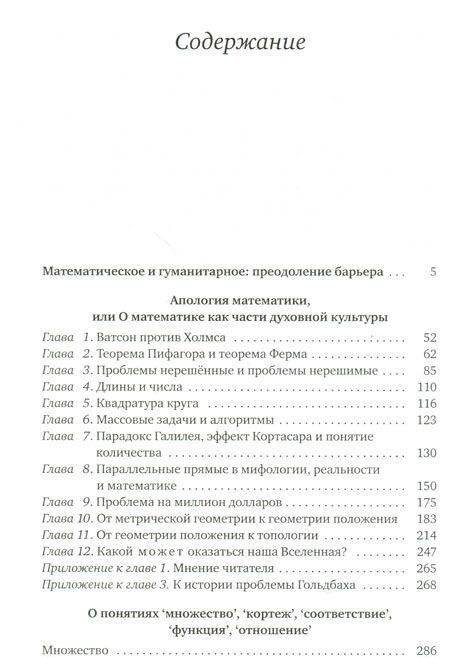
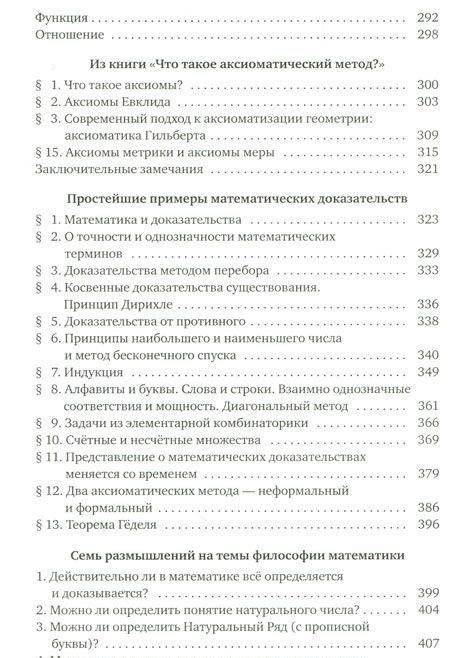

Предисловие к математике. Сборник статей. Выпуск 12 | Introduction to Mathematics: Collected Articles, Issue 12
By Успенский Владимир Андреевич
Предисловие к математике. Сборник статей. Выпуск 12
Владимир Андреевич Успенский, 2015, Серия: Популярная наука
Обзор
Владимир Андреевич Успенский, известный математик и лингвист, представляет математику в доступной форме. В этом сборнике статей он раскрывает даже самые сложные законы, делая их понятными широкому кругу читателей. Автор исследует роль «царицы наук» в современной культуре, попутно объясняя ключевые математические концепции. Книга помогает увидеть взаимосвязь математики с другими областями знаний и её значение в общекультурном контексте.
Кому подойдёт
- Читателям, интересующимся основами математики.
- Тем, кто хочет понять место математики в современной культуре.
- Любознательным людям, стремящимся к расширению кругозора.
Ключевые особенности
- Язык: Русский
- Объем: 474 страницы
- Тип обложки: твердый переплёт
- Издательство: Амфора
- Год издания: 2015
- ISBN: 9785367036060
- Серия: Популярная наука
Introduction to Mathematics: Collected Articles, Issue 12
Vladimir Andreevich Uspensky, 2015, Series: Popular Science
Overview
Renowned mathematician and linguist Vladimir Andreevich Uspensky explains the principles of mathematics in a way that makes even the most complex laws understandable. This collection of articles explores the place of the "queen of sciences" in contemporary culture, clarifying fundamental mathematical concepts along the way. The author demonstrates how intricate mathematical ideas can be grasped by a broad audience, highlighting the subject's significance and accessibility.
Who it's for
- Readers interested in the fundamentals of mathematics.
- Individuals seeking to understand mathematics' role in modern culture.
- Curious minds looking to broaden their intellectual horizons.
Key features
- Language: Russian
- Pages: 474
- Binding: Hardcover
- Publisher: Amphora
- Year: 2015
- ISBN: 9785367036060
- Series: Popular Science