 US: 2-4 weeks,
  Europe: 1-2 weeks, 🌍 Worldwide: 1-4 weeks ✈️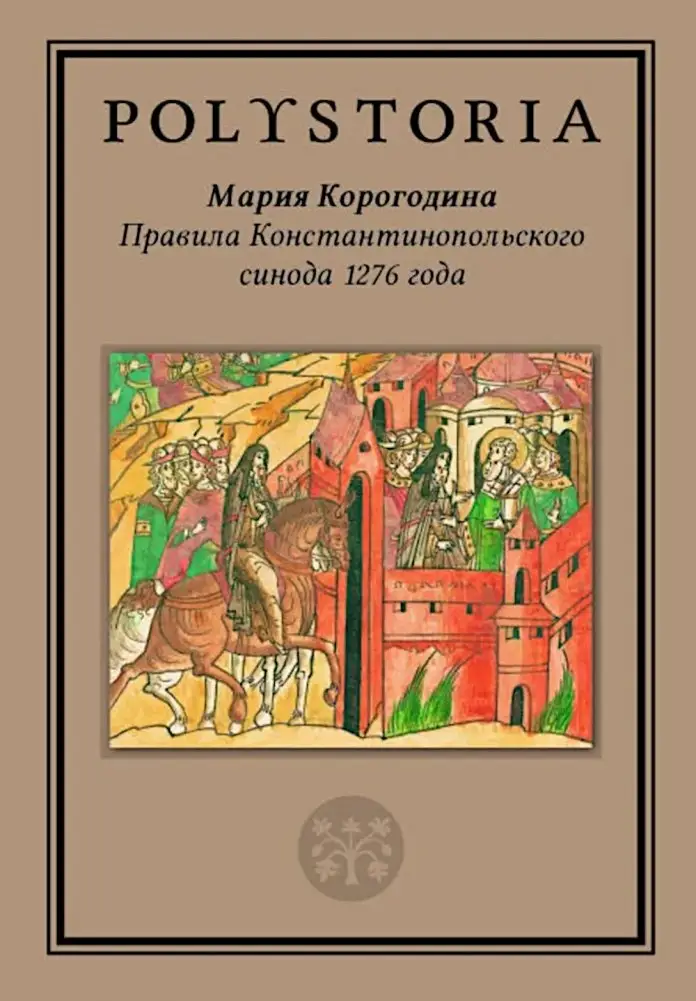
Правила Константинопольского синода 1276 года | The Canons of the Council of Constantinople of 1276
By Корогодина М.
Правила Константинопольского синода 1276 года
М. Корогодина, 2025, Серия: Polystoria
Обзор
Монография посвящена Константинопольскому синоду 1276 года, созванному по просьбе русских архиереев в сложный период монгольского нашествия. Исследование рассматривает предысторию поездки епископа Сарайского Феогноста и особенности восприятия богослужебных и церковно-управленческих вопросов русскими и греческими иерархами в период Лионской унии. Анализируется исторический контекст и особенности богослужения, что позволило прояснить происхождение постановлений, отсутствующих в греческой версии.
Кому подойдёт
- Историкам, интересующимся церковным правом и историей Византии и России.
- Филологам, изучающим древнерусский язык и переводы византийских текстов.
- Всем, кто интересуется литургикой и каноническим правом.
Ключевые особенности
- Язык: русский
- Страниц: 344
- Издательство: ИД Высшей школы экономики
- Год издания: 2025
- ISBN: 9785759841173
- Серия: Polystoria
The Canons of the Council of Constantinople of 1276
M. Korogodina, 2025, Series: Polystoria
Overview
This monograph focuses on the Council of Constantinople held in 1276 at the request of Russian bishops to address pressing issues during the difficult period of the Mongol invasion. It examines the background of Bishop Feognost of Sarai's trip to Constantinople and how Russian and Greek hierarchs perceived questions related to liturgy and church administration during the era of the Lyon Union. The historical context and liturgical specifics are analyzed for each article of the Old Russian text, clarifying the origin of canons not found in the Greek version.
Who it's for
- Historians interested in canon law and the history of Byzantium and Russia.
- Philologists studying the Old Russian language and translations of Byzantine texts.
- Anyone interested in liturgics and canonical law.
Key features
- Language: Russian
- Pages: 344
- Publisher: HSE University Publishing House
- Year: 2025
- ISBN: 9785759841173
- Series: Polystoria