 US: 2-4 weeks,
  Europe: 1-2 weeks, 🌍 Worldwide: 1-4 weeks ✈️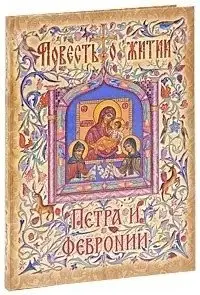
Повесть о житии Петра и Февронии | The Tale of Peter and Fevronia
Повесть о житии Петра и Февронии
Монах Ермолай-Еразм
Обзор
Созданные по Благодати Божией творения древнерусской словесности требуют духовной работы для постижения их глубинного смысла. «Повесть о житии Петра и Февронии Муромских», написанная монахом Ермолаем-Еразмом в середине XVI века, предстает именно таким произведением. Это не сказка, а плод духовных размышлений над смыслом супружеской жизни как пути к обоюдному спасению под покровом Всевышнего.
Кому подойдёт
- Читателям, интересующимся древнерусской литературой.
- Тем, кто ищет духовное осмысление семейных отношений.
- Людям, ценящим произведения с глубоким философским подтекстом.
Ключевые особенности
- Язык: Русский
- Страниц: 74
- Издательство: Схолия
- Штрих код: 9785903147168
- Перевод выполнен с максимальным приближением к оригиналу.
- В скобках добавлены пояснения переводчика для лучшего понимания.
The Tale of Peter and Fevronia
Monk Ermolai-Erasmus
Overview
Works of Old Russian literature, created by Divine Grace, do not immediately reveal their profound meaning and require spiritual effort. Such is the "Tale of the Life of Peter and Fevronia of Murom," written by the religious writer and publicist monk Ermolai-Erasmus in the mid-16th century. This is not a fairy tale for children, but a fruit of spiritual reflection on the meaning of married life, when two people unite under the Almighty's protection to create a family – a small church – for mutual salvation. The translation of the "Tale" is done in maximum approximation to the original text. Translator's notes are added in parentheses for a more precise conveyance of the meaning of the Old Russian creation.
Who it's for
- Readers interested in Old Russian literature.
- Those seeking a spiritual understanding of marital relationships.
- Individuals who appreciate works with deep philosophical undertones.
Key features
- Language: Russian
- Pages: 74
- Publisher: Scholium
- Barcode: 9785903147168
- The translation is made in maximum approximation to the original text.
- Translator's notes are added in parentheses for clearer meaning.