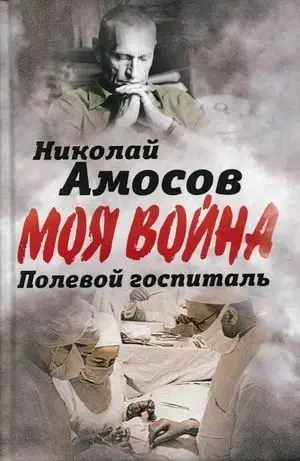
Полевой госпиталь. Записки военного хирурга | Field Hospital: Memoirs of a Military Surgeon
Обзор
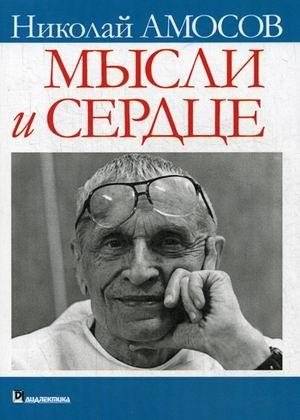
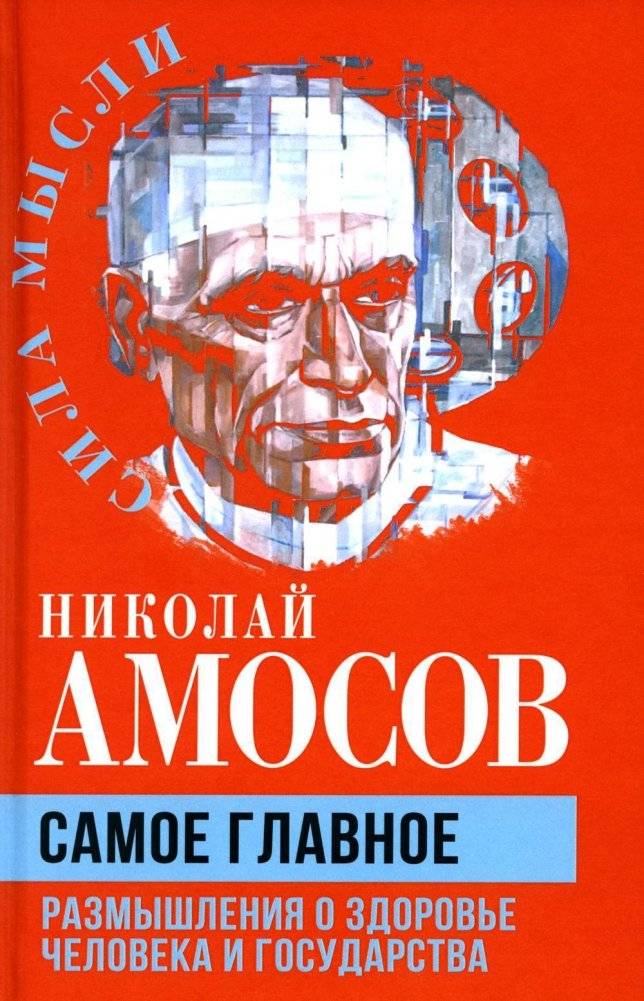
Николай Михайлович Амосов, врач мирового имени, добровольно пошёл в армию в первый день Великой Отечественной войны и был назначен хирургом в полевой госпиталь. В своих мемуарах он показывает войну глазами врачей, спасавших раненых в боях под Москвой, Сталинградом, на Украине, в Венгрии, Германии, а затем на Дальнем Востоке и в войне с Японией. Автор описывает страдания, мужество, грязь и кровь, сочетая трагические и иногда комические стороны конфликта. Книга наполнена глубокими размышлениями о времени Сталина, сущности сталинизма и о трансформации советской системы вплоть до её краха в период «перестройки». Выпущена в серии «Моя война» на русском языке.
Кому подойдёт
- Любители истории Второй мировой войны
- Студенты и практикующие медики, интересующиеся историей полевой медицины
- Читатели, ценящие автобиографические военные воспоминания
- Исследователи советского общества и сталинизма
- Широкая аудитория, желающая получить живой и достоверный образ фронта
Ключевые особенности
- Автор: Николай Михайлович Амосов, врач мирового уровня, известный операциями на сердце
- Мемуары хирурга‑военнослужащего, начавшего службу в первый день Великой Отечественной войны
- Описывает сражения под Москвой, Сталинградом, на Украине, в Венгрии, Германии, на Дальнем Востоке и войну с Японией
- 256 страниц, твёрдый переплёт, издательство «Родина», 2021 г., ISBN 9785001801368
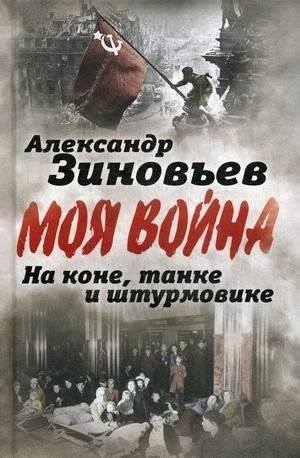
- Входит в серию «Моя война», написано на русском языке
Overview
Nikolai Mikhailovich Amosov, a world‑renowned heart surgeon, volunteered for the Red Army at the outbreak of the Great Patriotic War and served as a field‑hospital surgeon. The memoir presents the war through the eyes of doctors who treated the wounded in battles ranging from Moscow and Stalingrad to Ukraine, Hungary, Germany, the Far East and the conflict with Japan. Amosov describes the suffering, courage, mud and blood of the front, mixing tragic and sometimes comic aspects as they truly occurred. The book also offers deep reflections on Stalin’s era, the nature of Stalinism, and the transformation of the Soviet system up to its collapse during perestroika. It is published in Russian as part of the "My War" series.
Who it's for
- Readers interested in World War II history
- Medical students and professionals seeking historical perspectives on battlefield medicine
- Fans of memoirs and personal wartime narratives
- Scholars studying Soviet society and Stalinist era
- General audience looking for a vivid, factual account of the Eastern Front
Key features
- Author: Nikolai Mikhailovich Amosov, internationally renowned heart surgeon
- First‑hand account of a military surgeon from the first day of the Great Patriotic War
- Covers battles from Moscow and Stalingrad to Ukraine, Hungary, Germany, the Far East and the war with Japan
- 256 pages, hardcover, published by Rodina in 2021 (ISBN 9785001801368)
- Part of the "My War" series, written in Russian