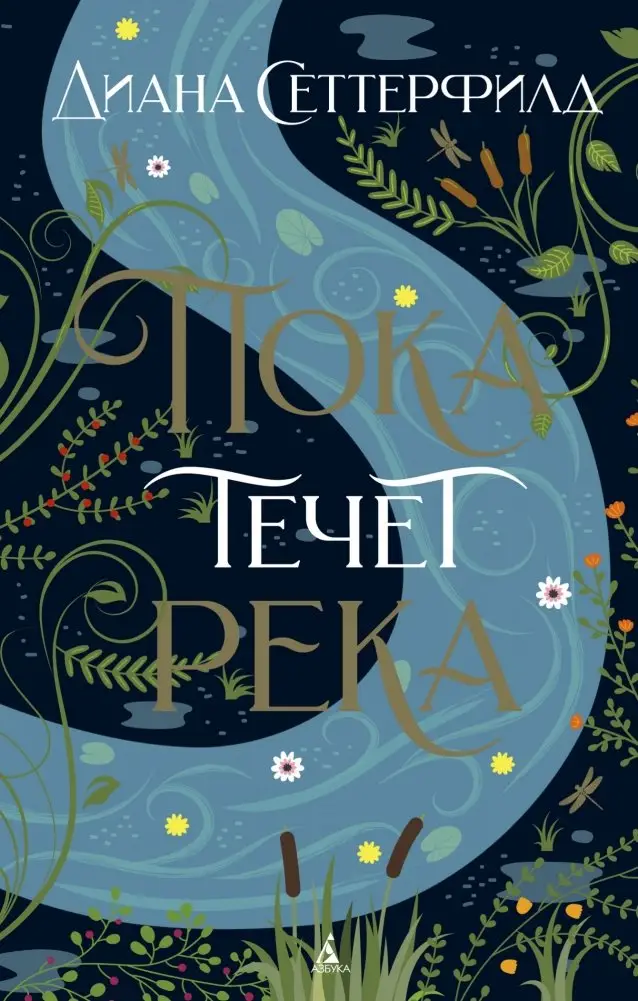
Пока течет река | While the River Flows
- Language
- русский
- Age
- 16+
- Pages
- 512
- Year
- 2024
Диана Сеттерфилд
Обзор
В самый темный день года, в древний трактир «Лебедь» на берегу Темзы прибывает израненный незнакомец с мертвой девочкой. Несколько часов спустя девочка оказывается живой, вызывая вопросы о чуде, магии или научном объяснении. Ее личность также загадочна: она может быть пропавшей дочерью четы Воган или внучкой фермера Роберта Армстронга. Трактир «Лебедь» известен как место, где люди делятся историями, от анекдотов до легенд, и история девочки вплетается в эту многовековую традицию рассказывания.
Кому подойдёт
- Любителям загадочных историй с элементами мистики.
- Читателям, предпочитающим атмосферные произведения.
- Поклонникам творчества Дианы Сеттерфилд.
Ключевые особенности
- Язык: русский
- Страниц: 512
- Тип обложки: мягкая обложка
- Издательство: Азбука
- Серия: The Big Book (мягкая обложка)
- ISBN: 9785389186989
Diane Setterfield
Overview
On the darkest night of the year, the winter solstice, a wounded stranger arrives at the ancient "Swan" inn on the Thames, carrying a dead girl. Hours later, the girl is alive, prompting questions about miracles, magic, or scientific explanations. Her identity is also a mystery: she could be the long-lost daughter of Mr. and Mrs. Vaughan or the granddaughter of farmer Robert Armstrong, whom he had only recently learned about. The "Swan" is renowned not just as an old inn, but as a place for sharing stories, from jokes to ancient legends, and the tale of the mysterious girl becomes woven into this centuries-old tapestry of narrative.
Who it's for
- Readers who enjoy mysterious and atmospheric tales.
- Fans of magical realism and folklore-infused narratives.
- Those interested in stories set in historical inns and by rivers.
Key features
- Language: Russian
- Pages: 512
- Binding: Softcover
- Publisher: Azbuka
- Series: The Big Book (softcover)
- ISBN: 9785389186989
More by Сеттерфилд Диана
All books by this author

From the series The Big Book (мягкая обложка)
Whole series

More on the shelf Мистическая фантастика
Browse the shelf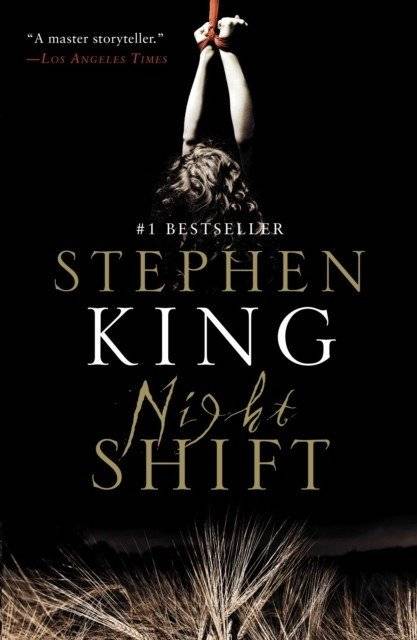 Ночная смена | Night Shift$46.99
 Инферно | Inferno$24.99
 Бегущий человек | The Running Man$38.99
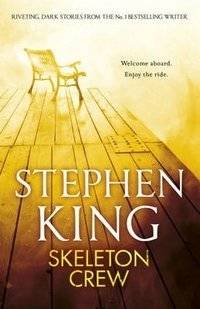 Команда скелетов | Skeleton Crew$57.99
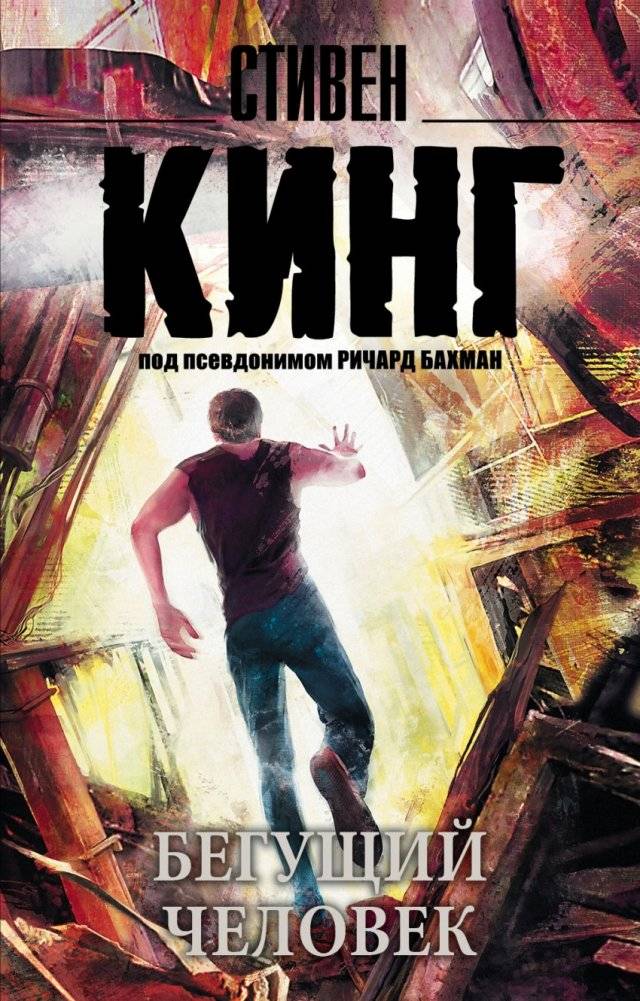 Бегущий человек | The Running Man$21.99
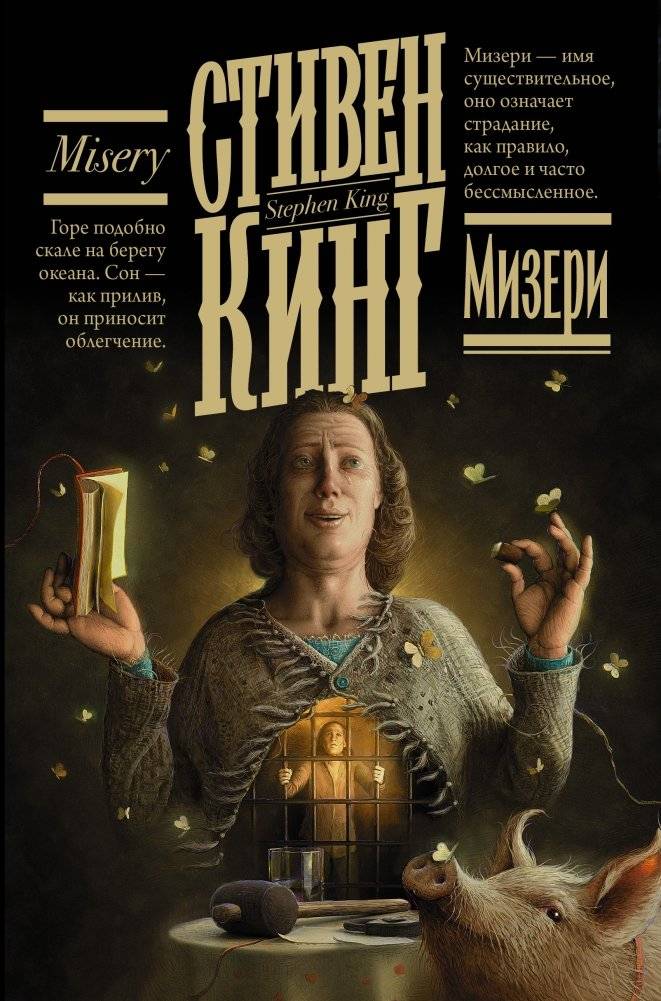 Мизери | Misery$55.99
 Дом на краю ночи | The House at the Edge of Night$52.99
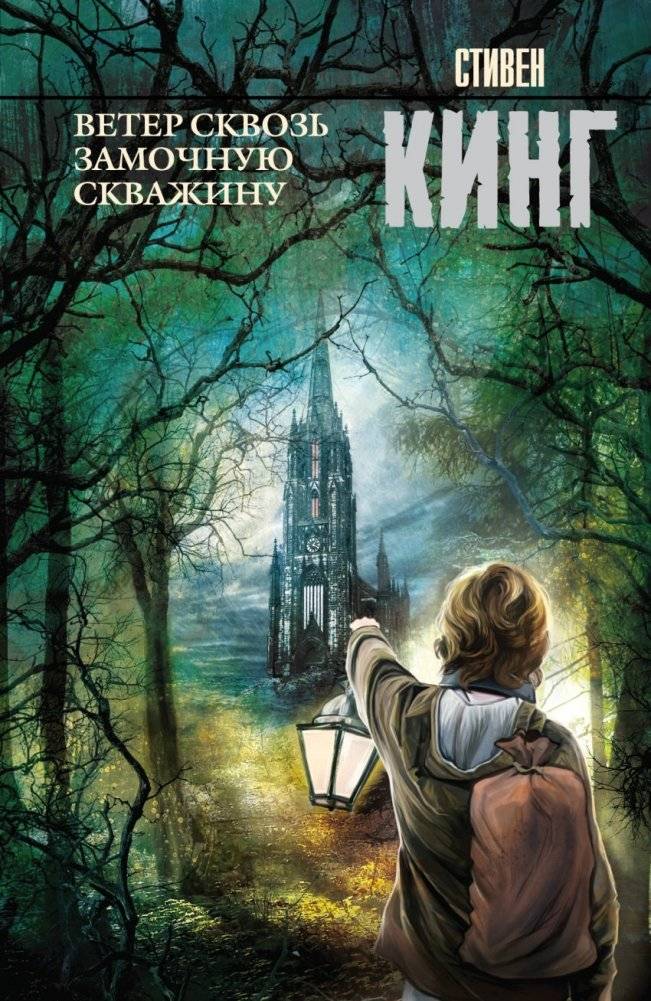 Ветер сквозь замочную скважину | The Wind Through the Keyhole$32.99
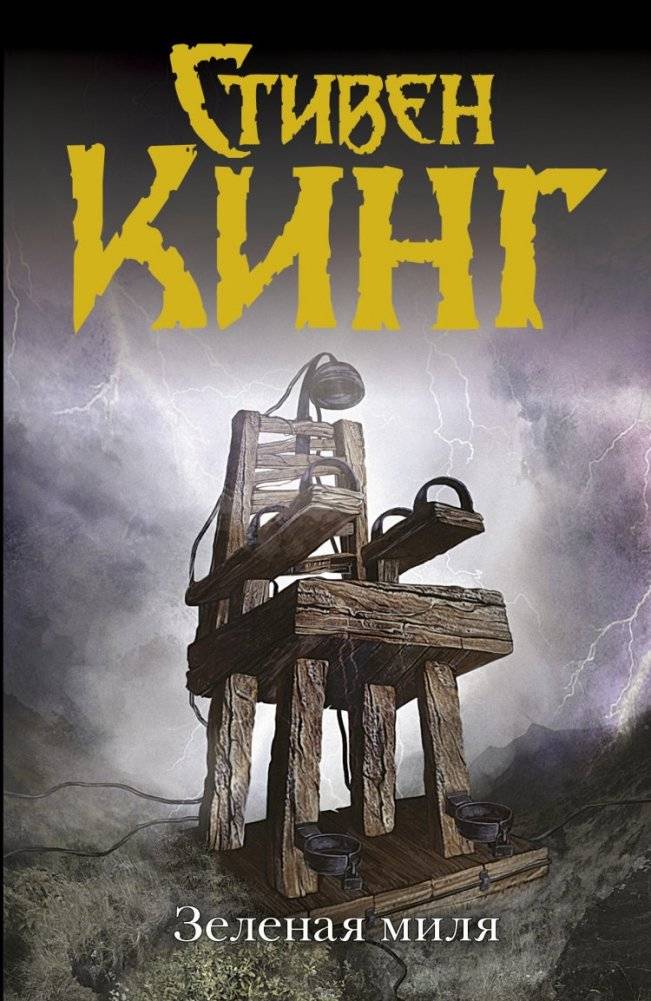 Зеленая миля | The Green Mile$38.99
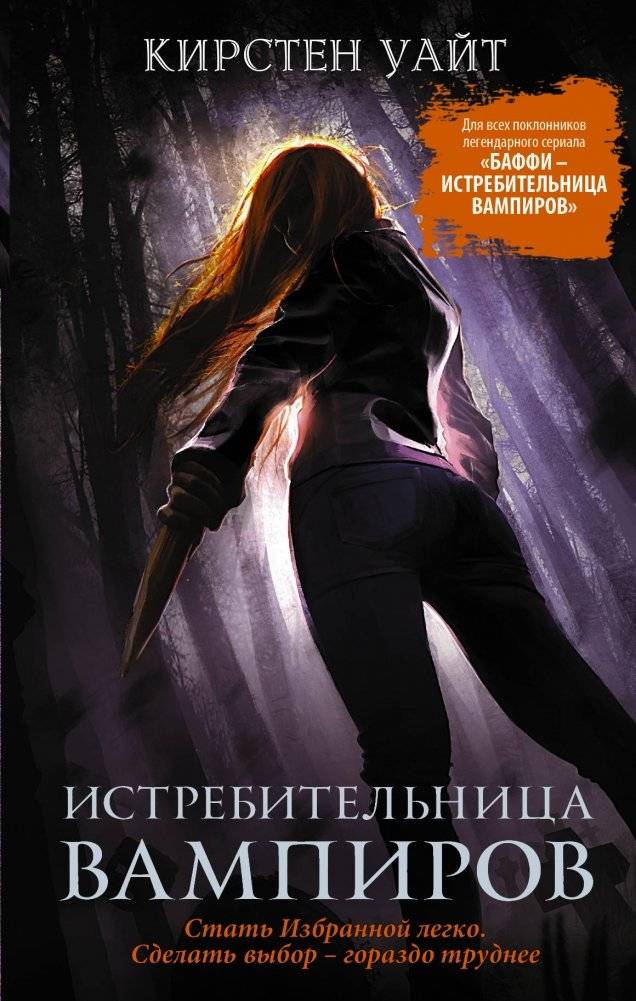 Истребительница вампиров | Vampire Hunter$50.99
 Нетороплив наш тлен | Our Decay Is Unhurried$51.99
 Итан слушает | Ethan Listens$31.99