 US: 2-4 weeks,
  Europe: 1-2 weeks, 🌍 Worldwide: 1-4 weeks ✈️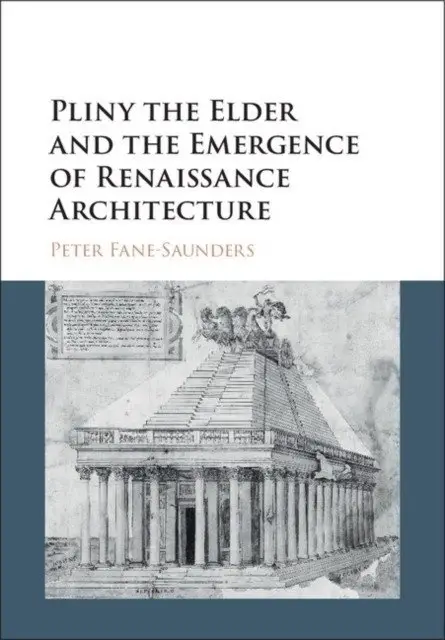
Плиний Старший и становление архитектуры Возрождения | Pliny the Elder and the Emergence of Renaissance Architecture
By Fane-Saunders
Pliny the Elder and the Emergence of Renaissance Architecture
Fane-Saunders, 2016
Overview
Pliny the Elder's Naturalis historia offered Renaissance scholars, artists, and architects unique insights into ancient architectural practices and lost wonders. These descriptions often detailed building dimensions, construction materials, and ornamentation, information scarce elsewhere in classical texts. This book investigates how these passages were interpreted between approximately 1430 and 1580, tracing the evolving attitudes towards Pliny's work from Alberti to Palladio. Organized chronologically across three interconnected sections—antiquarianism, architectural writings, and drawings and built monuments—it highlights the Naturalis historia's significance as a primary literary source, second only to Vitruvius's De architectura.
Who it's for
- Scholars of Renaissance art and architecture
- Students of classical reception
- Readers interested in the history of architectural theory
- Those studying the influence of ancient texts on later periods
Key features
- Hardback edition
- Published in 2016
- 510 pages
- ISBN: 9781107079861
- Published by Cambridge Academic