1 / 5
1 / 5
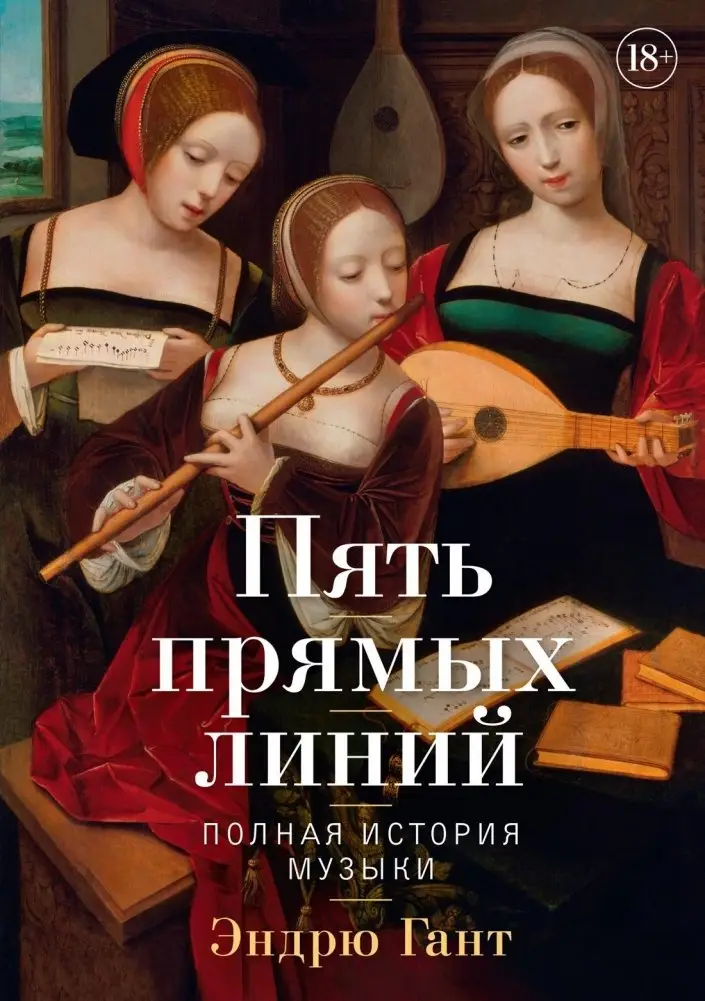
Пять прямых линий: Полная история музыки | Five Straight Lines: A Complete History of Music
by Гант Эндрю
твердая обложка
ISBN: 9785389206700
Обзор
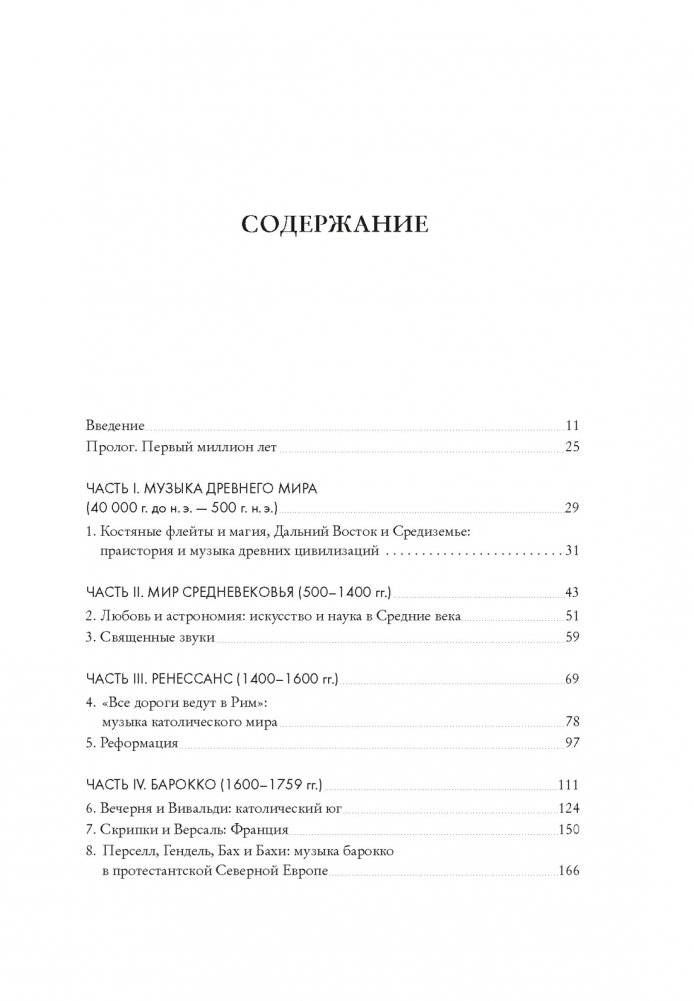
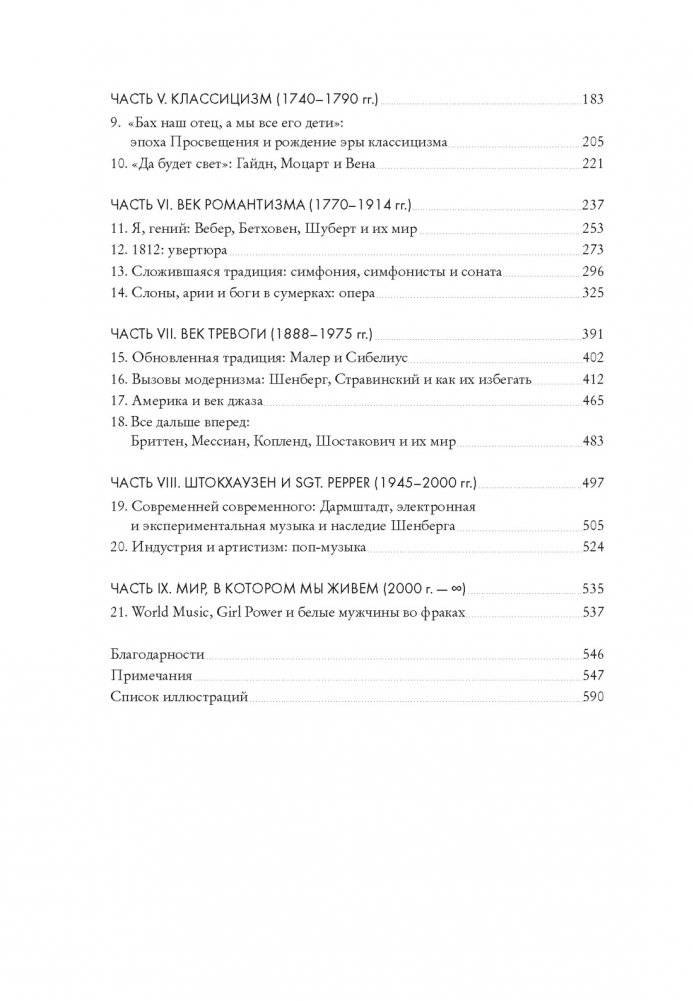
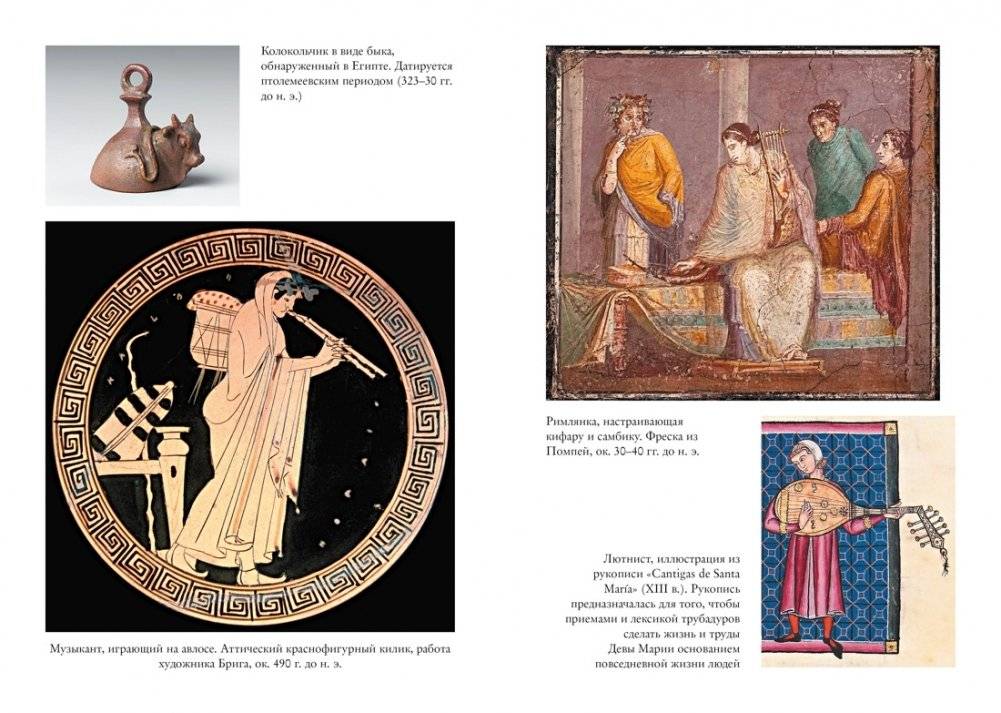
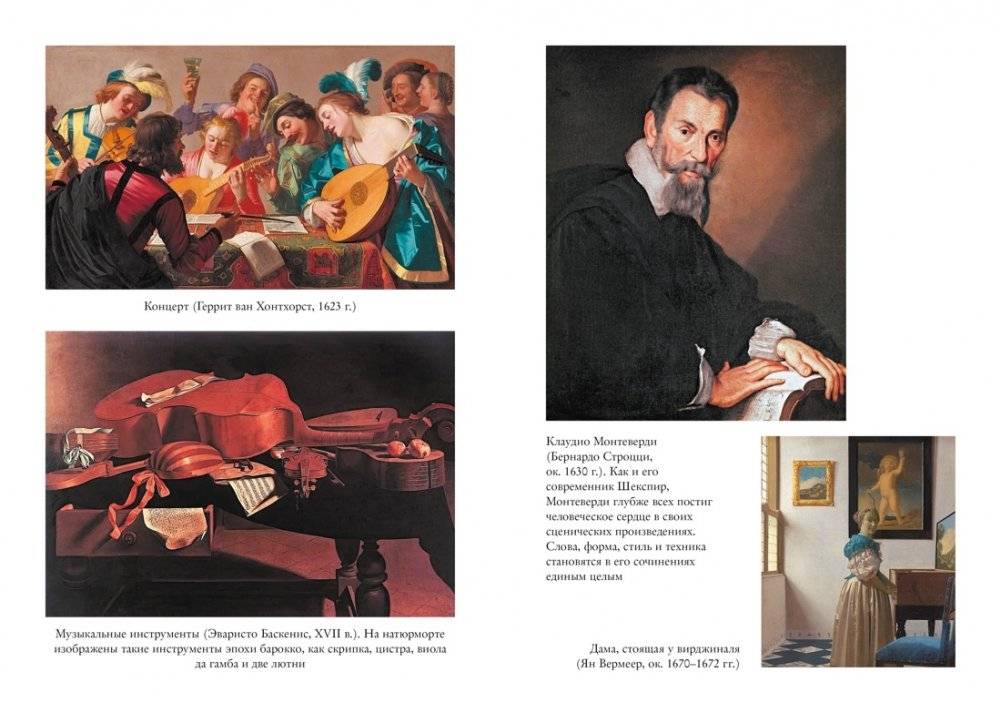
Книга британского композитора Эндрю Ганта представляет полную историю музыки, исследуя ее влияние на мир от древности до наших дней. Автор прослеживает развитие музыки от первых звуков до произведений Бетховена и современных мюзиклов. Произведение помещает историю музыки в контекст ключевых исторических событий и культурных эпох.
Кому подойдёт
- Любители истории музыки
- Поклонники классической и современной музыки
- Исследователи культурного влияния искусства
Ключевые особенности
- Автор: Эндрю Гант, британский композитор и писатель
- Полная история музыки от истоков до современности
- 592 страницы, твердый переплет
- Издательство КоЛибри, серия "Исторический интерес"
Overview
British composer Andrew Gant presents a complete history of music, exploring its influence on the world from ancient times to the present day. The author traces the evolution of music from its very first sounds to the works of Beethoven and modern musicals. This book places the history of music within the context of key historical events and cultural epochs.
Who it's for
- Music history enthusiasts
- Fans of classical and contemporary music
- Students of the cultural influence of art
Key features
- Author: Andrew Gant, British composer and writer
- Comprehensive history of music from origins to modern day
- 592 pages, hardcover edition
- Published by KoLibri, "Historical Interest" series