 US: 2-4 weeks,
  Europe: 1-2 weeks, 🌍 Worldwide: 1-4 weeks ✈️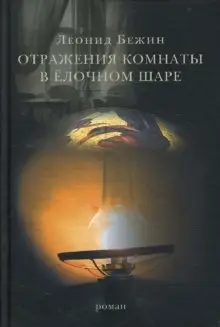
Отражения комнаты в елочном шаре | Reflections of a Room in a Christmas Bauble
By Бежин Леонид Евгеньевич
Отражения комнаты в елочном шаре
Обзор
Роман известного мастера современной прозы Леонида Бежина «Отражения комнаты в елочном шаре» погружает читателя в атмосферу Москвы 1950-х и 1960-х годов. Произведение детально описывает быт и ключевые моменты эпохи: возвращение людей из сталинских лагерей, празднование Нового года в арбатских коммуналках, поездки на дачу и появление первых английских школ. Московская тематика органично переплетается с глубокими библейскими мотивами, где события эпохи осмысливаются через призму образов апостолов и евангелистов. Приглушенная матовая гамма повествования, как отмечает Лев Аннинский, снимает ощущение сюжетной пестроты, родня Бежина с классиками русского психологического реализма. Это вдумчивое и сочувствующее исследование человеческих судеб, продолжающее традиции послебулгаковской русской прозы.
Кому подойдёт
- Читатели, интересующиеся историей и бытом Москвы середины XX века.
- Поклонники русской психологической прозы и реализма.
- Любители произведений с глубокими философскими и библейскими аллюзиями.
- Те, кто ценит авторский взгляд на возвращение из сталинских репрессий.
- Исследователи творчества Леонида Бежина и послебулгаковской литературы.
Ключевые особенности
- Автор: Леонид Евгеньевич Бежин, известный мастер современной прозы.
- Исторический роман, действие которого разворачивается в Москве 1950-х и 1960-х годов.
- Освещает темы послевоенного восстановления, праздничных традиций и культурных сдвигов.
- Глубокое переплетение московских реалий с библейскими мотивами.
- Отмечен литературным критиком Львом Аннинским за русский психологический реализм.
- 464 страницы, твердый переплёт, издательство «Книжный Клуб 36.6», 2008 год.
Reflections of a Room in a Christmas Bauble
Overview
Leonid Bezhin's novel, "Reflections of a Room in a Christmas Bauble," transports readers into the vivid atmosphere of Moscow during the 1950s and 1960s. This work by the renowned master of contemporary prose meticulously details the daily life and pivotal moments of the era, including the return of individuals from Stalin's camps, New Year celebrations in Arbat communal apartments, dacha excursions, and the emergence of the first English schools. The Moscovite setting is organically intertwined with profound biblical motifs, as the events of the period are interpreted through the lens of apostles and evangelists. As noted by Lev Anninsky, the narrative's muted, subdued tone avoids narrative fragmentation, linking Bezhin to the classics of Russian psychological realism. It is a thoughtful and compassionate exploration of human destinies, continuing the traditions of post-Bulgakov Russian prose.
Who it's for
- Readers interested in the history and daily life of Moscow in the mid-20th century.
- Admirers of Russian psychological prose and realism.
- Those who appreciate works with profound philosophical and biblical allusions.
- Individuals valuing an author's perspective on returning from Stalinist repressions.
- Scholars and enthusiasts of Leonid Bezhin's work and post-Bulgakov literature.
Key features
- Author: Leonid Evgenievich Bezhin, a recognized master of contemporary prose.
- Historical novel set in Moscow during the transformative 1950s and 1960s.
- Explores themes of post-war recovery, holiday traditions, and significant cultural shifts.
- Features a deep interweaving of Moscovite realities with profound biblical motifs.
- Praised by literary critic Lev Anninsky for its Russian psychological realism.
- 464 pages, hardcover binding, published by "Book Club 36.6" in 2008.