 US: 2-4 weeks,
  Europe: 1-2 weeks, 🌍 Worldwide: 1-4 weeks ✈️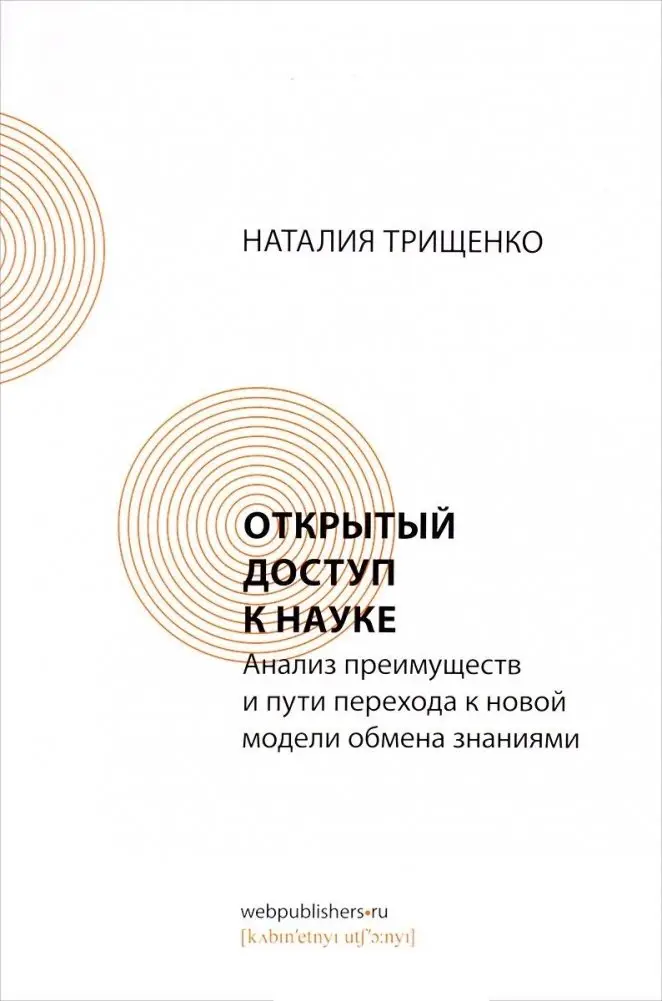
Открытый доступ к науке. Анализ преимуществ и пути перехода к новой модели обмена знаниями | Open Access to Science: Analyzing Benefits and Transition Paths to a New Model of Knowledge Exchange
By Трищенко Наталия Дмитриевна
📖мягкая обложка
$25.99In stock
Code: 9785758401545
Открытый доступ к науке. Анализ преимуществ и пути перехода к новой модели обмена знаниями
Обзор
Анализ преимуществ и пути перехода к новой модели обмена знаниями Обзор Кому подойдёт Для тех, кто интересуется вопросами открытого доступа к научным знаниям Ключевые особенности
Кому подойдёт
- Анализ преимуществ и пути перехода к новой модели обмена знаниями Обзор Кому подойдёт Для тех, кто интересуется вопросами открытого доступа к научным знаниям Ключевые особенности
Ключевые особенности
- Анализ преимуществ и пути перехода к новой модели обмена знаниями Обзор Кому подойдёт Для тех, кто интересуется вопросами открытого доступа к научным знаниям Ключевые особенности
Open Access to Science: Analyzing Benefits and Transition Paths to a New Model of Knowledge Exchange
Overview
Open Access to Science: Analyzing Benefits and Transition Paths to a New Model of Knowledge Exchange Overview Who it's for Those interested in open access to scientific knowledge Key features
Who it's for
- Open Access to Science: Analyzing Benefits and Transition Paths to a New Model of Knowledge Exchange Overview Who it's for Those interested in open access to scientific knowledge Key features
Key features
- Open Access to Science: Analyzing Benefits and Transition Paths to a New Model of Knowledge Exchange Overview Who it's for Those interested in open access to scientific knowledge Key features