 US: 2-4 weeks,
  Europe: 1-2 weeks, 🌍 Worldwide: 1-4 weeks ✈️
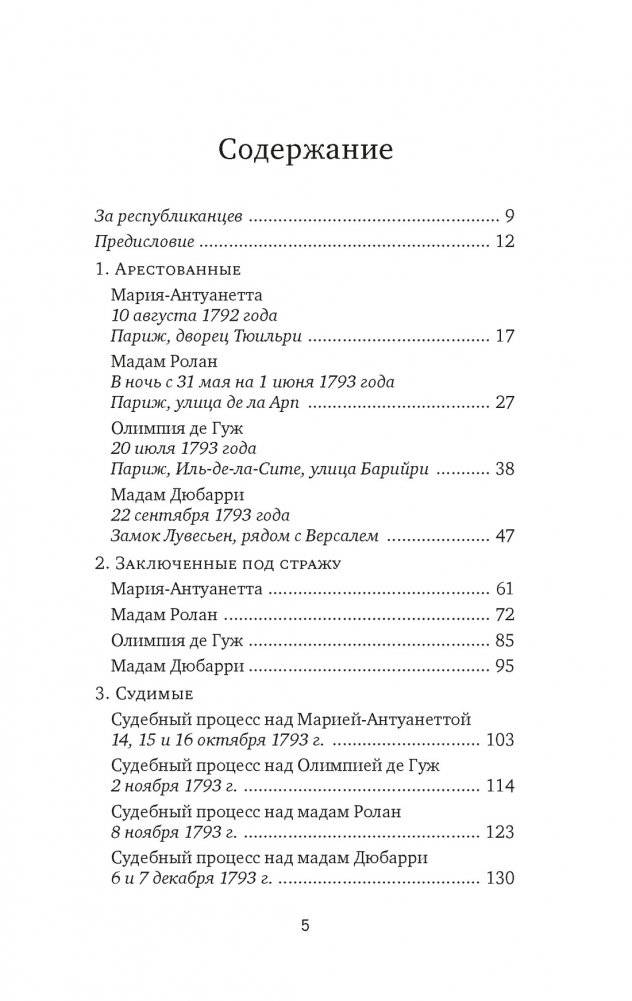
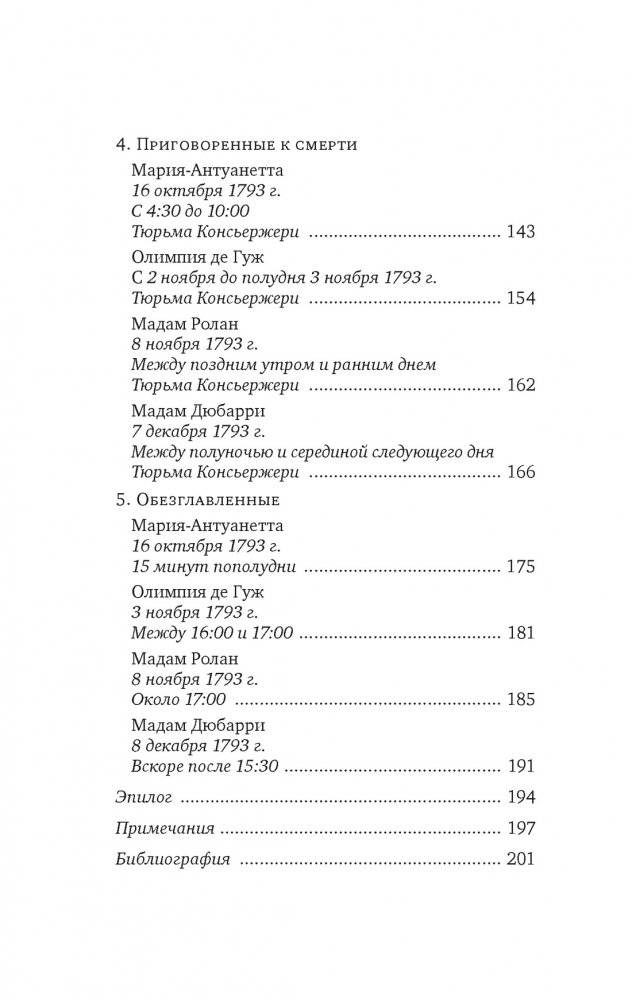
Обезглавленные: Трагическая история Марии-Антуанетты, мадам Дюбарри, мадам Ролан и Олимпии де Гуж | The Decapitated: The Tragic Story of Marie Antoinette, Madame du Barry, Madame Roland, and Olympe de Gouges
By Берли Сесиль
Обезглавленные: Трагическая история Марии-Антуанетты, мадам Дюбарри, мадам Ролан и Олимпии де Гуж
Сесиль Берли, 2025
Обзор
В разгар Французской революции 1793 года четыре влиятельные женщины предстали перед судом Республики. Среди них законодательница вкусов мадам Ролан, защитница прав женщин Олимпия де Гуж, бывшая фаворитка Людовика XV мадам Дюбарри и королева Мария-Антуанетта. Все они стали жертвами революции и гильотины. Историк Сесиль Берли подробно описывает их последние дни, от ареста до казни. Книга исследует их внутренний мир, переживания во время унижений и страха смерти, а также подготовку к эшафоту.
Кому подойдёт
- Интересующимся историей Французской революции.
- Любителям биографий выдающихся женщин.
- Читателям, предпочитающим документальную прозу.
- Возрастная категория 16+.
Ключевые особенности
- Автор: Сесиль Берли
- Издательство: КоЛибри
- Серия: Женщины в истории
- Тип обложки: твердая обложка
- Год издания: 2025
- Количество страниц: 208
- ISBN: 9785389257597
The Decapitated: The Tragic Story of Marie Antoinette, Madame du Barry, Madame Roland, and Olympe de Gouges
Cécile Berli, 2025
Overview
In the midst of the French Revolution in 1793, four influential women faced the Republic's judgment. These included Madame Roland, a trendsetter; Olympe de Gouges, a staunch advocate for women's rights; Madame du Barry, the extravagant former mistress of Louis XV; and Queen Marie Antoinette. All became victims of the revolution and its infamous instrument, the guillotine. Historian Cécile Berli meticulously reconstructs their final days, from arrest to execution. The book delves into their inner thoughts, their experiences with public humiliation and the constant threat of death, and their preparations for the scaffold.
Who it's for
- Readers interested in the history of the French Revolution.
- Those who enjoy biographies of notable women.
- Individuals who prefer non-fiction narratives.
- Recommended for ages 16 and up.
Key features
- Author: Cécile Berli
- Publisher: KoLibri
- Series: Women in History
- Binding: Hardcover
- Publication Year: 2025
- Page Count: 208
- ISBN: 9785389257597