 US: 2-4 weeks,
  Europe: 1-2 weeks, 🌍 Worldwide: 1-4 weeks ✈️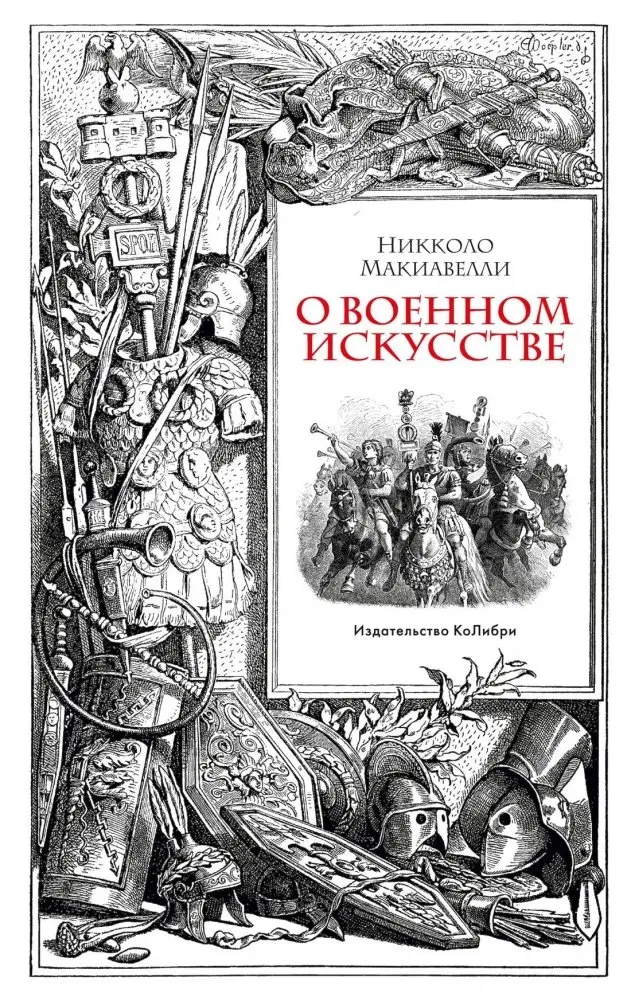
О военном искусстве | On War (Machiavelli)
By Макиавелли Никколо
О военном искусстве
Обзор
Никколо Макиавелли — флорентийский государственный секретарь, писатель, историк и военный теоретик, известный прежде всего благодаря трактату «Государь». В данном издании представлена его менее известная работа «О военном искусстве», признанная одной из величайших в истории теории войны. Трактат излагает оригинальные идеи, оказавшие огромное влияние на развитие западного военного мышления, подкреплённые примерами великих побед и поражений древности. Новое русское издание 2023 года включает свежий перевод, вводную статью и подробные примечания, раскрывающие исторический контекст и современную значимость книги.
Кому подойдёт
- Студенты исторических, политических и военных факультетов
- Любители ренессансной политической мысли
- Взрослые и старшие подростки (16+) интересующиеся стратегией
- Учёные, ищущие качественный русский перевод с комментариями
Ключевые особенности
- Автор: Никколо Макиавелли, известный мыслитель эпохи Возрождения и военный теоретик
- Издание 2023 года, издательство «Азбука», серия «Человек Мыслящий. Идеи, способные изменить мир»
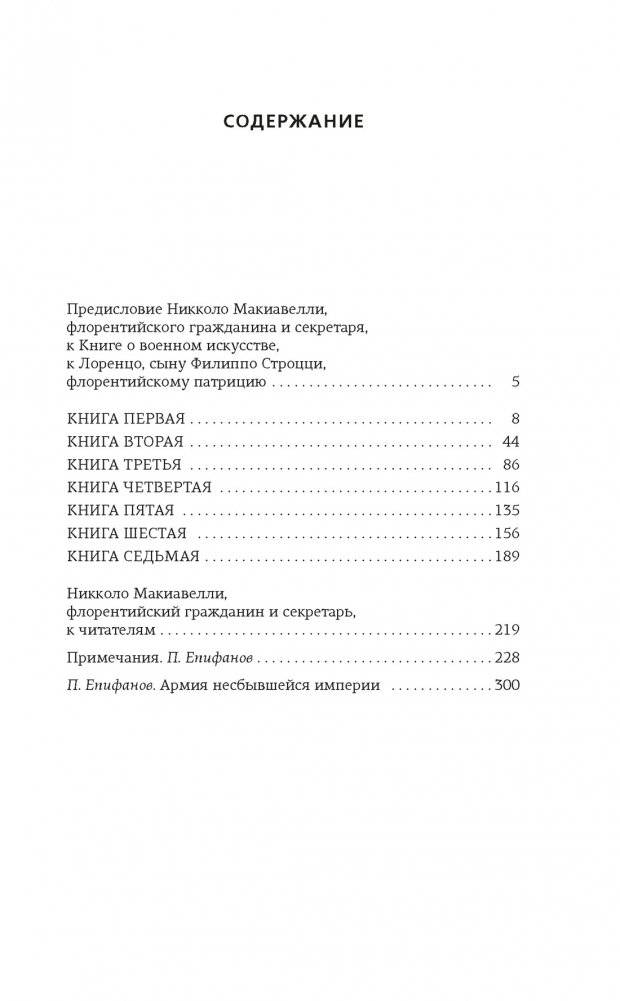
- 352 страницы, интегральный переплет
- Новый перевод на русский язык с подробными примечаниями и вводной статьёй
- Возрастная рекомендация 16+, подходит для изучающих историю, политику и военное дело
On War (Machiavelli)
Overview
Niccolò Machiavelli, the Florentine statesman, writer, historian and military theorist, is best known for his political treatise "The Prince". This volume presents his lesser‑known work "On War", a classic of military theory that stands alongside the greatest treatises on warfare. The book introduces the original ideas that shaped Western military thought, illustrated with numerous examples of ancient victories and defeats. The 2023 Russian edition offers a fresh translation, an introductory article, and detailed notes that clarify the historical context and relevance for modern readers.
Who it's for
- Students of history, political science and military studies
- Readers interested in Renaissance political thought
- Adults and mature teens (16+) seeking a classic work on strategy
- Scholars looking for a well‑annotated Russian translation
Key features
- Author: Niccolò Machiavelli, renowned Renaissance political thinker and military theorist
- Published in 2023 by Azbuka in the series "The Thinking Man. Ideas That Can Change the World"
- 352 pages, integral hard cover (integral binding)
- New Russian translation with extensive scholarly notes and an introductory article
- Target age group 16+, suitable for students of history, political science, and military strategy