 US: 2-4 weeks,
  Europe: 1-2 weeks, 🌍 Worldwide: 1-4 weeks ✈️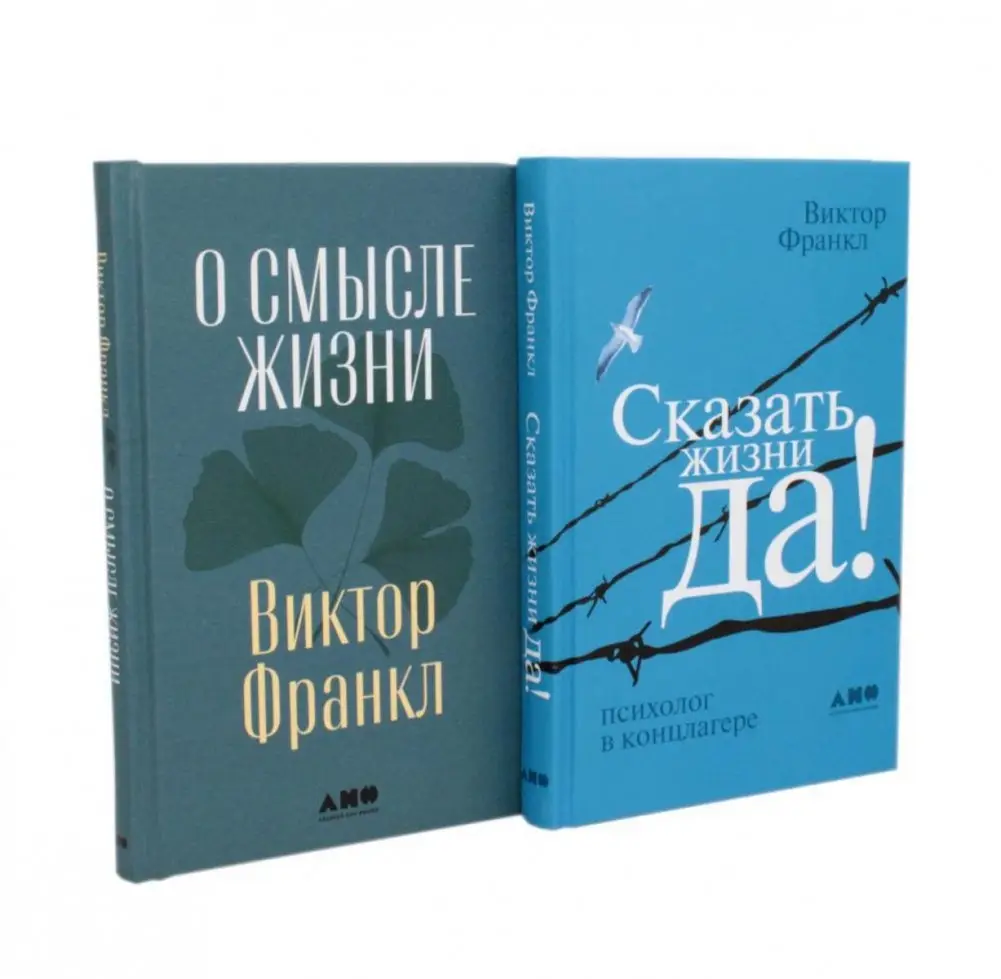
О смысле жизни; Сказать жизни «ДА!»: психолог в концлагере (комплект из 2-х книг) | On the Meaning of Life; Say Yes to Life!: A Psychologist in a Concentration Camp (2-Book Set)
By Франкл Виктор Эмиль
📘твердая обложка
$22.99In stock
Code: 9785521829675
О смысле жизни; Сказать жизни «ДА!»: психолог в концлагере (комплект из 2-х книг)
Обзор
Комплект из двух ключевых работ Виктора Франкла: «О смысле жизни» и «Сказать жизни «ДА!». В этих книгах знаменитый психолог и выживший узник концлагеря раскрывает путь к обретению смысла жизни даже в самых экстремальных условиях. Труды Франкла, основанные на его личном опыте и глубоких психологических прозрениях, остаются актуальными и вдохновляющими.
Кому подойдёт
- Ищущим смысл и цель в жизни
- Интересующимся психологией, философией и саморазвитием
- Тем, кто пережил трудные времена и ищет внутреннюю опору
- Последователям и почитателям трудов Виктора Франкла
Ключевые особенности
- Включает две книги: «О смысле жизни» и «Сказать жизни «ДА!»
- Содержит ранее не публиковавшиеся на русском языке лекции 1946 года
- Авторский опыт узника нацистских лагерей как основа для размышлений
- Исследование экзистенциальной психологии и логотерапии
- Издание 2024 года, 403 стр., твердая обложка, вес 424 гр.
On the Meaning of Life; Say Yes to Life!: A Psychologist in a Concentration Camp (2-Book Set)
Overview
This set features two seminal works by Viktor Frankl: 'On the Meaning of Life' and 'Say Yes to Life!'. In these books, the renowned psychologist and concentration camp survivor explores the path to finding meaning, even amidst extreme adversity. Frankl's writings, rooted in his personal experience and profound psychological insights, remain timeless and inspiring.
Who it's for
- Those seeking meaning and purpose in life
- Individuals interested in psychology, philosophy, and self-development
- People who have overcome difficult times and seek inner resilience
- Followers and admirers of Viktor Frankl's works
Key features
- Includes two books: 'On the Meaning of Life' and 'Say Yes to Life!'
- Features previously unpublished lectures from 1946 in Russian
- Author's experience as a Nazi camp survivor, forming the basis for reflection
- Exploration of existential psychology and logotherapy
- 2024 edition, 403 pages, hardcover, 424g weight