 US: 2-4 weeks,
  Europe: 1-2 weeks, 🌍 Worldwide: 1-4 weeks ✈️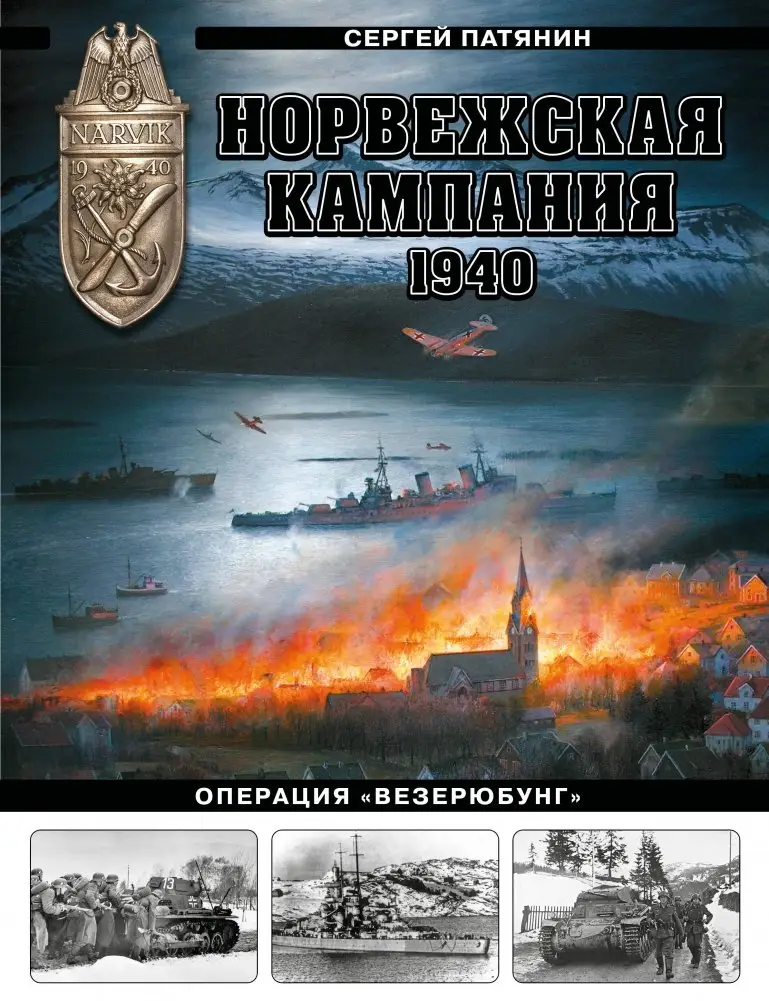
Норвежская кампания 1940 г. Операция «Везерюбунг» | The Norwegian Campaign of 1940: Operation Weserübung
By Патянин Сергей Владимирович
Норвежская кампания 1940 г. Операция «Везерюбунг»
Патянин Сергей Владимирович, 2025, Серия «Война на суше»
Обзор
Книга посвящена детальному анализу Норвежской кампании 1940 года, известной также как операция «Везерюбунг». Этот период стал переломным моментом в начале Второй мировой войны, когда Германия вторглась в нейтральные Норвегию и Данию. Автор подробно рассматривает политические предпосылки, стратегическое планирование и ход боевых действий, раскрывая значение этой операции для дальнейшего хода войны.
Особое внимание уделяется роли Норвегии в обеспечении поставок шведской железной руды, необходимой для военной промышленности Германии, а также стремлению предотвратить блокаду со стороны Великобритании. В книге анализируются инновационные военные тактики, впервые примененные в ходе этой кампании, включая масштабные десантные операции и использование авиации в морских сражениях. Рассматривается влияние оккупации Норвегии на контроль над стратегическими ресурсами и создание плацдарма для действий в Северной Атлантике.
Автор исследует взаимосвязь Норвежской кампании с последующими событиями на Восточном фронте, включая ожесточенные бои в Заполярье и роль Полярных конвоев. Подробно описывается взаимодействие союзников по антигитлеровской коалиции, которые в 1940 году еще находились в состоянии войны друг с другом.
Кому подойдёт
- Любителям военной истории, интересующимся событиями Второй мировой войны.
- Исследователям, изучающим стратегические операции и тактику ведения боевых действий.
- Читателям, интересующимся историей Северной Европы в период Второй мировой войны.
- Всем, кто хочет узнать о роли Норвегии в глобальном конфликте.
Ключевые особенности
- Твердая обложка обеспечивает долговечность издания.
- 304 страницы, наполненные подробным анализом и историческими фактами.
- Издательство «Яуза-пресс ООО», специализирующееся на военной истории.
- Редкие фотографии, иллюстрирующие события Норвежской кампании.
- ISBN 9785995512585 для удобного поиска и заказа книги.
- Серия «Война на суше», представляющая лучшие работы по военной истории.
- Возрастное ограничение 16+, что гарантирует серьезный и глубокий подход к теме.
The Norwegian Campaign of 1940: Operation Weserübung
Sergei Vladimirovich Patianin, 2025, War on Land Series
Overview
This book provides a detailed analysis of the Norwegian Campaign of 1940, also known as Operation Weserübung, a pivotal moment at the outset of World War II when Germany invaded neutral Norway and Denmark. The author meticulously examines the political context, strategic planning, and course of military operations, revealing the significance of this campaign for the subsequent course of the war. It explores the strategic importance of Norway in securing the supply of Swedish iron ore, essential for Germany's war industry, and preventing a blockade by Great Britain.
The book analyzes the innovative military tactics first employed during this campaign, including large-scale amphibious landings and the use of air power in naval battles. It considers the impact of the occupation of Norway on controlling strategic resources and establishing a base of operations in the North Atlantic. The author investigates the connection between the Norwegian Campaign and later events on the Eastern Front, including the fierce battles in the Arctic and the role of the Arctic convoys. The interaction of the Allies in the anti-Hitler coalition, who were still at war with each other in 1940, is described in detail.
Through meticulous research and analysis, the book offers a comprehensive understanding of the Norwegian Campaign's strategic, tactical, and political dimensions, making it an invaluable resource for military historians, students, and anyone interested in the complexities of World War II.
Who it's for
- Military history enthusiasts interested in the events of World War II.
- Researchers studying strategic operations and combat tactics.
- Readers interested in the history of Northern Europe during World War II.
- Anyone seeking to understand Norway's role in the global conflict.
Key features
- Hardcover binding ensures the durability of the edition.
- 304 pages filled with detailed analysis and historical facts.
- Published by Yauza-press LLC, specializing in military history.
- Rare photographs illustrating the events of the Norwegian Campaign.
- ISBN 9785995512585 for easy searching and ordering of the book.
- Part of the "War on Land" series, showcasing the best works on military history.
- Age restriction of 16+ ensures a serious and in-depth approach to the topic.