 US: 2-4 weeks,
  Europe: 1-2 weeks, 🌍 Worldwide: 1-4 weeks ✈️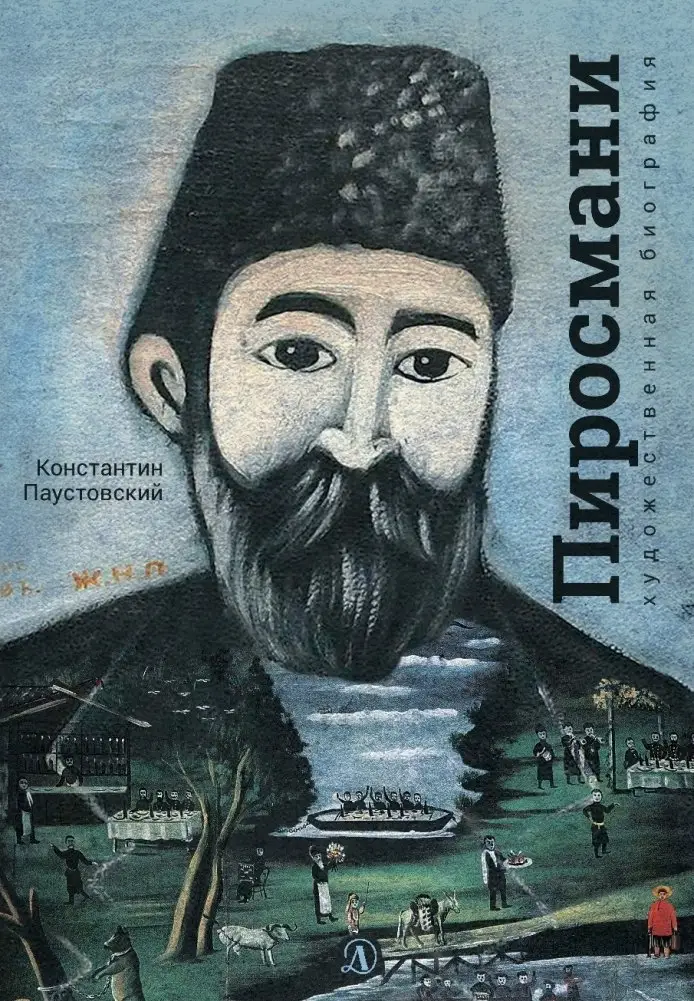
Нико Пиросмани | Niko Pirosmani
By Паустовский Константин Георгиевич
Нико Пиросмани
Обзор
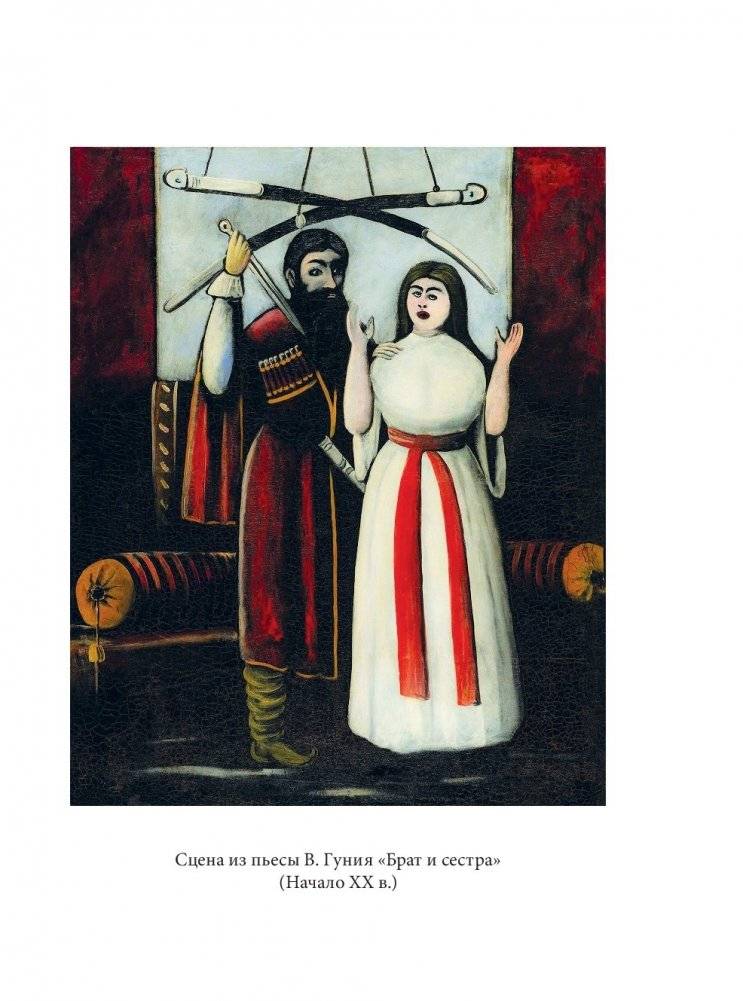
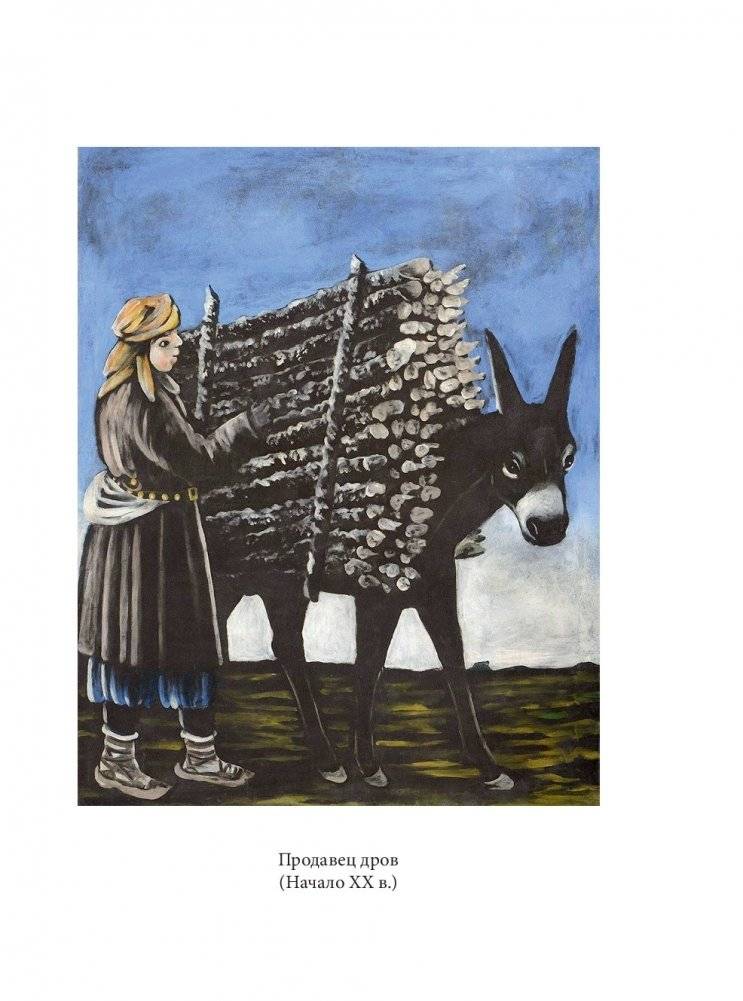
В книге представлена самая авторитетная версия легендарной истории любви грузинского художника Нико Пиросмани и французской певицы Маргариты де Севр, ставшей темой песни «Миллион алых роз». Текст написан Константином Паустовским и послужил источником вдохновения для Андрея Вознесенского, одного из авторов песни. Издание сопровождается известными репродукциями работ Пиросмани, позволяющими увидеть его творчество в контексте рассказа. Книга рассчитана на читателей от 12 лет, объёмом 40 страниц в твёрдом переплёте.
Кому подойдёт
- Ученики, изучающие историю искусства и русскую литературу
- Читатели от 12 лет, интересующиеся культурными легендами
- Любители песни «Миллион алых роз», желающие узнать её литературный источник
- Преподаватели, ищущие иллюстрированный текст для занятий
Ключевые особенности
- Автор: Константин Георгиевич Паустовский
- Год издания: 2021, издательство «Детская литература»
- Твёрдый переплёт, 40 страниц
- Входит в серию «Экспозиция», штрих‑код 9785080062179
- Содержит известные репродукции работ Нико Пиросмани
- Возрастное ограничение: 12+
Niko Pirosmani
Overview
This volume presents the most authoritative version of the legendary love story between Georgian painter Niko Pirosmani and French singer Margarita de Sevres, the subject of the famous song "A Million Scarlet Roses." Written by Konstantin Paustovsky, the narrative served as the direct inspiration for Andrei Voznesensky, one of the song’s lyricists. The book is illustrated with the most celebrated reproductions of Pirosmani’s paintings, offering visual context to the tale. It is designed for readers aged twelve and older and combines literary storytelling with art history in a compact 40‑page hardcover.
Who it's for
- Students of art history and Russian literature
- Readers aged 12 and older interested in cultural legends
- Fans of the song "A Million Scarlet Roses" seeking its literary background
- Educators looking for a concise illustrated text for classroom use
Key features
- Author: Konstantin Georgievich Paustovsky
- Published in 2021 by Detskaya Literatura
- Hardcover edition, 40 pages
- Part of the "Exposition" series, ISBN 9785080062179
- Includes reproductions of Niko Pirosmani’s most famous works
- Target age: 12+