 US: 2-4 weeks,
  Europe: 1-2 weeks, 🌍 Worldwide: 1-4 weeks ✈️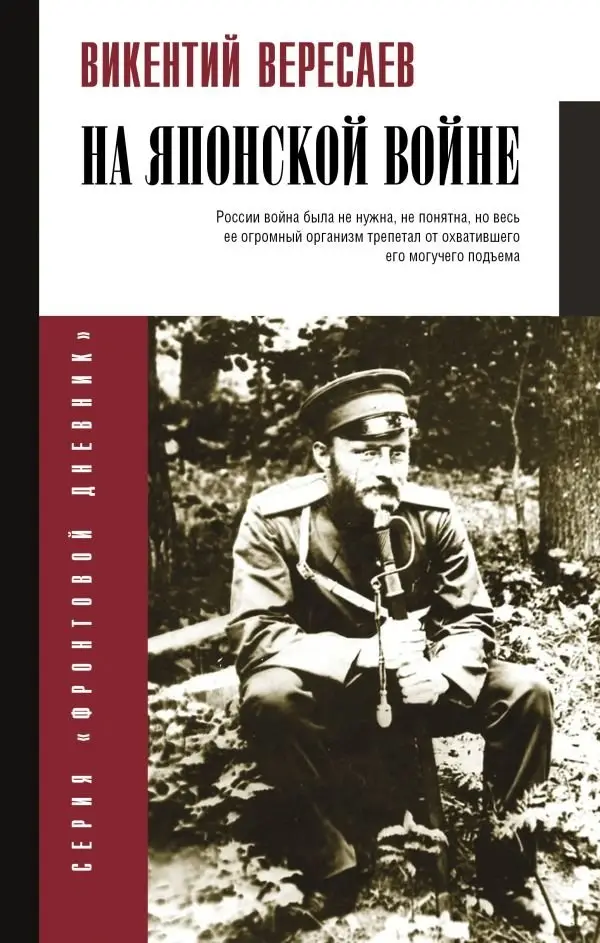
На японской войне | On the Japanese War
By Вересаев Викентий Викентиевич
На японской войне
Вересаев Викентий Викентиевич, 2024, Серия: Фронтовой дневник (новое оформление)
Обзор
Викентий Вересаев, известный прозаик и публицист, предлагает взгляд на события русско-японской войны. Будучи военным врачом, он лично участвовал в конфликте, что позволило ему создать яркие и наглядные записки. Его творчество отличается глубокой правдивостью в изображении общества и интересом к социально-нравственным вопросам. Максим Горький отмечал Вересаева как «трезвого, честного свидетеля» трагических страниц истории.
Кому подойдёт
- Читателям, интересующимся историей русско-японской войны.
- Любителям документальной прозы и мемуаров.
- Тем, кто ценит правдивое изображение исторических событий.
- Подросткам старше 12 лет.
Ключевые особенности
- Язык: русский
- Объем: 320 страниц
- Тип обложки: твердая обложка
- Издательство: АСТ
- Год издания: 2024
- ISBN: 9785171637293
On the Japanese War
Vikenty Veresaev, 2024, Series: Frontline Diary (new design)
Overview
Vikenty Veresaev, a notable prose writer and publicist, offers an account of the Russo-Japanese War. Serving as a military doctor, he participated directly in the conflict, enabling him to create vivid and clear notes. His work is characterized by its profound truthfulness in depicting society and its engagement with socio-moral questions. Maxim Gorky recognized Veresaev as a "sober, honest witness" to these tragic historical events.
Who it's for
- Readers interested in the history of the Russo-Japanese War.
- Fans of documentary prose and memoirs.
- Those who appreciate truthful historical portrayals.
- Readers aged 12 and up.
Key features
- Language: Russian
- Pages: 320
- Binding: Hardcover
- Publisher: AST
- Year: 2024
- ISBN: 9785171637293