 US: 2-4 weeks,
  Europe: 1-2 weeks, 🌍 Worldwide: 1-4 weeks ✈️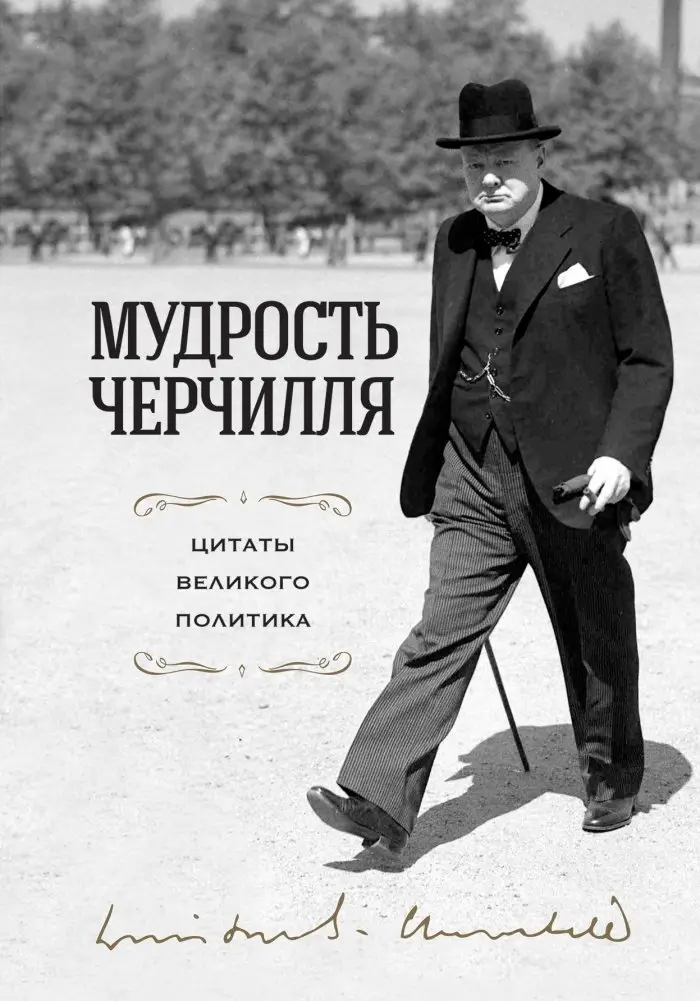
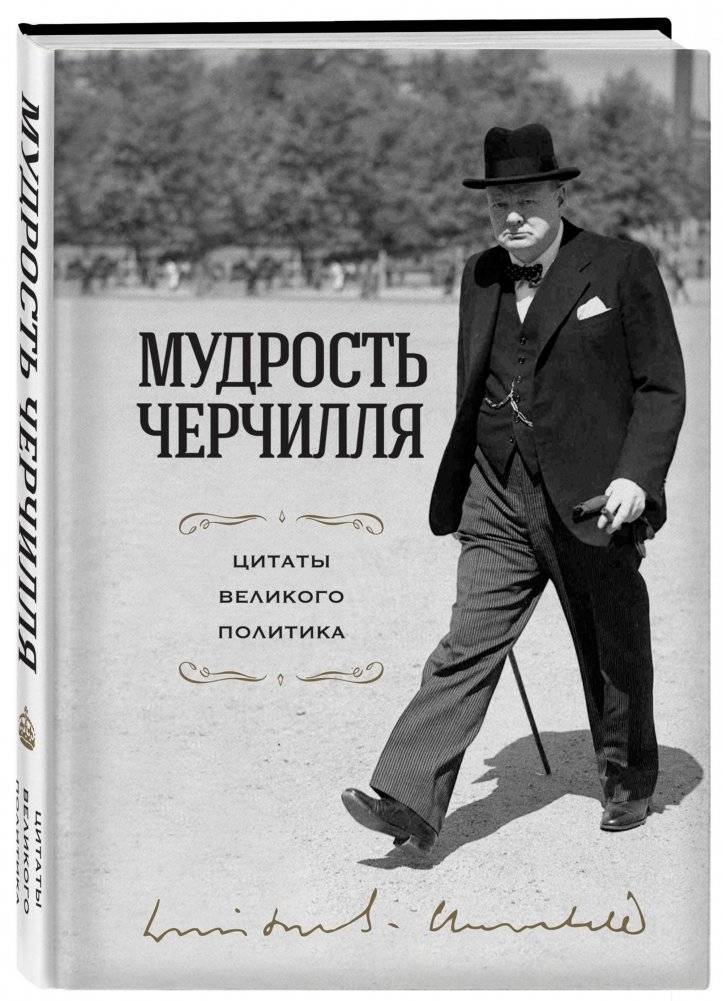
Мудрость Черчилля. Цитаты великого политика | Churchill's Wisdom: Quotes of a Great Statesman
By Черчилль Уинстон Спенсер
Мудрость Черчилля. Цитаты великого политика
Обзор
Уинстон Леонард Спенсер‑Черчилль, единственный британский премьер‑министр‑лауреат Нобелевской премии по литературе, родился в 1874 году и прошёл путь военного корреспондента, солдата, писателя, историка и политика. Опыт службы в отдалённых уголках империи дал ему навыки, которые позже помогли вести страну в часы величайших испытаний. Несмотря на постоянный дефект дикции, Черчилль стал выдающимся оратором, вдохновляя нацию мощью родного английского языка во время Второй мировой войны. В книге собраны его цитаты в алфавитном порядке, раскрывающие мыслительный мир великого лидера.
Кому подойдёт
- Любители истории и политических фигур
- Студенты, изучающие лидерство, риторику и историю XX века
- Поклонники произведений и речей Уинстона Черчилля
- Взрослые и старшие подростки (16+) в поисках вдохновляющих цитат
Ключевые особенности
- Автор: Черчилль Уинстон Спенсер
- Год издания: 2020, издательство «Эксмо»
- 480 страниц, твердый переплет
- Цитаты упорядочены в алфавитном порядке
- Возрастное ограничение 16+, подходит для взрослых и старших подростков
- Язык: русский, ISBN 9785041100490
Churchill's Wisdom: Quotes of a Great Statesman
Overview
Winston Leonard Spencer‑Churchill, the only British prime minister to win the Nobel Prize in Literature, was born in 1874 and served as a war correspondent, soldier, writer, historian and politician. His experiences across the far reaches of the British Empire forged the skills he later used to lead Britain through its greatest trials. Despite a lifelong speech defect, Churchill became a master orator, rallying the nation with the power of his native English during World War II. This volume presents his most memorable statements in alphabetical order, offering insight into the mind of a decisive leader.
Who it's for
- Readers interested in historical political figures
- Students of leadership, rhetoric, and 20th‑century history
- Fans of Winston Churchill’s writings and speeches
- Adults and mature teens (16+) seeking inspirational quotations
Key features
- Author: Winston Spencer Churchill
- Published 2020 by Eksmo
- 480 pages, hardcover binding
- Alphabetical collection of Churchill's quotations
- Target age 16+; suitable for adults and mature teens
- Russian language edition (ISBN 9785041100490)